



At the Thompson Center, ABA Brings Families Data-driven, Evidence-based Behavioral Care
While there are many evidence-based interventions available to families at the Thompson Center, it’s hard to find one that generates more patient laughter, and more empirical data, each day than ABA. ABA, or Applied Behavior Analysis, is the science of behavior. As the field has developed, there have been misconceptions about its processes; but at the Thompson Center, the intervention centers around data-driven positive reinforcement strategies tailored to a child’s innate strengths and goals. The Thompson Center’s ABA team shares their insights on what ABA involves, clarifies how the intervention is effective, and reflects on why they choose ABA for their career.
Addressing Behavioral Needs With Compassion
For children diagnosed with autism, ABA is one of the most recommended services because it is highly effective at addressing challenging behavioral needs while strengthening practical skills. “Our main goals are working on reducing challenging behaviors and increasing all of those positive skills,” says Devyn Stillwell, A BCBA at the Thompson Center. “Things like communication, their academic readiness skills, their social skills, their daily living skills — we combine it all together.”
At the Thompson Center, ABA sessions are directed by BCBAs, or Board Certified Behavior Analysts. A BCBA is a master’s-level clinician who specializes in understanding behavior and uses evidence-based strategies to teach meaningful skills and improve quality of life. “Our approach is individualized and collaborative. So, we don’t have a one-size-fits-all program,” says Emma Keicher, a BCBA at the Thompson Center. “We really work with families and individuals to identify what goals are going to be meaningful to them and let that guide our treatment.”
Each patient’s care plan is backed by huge amounts of individualized data. Throughout a session, behavior technicians take data on just about everything a patient is doing — from academic desk work to social interactions — using small clickers attached to their scrubs. Then, they graph the data points to create meaningful representations that inform future goals and decision-making.
Central to the approach of ABA at the Thompson Center is building on a child’s innate strengths and natural desire to learn, using positive reinforcement to nurture communication and collaboration. “Something that we really strive for is we want our kids to arrive and be happy to be here,” says Keicher. “So, we have a strong emphasis on assent by offering choices and creating positive learning environments.”
To support the BCBA team in providing highly individualized therapy, the Thompson Center also employs several Registered Behavior Technicians (RBTs), who are supervised by BCBAs throughout sessions. These trained specialists are often students in the Master of Science in Applied Behavior Analysis program at the University of Missouri. On a typical day, BCBAs and RBTs work together to collect data and update care plans, provide caregiver training to generalize outcomes outside the clinic, and collaborate with a variety of other providers at the Thompson Center, including speech-language pathologists, occupational therapists, psychiatrists, psychologists, and more.
Increasing Access to Care
The Thompson Center’s unique interdisciplinary model allows the ABA team to support patients during other services at the Thompson Center and fosters direct communication between different providers. For example, an RBT may accompany a patient to a medical appointment and provide behavior support so the patient can comfortably receive the care they need. Additionally, if it’s necessary to change a patient’s medication, the patient’s ABA team and medical team can have direct conversations and provide behavioral data to support that decision-making.
These collaborations increase access to care for families who otherwise may not have sought services due to limitations with challenging behaviors. Having several services under one roof reduces the burden of traveling to many locations for different appointments. But perhaps the most notable aspect of the Thompson Center’s structure is its compassionate and uplifting environment, reflecting the overwhelming care and dedication of its ABA team.
Making a Difference
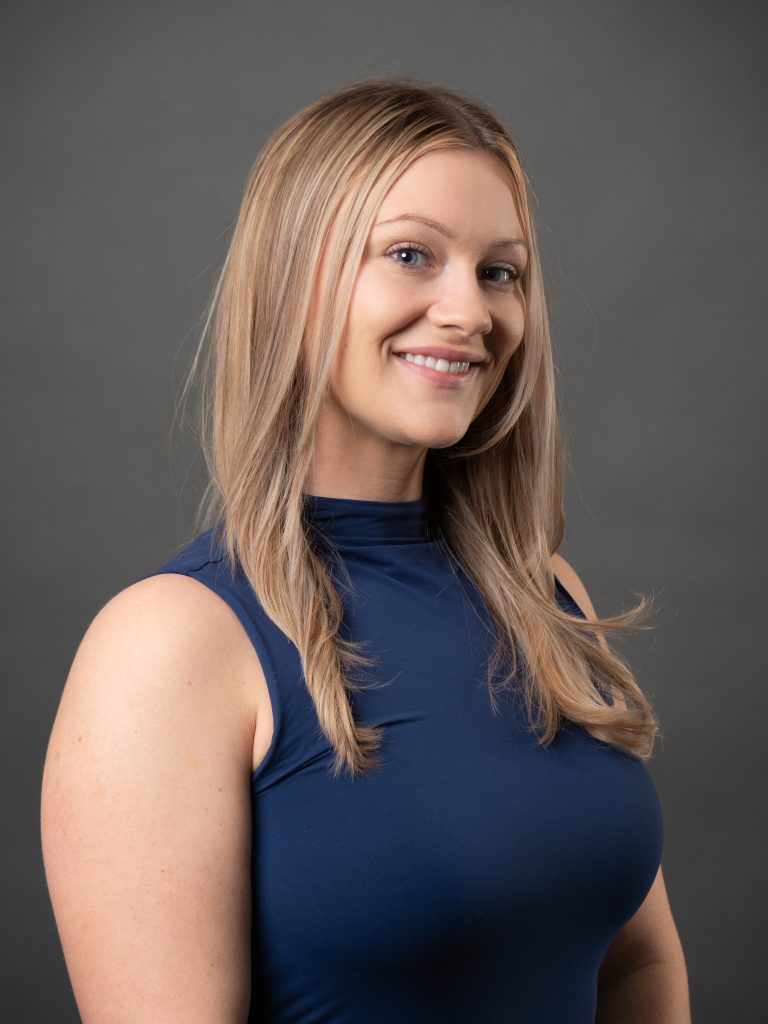
Every day brings different adventures for the ABA team. Mariah Anderson, a BCBA at the Thompson Center, shares the best part of her day: “I think one of the biggest reasons I love my job is when I see the kids first thing in the morning and they’re excited to see me.” She expressed that this encounter is especially meaningful when her patients may have been nervous at first, but now enjoy coming to see her. “It’s awesome to see those same clients come in here with a smile on their face and hug me. So, I think that’s definitely the best part of my day.”
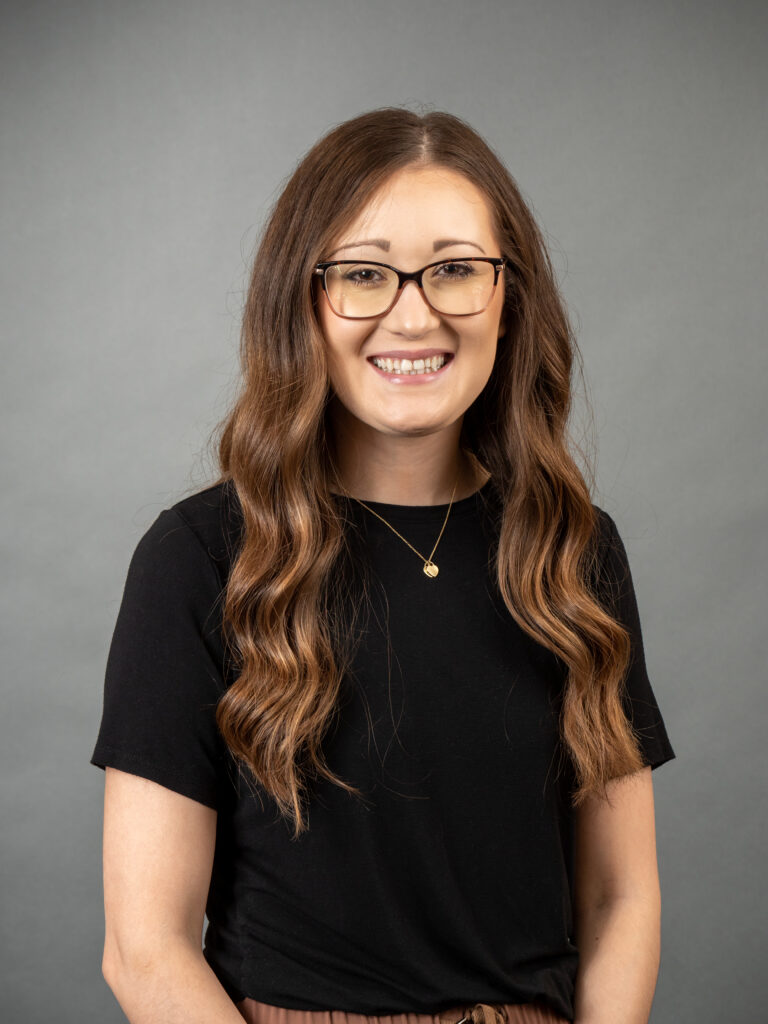
For Stillwell, the desire to become a BCBA started even before her master’s program, when she recognized the importance of providing evidence-based support for children and their families: “I have my undergraduate degree in special education. And my senior year, I was doing my student teaching and really saw that the need and the area that was lacking was behavior.” Now, she enjoys seeing the profound impact of individualized care on each family she serves: “I think for me, it is working with parents and working on things in the clinic that really impact their day-to-day life. Things like wearing a winter coat to some may seem so silly, but for a parent who has fought tooth and nail and heard such harsh comments…to those families, our services are huge and make the biggest difference. And those are some of my favorite goals and things to work on, because that just makes such a huge change for them.”
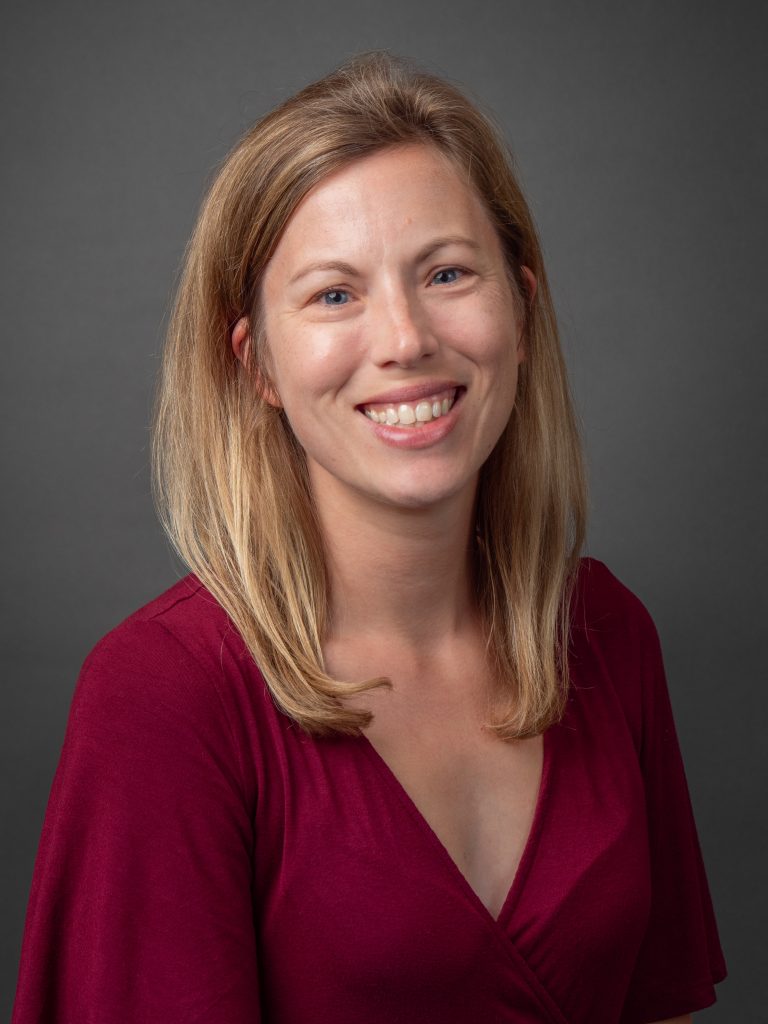
Keicher shares that her favorite memories involve every person she interacts with, from her youngest clients to the next generation of BCBAs. To her, the best part of her job is, “getting to watch people learn and grow. And that goes from the clients that we work with to their parents; being more comfortable, being able to teach their child different ways to communicate, or go to the bathroom, or try new foods — seeing that parent gain confidence. And then the same with our students: seeing them grow their skills as clinicians and learn every day in the clinic.”
For every family, finding the right support and intervention begins with asking questions. At the Thompson Center, providers across specialties have the expertise to answer those questions and help each family find evidence-based services that best fit their needs — from therapy to medication management. If you have questions about which services might be best for your family, please reach out to your Thompson Center care team at 573-884-6052.