Skip to content

We’re here to help.

Our compassionate and knowledgeable team is here to address your unique needs and provide the best possible care for your child’s neurodevelopmental journey.

Learn more

Teaching for a stronger community.

We are here to equip learners with the essentials skills needed to create positive change in the lives of people with developmental differences.

Learn more

Researching for a better tomorrow.

Our goal is to unlock discoveries that will revolutionize the lives of individuals with autism and other neurodevelopmental diagnoses.

Learn more

Researchers & Studies

Join A Study

We’re here to help.

Our compassionate and knowledgeable team is here to address your unique needs and provide the best possible care for your child’s neurodevelopmental journey.

Learn more

Teaching for a stronger community.

We are here to equip learners with the essentials skills needed to create positive change in the lives of people with developmental differences.

Learn more

Researching for a better tomorrow.

Our goal is to unlock discoveries that will revolutionize the lives of individuals with autism and other neurodevelopmental diagnoses.

Learn more

Thompson Center for Autism & Neurodevelopment

205 Portland Street, Columbia, MO 65211

573-884-6052

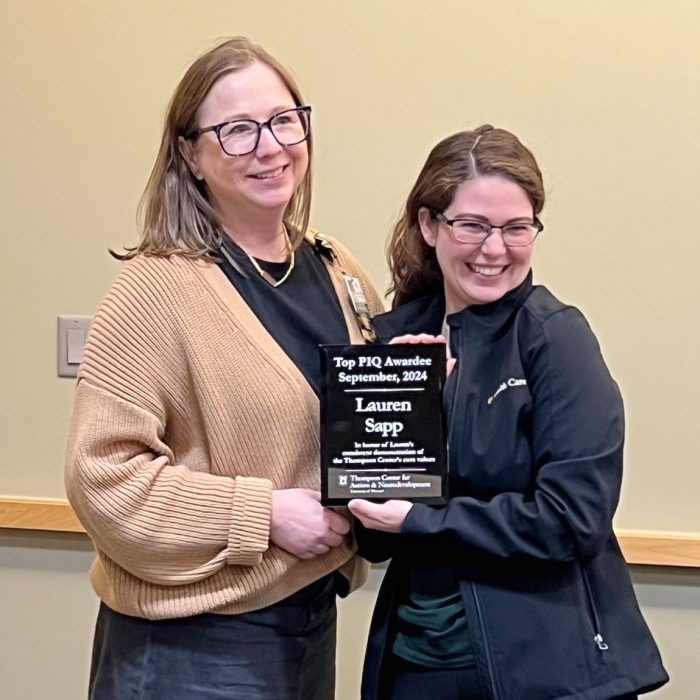
Lauren Sapp Named 2024 Thompson Center Top PIQ

Lauren Sapp (right) with her nominator, Thompson Center Health Professions Director Dr. Kerri Nowell

Congratulations to Lauren Sapp, the Thompson Center’s 2024 Top PIQ Award recipient! This annual award honors an employee who exemplifies the core values of professionalism, initiative, and quality in the workplace.

Lauren has worked at the Thompson Center since January 2021 and has recently been promoted to senior psychometrist. Lauren’s responsibilities include conducting psychological and neuropsychological testing for patient evaluations, training others on testing protocols, supervising graduate students, and managing testing supplies for the health professions division. Additionally, she is working with multiple research projects within the Thompson Center. 

Lauren’s passion for our mission began when she was a registered behavior technician in Chicago and she worked with a 9-year-old boy who was diagnosed with autism and was nonverbal. After spending time with him and seeing all of the amazing skills he had, she fell in love with working with this population.

Here are some words from Lauren’s nominator:

  • Lauren is an extraordinary team member and embodies our PIQ values to a consistently high degree.
  • Lauren consistently goes above and beyond to ensure high quality psychometry services are performed including planning ahead with strategic foresight and proactive problem solving.
  • Lauren’s professional attitude with her patients is always optimistic, exudes healthy curiosity, and creates a testing environment and experience for her patients to do their absolute best.
  • Lauren is extremely thorough in teaching and training others.
  • Her interactions with colleagues are consistently positive and she is skilled at asking questions and providing feedback in a way that fosters growth in others.
  • Lauren has a personal passion for excellence, is always improving and quality checking herself, and shares her wisdom with others.
  • Lauren is thoughtful about the needs of her teammates and ensures that clinics run smoothly and her teammates feel supported.

In sum, Lauren is an absolutely invaluable member of the Health Professions team and the Thompson Center. Her professionalism, initiative, and quality work impacts everyone in the center, whether they realize it or not. She truly is a top PIQ!
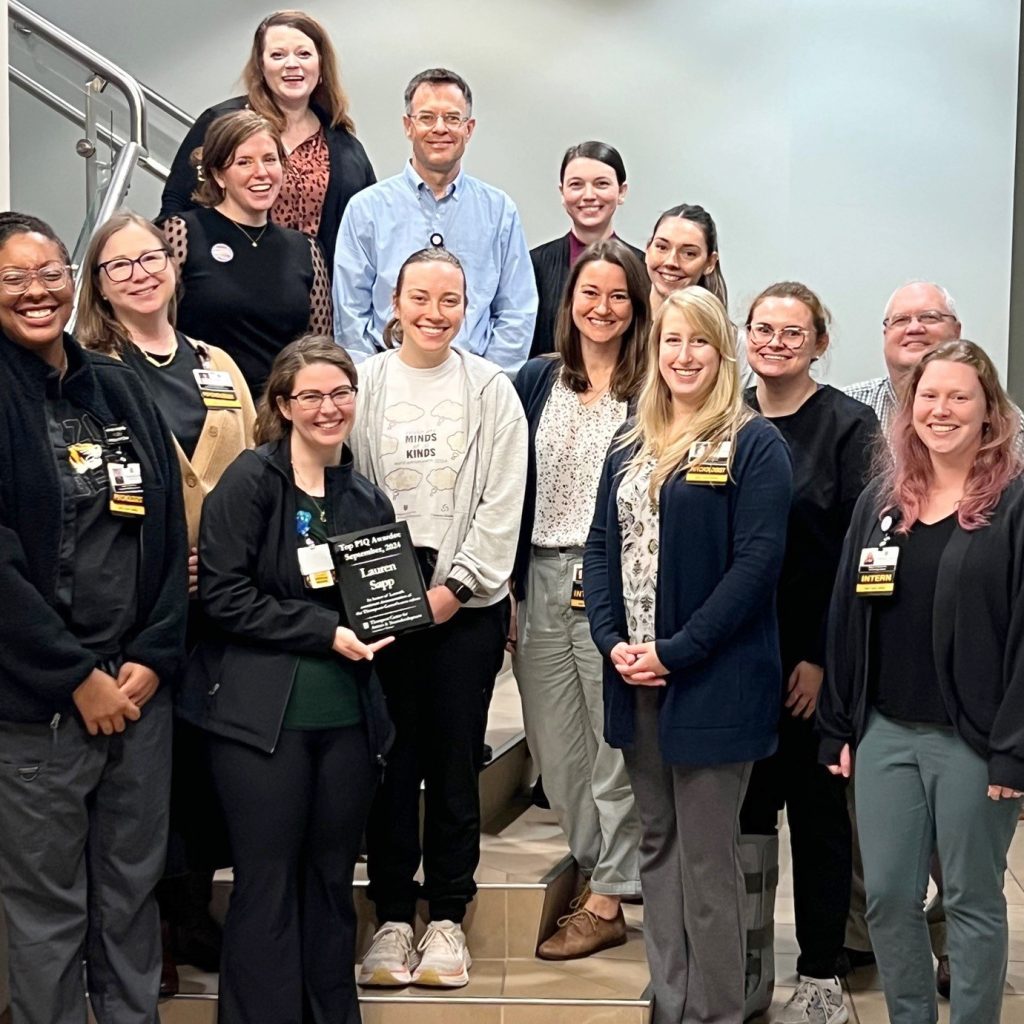
Lauren holding her Top PIQ award alongside other members of the Thompson Center Health Professions team
New Insights from Infant Cry Study

This article is from the fall 2024 issue of DISCOVERY, the Thompson Center’s research newsletter.

The Early Years Study is a project that analyzes audio recordings of infant cries to discover new ways to identify early signs of autism and developmental disabilities. The Thompson Center joined this study in late 2022 and so far has collected over 1,200 unique infant cry recordings.

The study has been analyzing mothers’ perceptions of their infant’s cries in real-time. Mothers will rate their child’s cries on a four point scale of typicality or distress. The study has found that different characteristics of the mother can affect how cries are perceived. With the current data collected, mothers who presented with higher levels of subclinical autism traits rated their infants’ cries as more typical. For example, a mother from this category could have rigid tendencies and have sensory differences, and they would perceive their infant’s cries as more typical. Mothers of older children with autism rated their infant’s cries as less typical and first-time mothers rated their child’s cry as more distressing.

What are subclinical autism traits?

When evaluating for an autism diagnosis, many traits are considered: difficulty with verbal and nonverbal communication, rigid behavior, aloofness, special interests, and more. It’s the combination of these characteristics that make up autism, and any of these traits can be present in someone without autism. After all, autistic traits are human traits!

When these characteristics are present in a person that does not have autism, they are considered subclinical autism traits.

This study has also gathered data about the connection of subclinical autism traits between each child’s parents. Researchers analyzed the parents’ scores on an evaluation used to assess subclinical autism traits. These comparisons found that autism-related characteristics identified in one parent are likely to be seen in the other parent. This initial data suggests that individuals may subconsciously seek out partners with similar traits as them, which may have contributed to the rise in autism diagnoses over the past 20 years. A better understanding of this connection of subclinical autism traits in parents could lead to a more comprehensive autism assessment in their children by being able to look at the parent’s traits as a potential indicator.

A unique aspect of this study is that the data can be collected remotely. Mothers submit their child’s cries through an app and rate the cries. As the children are followed into their third year of life, mothers respond to periodic online surveys about their children’s development and behaviors. The online surveys are parent-report forms often used by pediatricians during well-child visits. Initial analysis of the data collected from these online surveys of more than 300 infants indicate that the temperament of the infant reported by the mother at nine months can predict the social communication and sensory regulatory behaviors related to autism that is reported at 12 months.

This study aims to find practical tools that can be used by pediatricians for early autism detection. Findings from this study could allow for earlier and quicker diagnoses, giving parents and families access to services sooner.

Trainee Spotlight: Braden Hayse

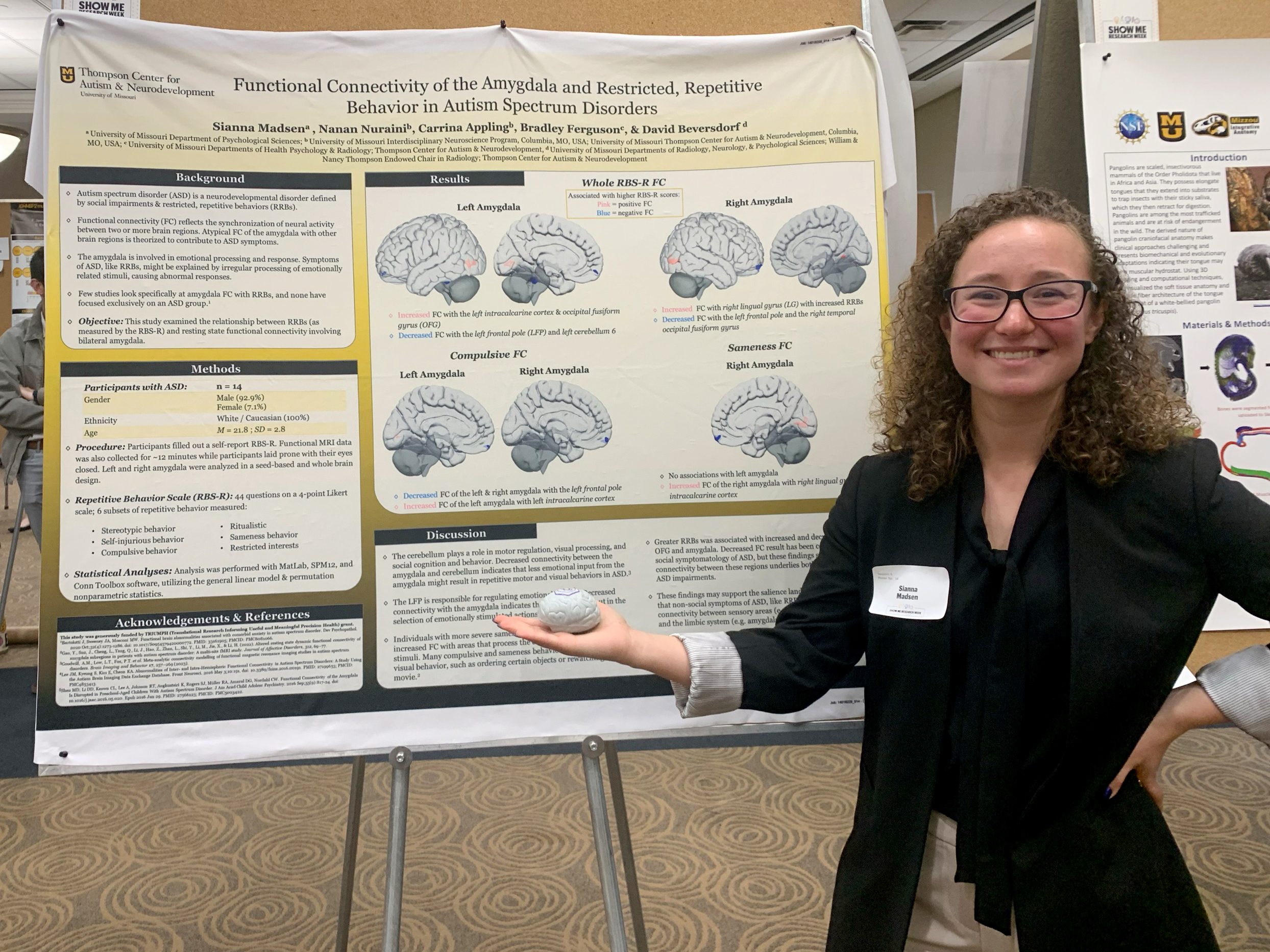
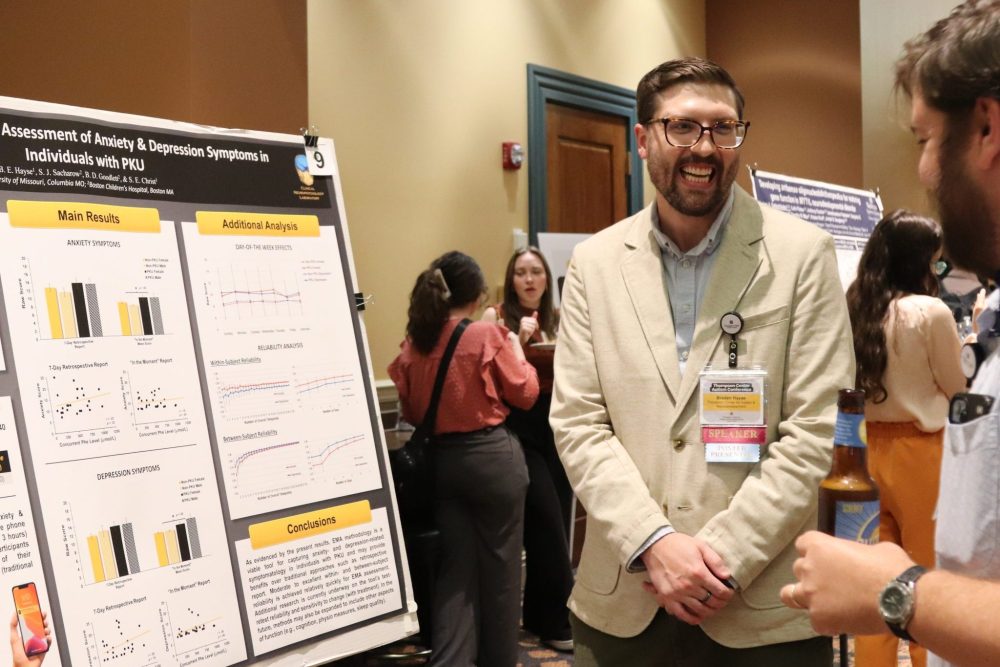
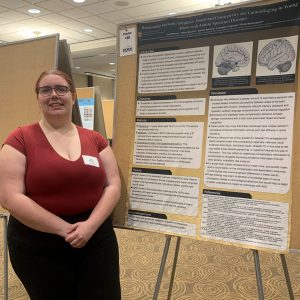
Photo: Braden Hayse at 2024 Student, Trainee, and Early Professional Poster Session (STEPP) at the Thompson Center Autism Conference. Hayse’s poster “Ecological Momentary Assessment of Anxiety and Depression Symptoms in Individuals with Phenylketonuria” received a first-place prize.

This article is from the fall 2024 issue of DISCOVERY, the Thompson Center’s research newsletter.

Braden Hayse joined the Thompson Center in 2018 as a psychometrist and a graduate research assistant and practicum student in 2020. Braden’s research area of interest is primarily surrounding sleep in individuals with neurodevelopmental disorders or rare diseases. He is particularly interested in mechanisms of common sleep difficulties, the impact of sleep problems on factors related to quality of life, and usefulness of sleep treatments in different populations.

Tell us about your educational background.

My undergraduate degree was in psychology. After receiving a master’s degree in cognition and neuroscience, I started a doctoral program in clinical psychology at the University of Missouri and am currently in my fifth year.

What brought you to the Thompson Center?

I originally wanted more clinical experience administering assessments for neuropsychological and psychodiagnostic evaluations after graduating from my master’s program. Luckily, the Thompson Center hired me as a psychometrist, and I have continuously kept coming back for either research projects or practicum training since beginning my doctoral program.

How did you first get involved with autism research?

The Thompson Center gave me my formal introduction to research with autism while still a psychometrist by providing opportunities to work on several studies with the Research Core.

What’s your favorite thing about working in this field?

My favorite thing about working in this field is the people. That includes the individuals and families I have the pleasure of meeting while providing care in different settings, as well as the colleagues and mentors who consistently amaze me.

What study have you been most excited to be involved in?

The most impactful study I have been involved in thus far has been the RECHArge sleep clinical trial. My role as a therapist on the project was exceptionally fulfilling as a clinician by allowing me to individually connect with families and observe the numerous benefits of sleep intervention. At the same time, the information I gathered as a researcher was both personally beneficial and sparked many of the questions I continue to explore as my professional career develops.

What are your plans for after your time as a trainee?

After my time as a practicum student at the Thompson Center, my immediate plan is to, hopefully, be accepted to an internship program followed by a postdoctoral fellowship position with opportunities to gain more experience in both neuropsychological assessments and autism diagnostic evaluations.

What vision do you have for your career?

Currently, I envision myself performing both neuropsychological and autism diagnostic evaluations. I also plan to conduct research in some capacity, most likely focused on better understanding sleep difficulties and the benefits of sleep interventions.

How do you think your time at the Thompson Center will influence the direction of your career?

My time at the Thompson Center has influenced most of my career direction choices since the first day I began working here and will probably continue to do so. It has given me opportunities to see providers conducting multiple types of clinical evaluations of professional interest, to be involved in various research activities that have sparked my curiosity, and to obtain invaluable guidance from many gracious mentors as my career path has taken shape.

19th Annual Thompson Center Autism Conference

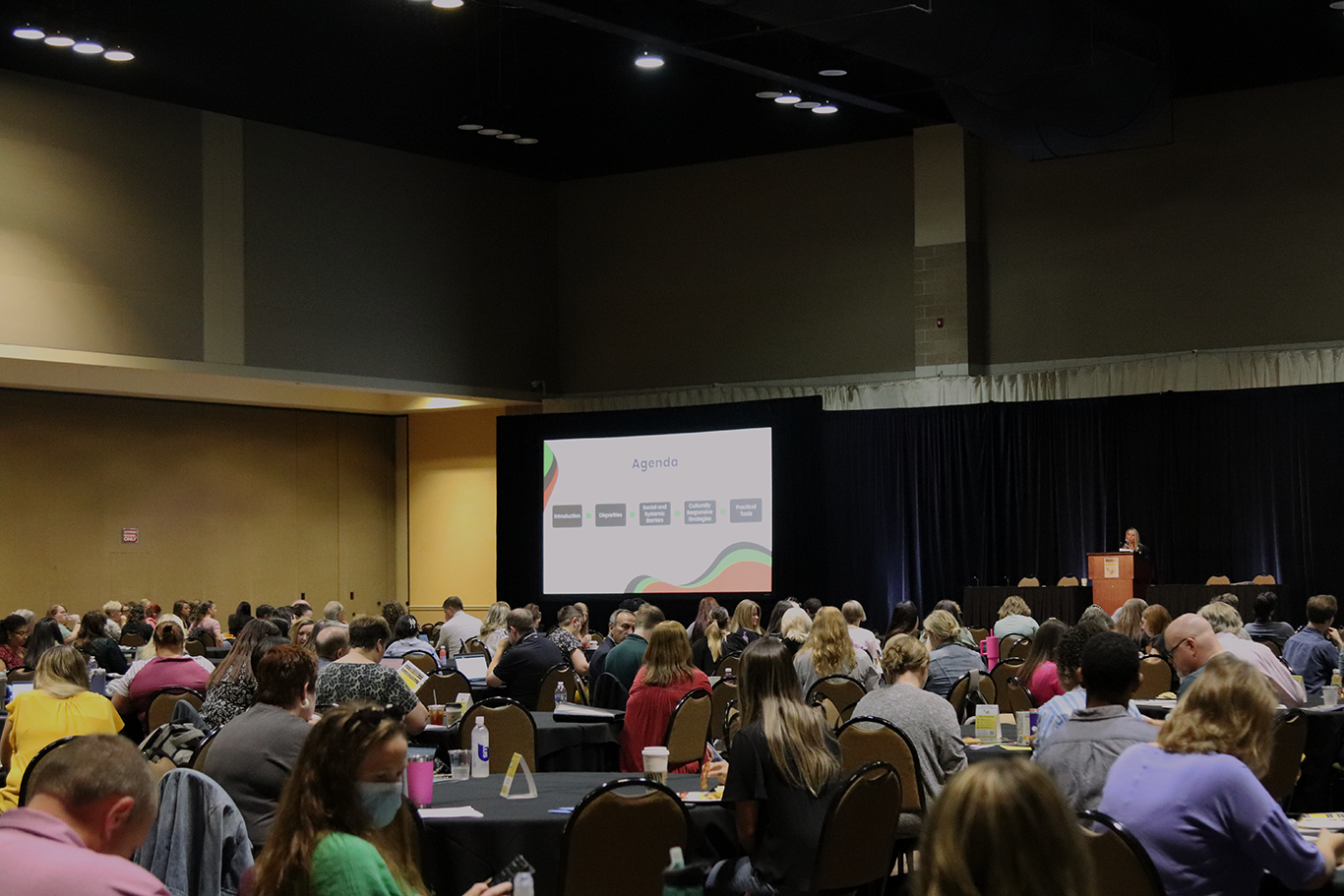
The Thompson Center hosted the 19th Annual Thompson Center Autism Conference on September 12 and 13, following a parent conference on September 11 in St. Charles, Missouri. 

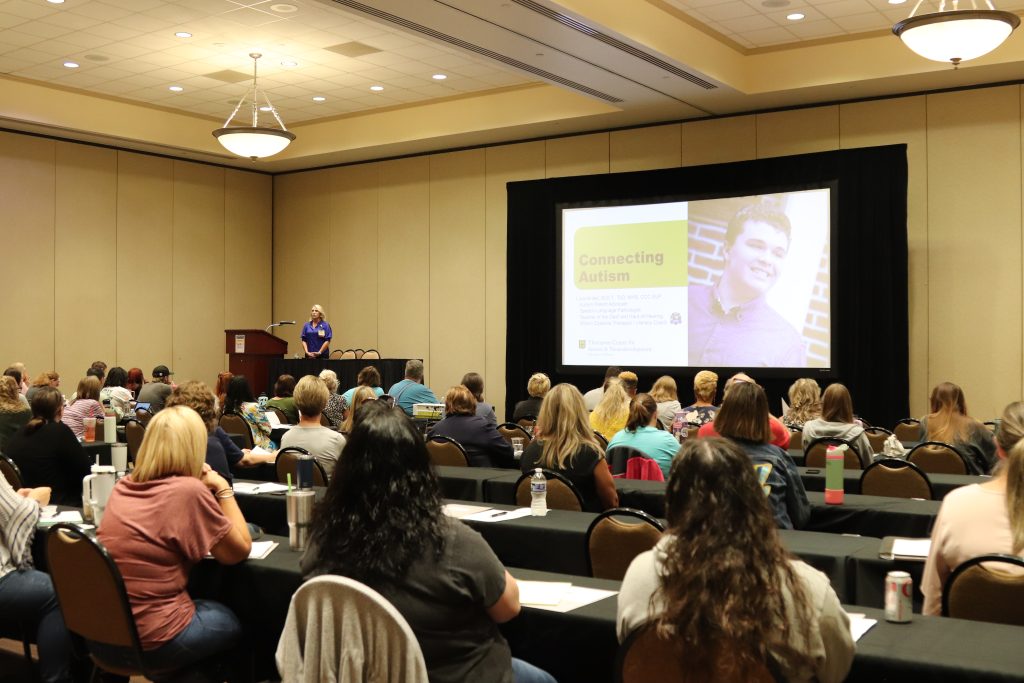
The parent conference kicked off with a keynote presentation from Lora Hinkel, focusing on the importance of finding ways to connect goals and interventions, and ways to connect with your child and others with similar shared experiences. Breakout sessions included topics on supporting advocacy and building relationships with a medical team, building up independence and advocacy in autistic individuals, and putting the FUN in functional communication.

Keynote speaker, Lora Hinkel, presenting about the importance of finding ways to connect goals and interventions, and ways to connect with your child and others with shared experiences

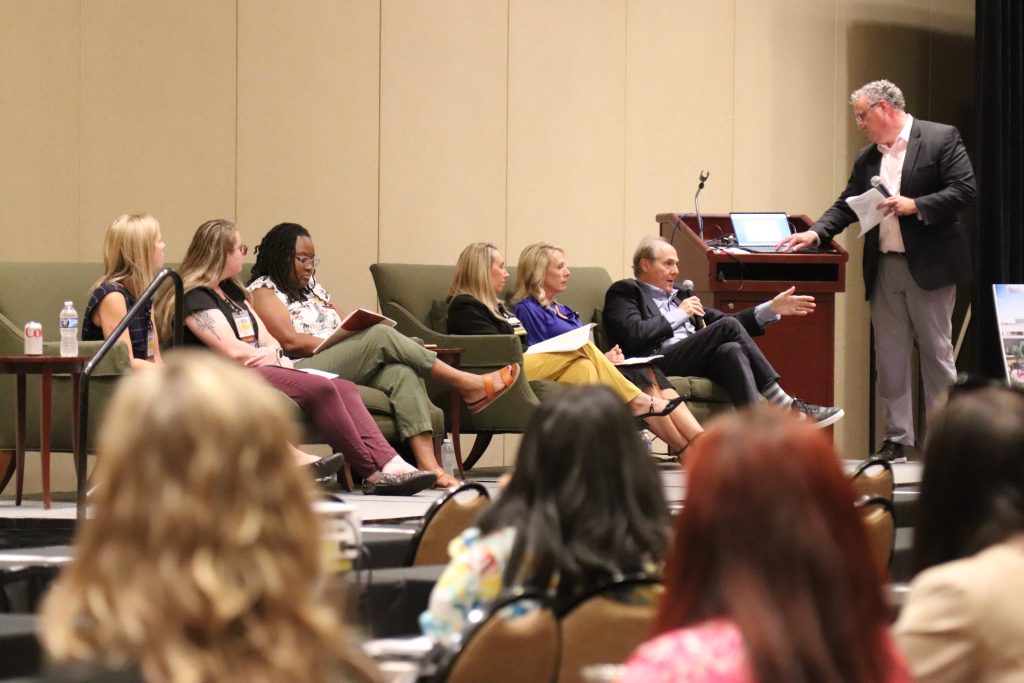
After a successful parent conference, the Ask the Experts panel took place that evening featuring a panel of speakers representing a variety of fields and backgrounds, including an autistic individual and a parent of a child with autism. This panel gave parents and professionals the opportunity to ask questions to autism experts. 

Fron right to left: Myles Hinkel, Dr. John Mantovani, Lora Hinkel, Dr. Connie Brooks, Jennifer DeLaporte, Molly Love, and Emma Keicher participating in the Ask the Experts panel.

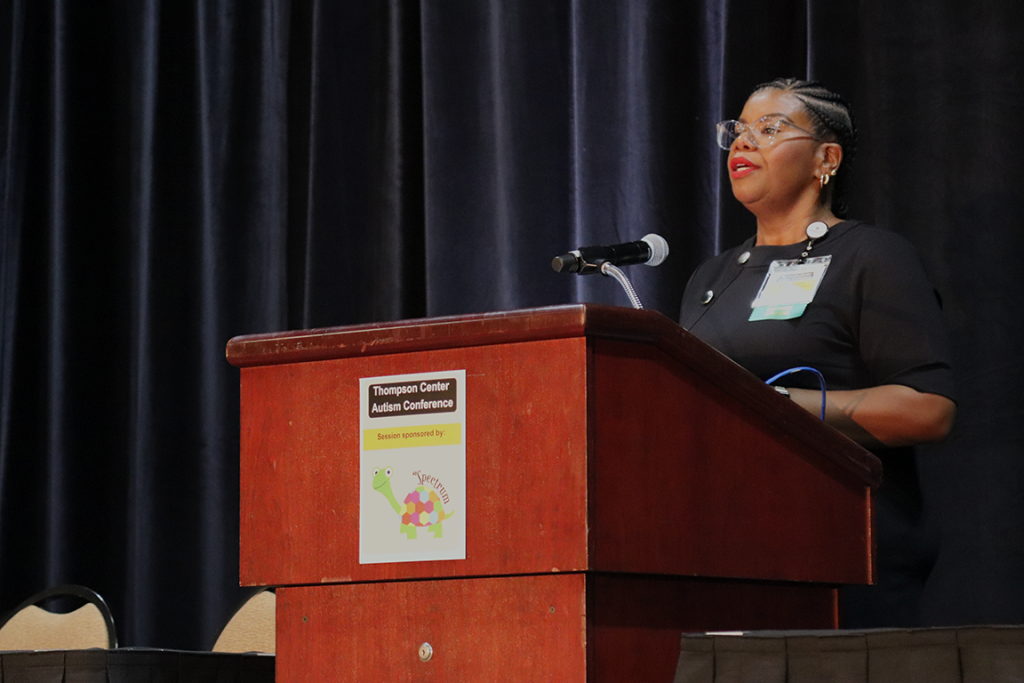
The following morning, the autism conference began with a keynote presentation by Dr. Jamie Pearson, who discussed the importance of supporting black autistic children and their families through interdisciplinary partnerships. After the conclusion of the first day of the conference, the students, trainees, and new professionals showcased their research on autism and other neurodevelopmental disorders at the annual poster session.

Keynote speaker, Dr. Jamie Pearson, giving her presentation about the importance of supporting black autistic children and families through interdisciplinary partnerships.

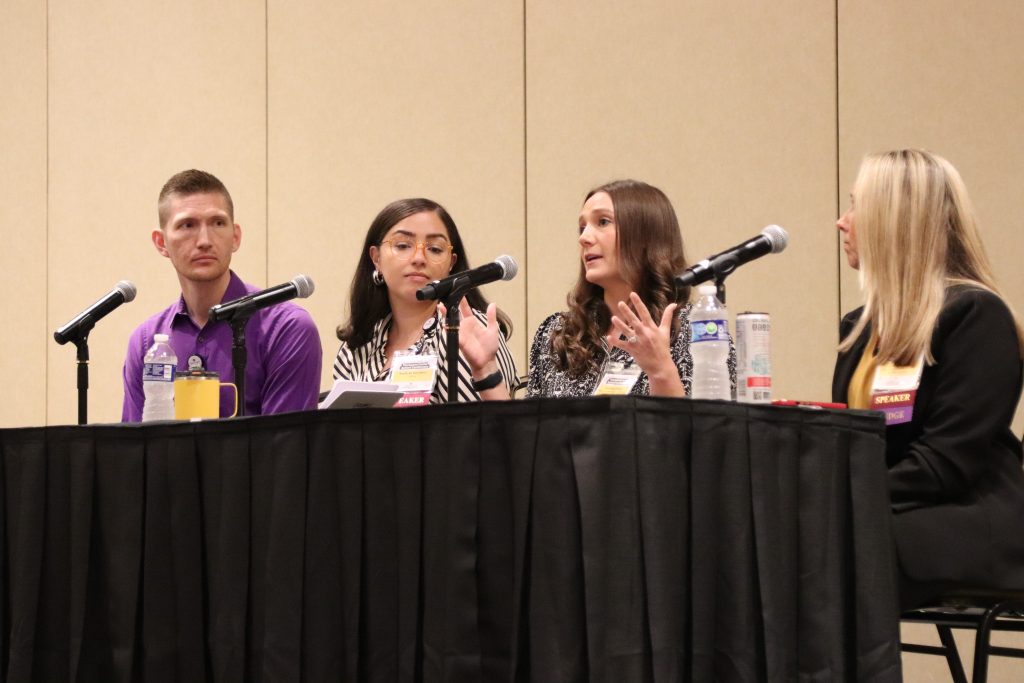
From left to right: Dr. Darren Olsen, Dr. Sarah de Marchena, Dr. Kathleen Edmier, and Dr. Connie Brooks participating on a panel about navigating diverse challenges in autism support.

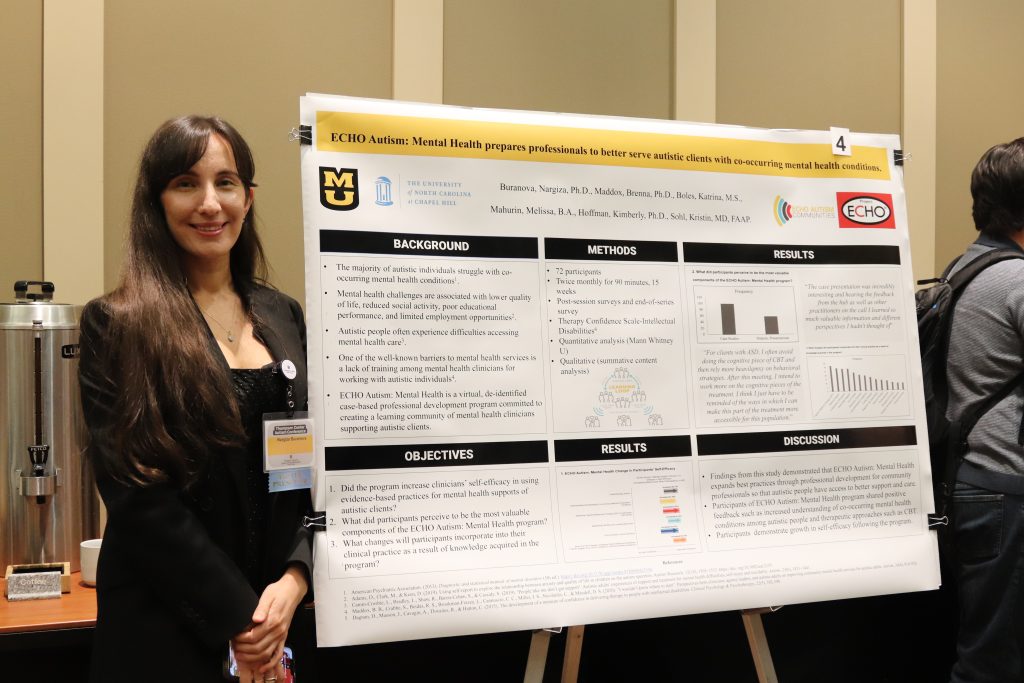
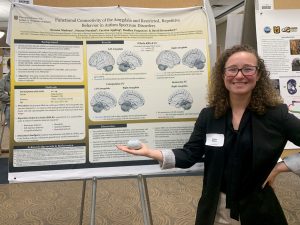
Dr. Nargiza Buranova in front of her poster at the annual poster session for students, trainees, and new professionals.

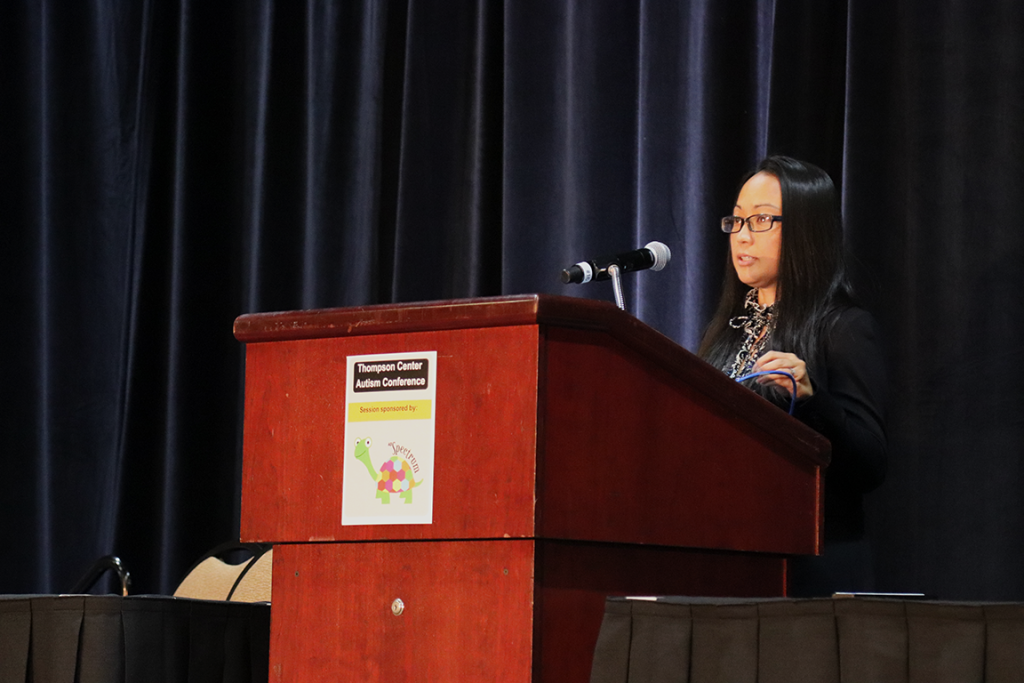
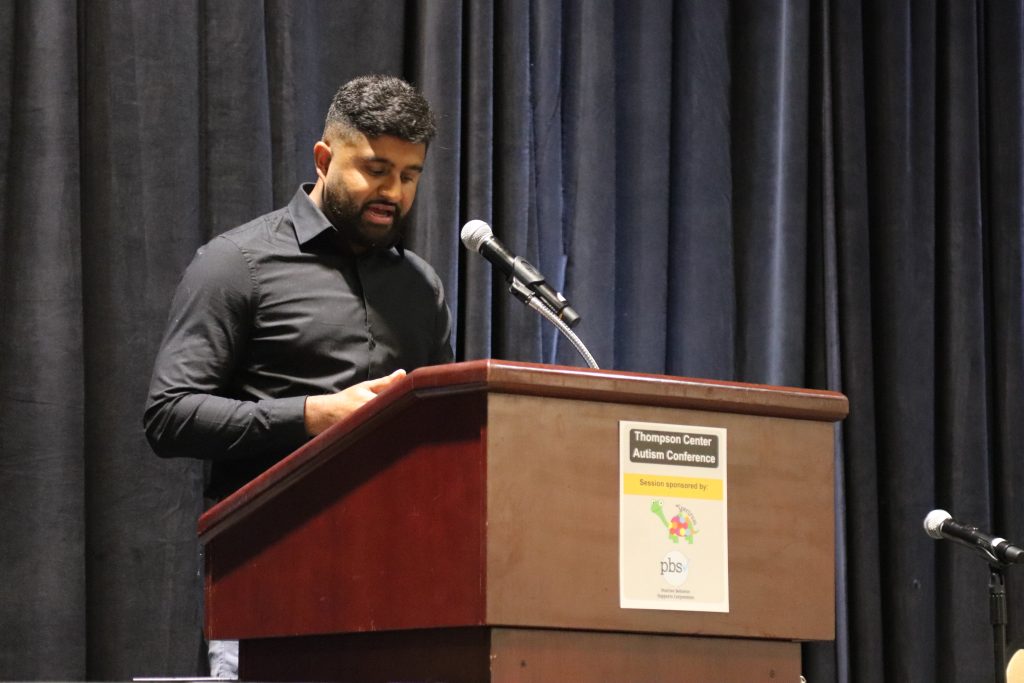
On the final day of the autism conference, Dr. Vanessa Bal gave a keynote presentation on the diagnosis of autism in adulthood. A favorite breakout session this year was Dr. Adithyan Rajaraman’s presentation on advocating for trauma-informed care and incorporating it into behavioral services for individuals who exhibit dangerous behaviors. 

Keynote Speaker, Dr. Vanessa Bal, presenting on the diagnosis of autism in Adulthood.

Dr. Adithyan Rajaraman presenting about advocating for trauma-informed care and incorporating it into behavioral services for individuals who exhibit dangerous behaviors.

The conference aims to educate and provide support for professionals who work with individuals with autism spectrum disorders. Register for the 20th Annual Thompson Center Autism Conference in 2025 here.

A huge thank you to our title sponsor, AB Spectrum, for making this year’s event possible!

New Building Topping Out Ceremony

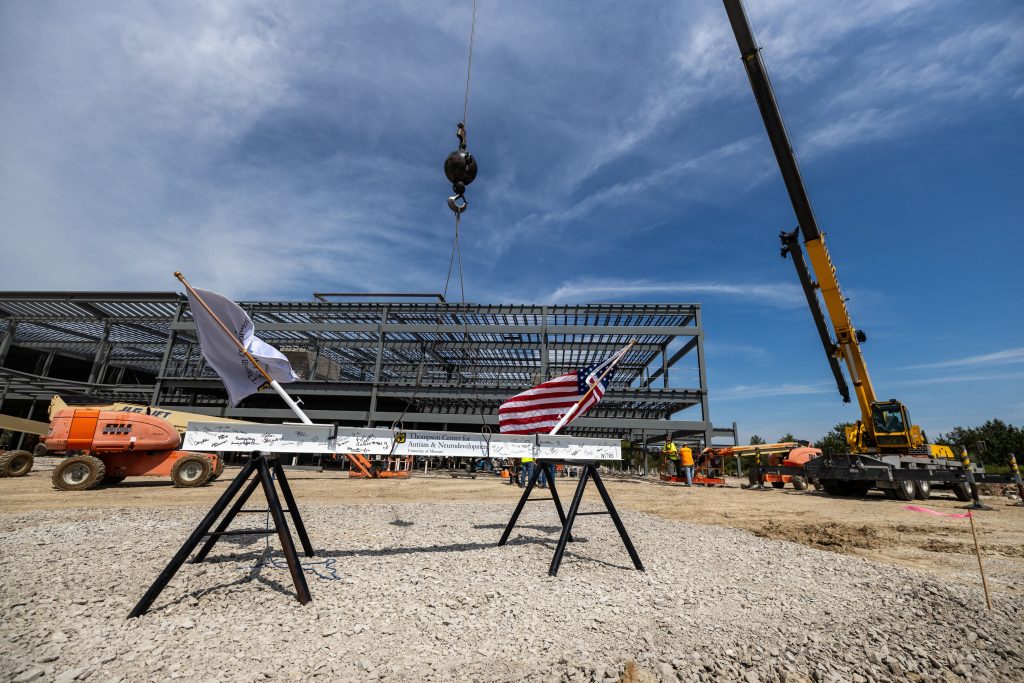
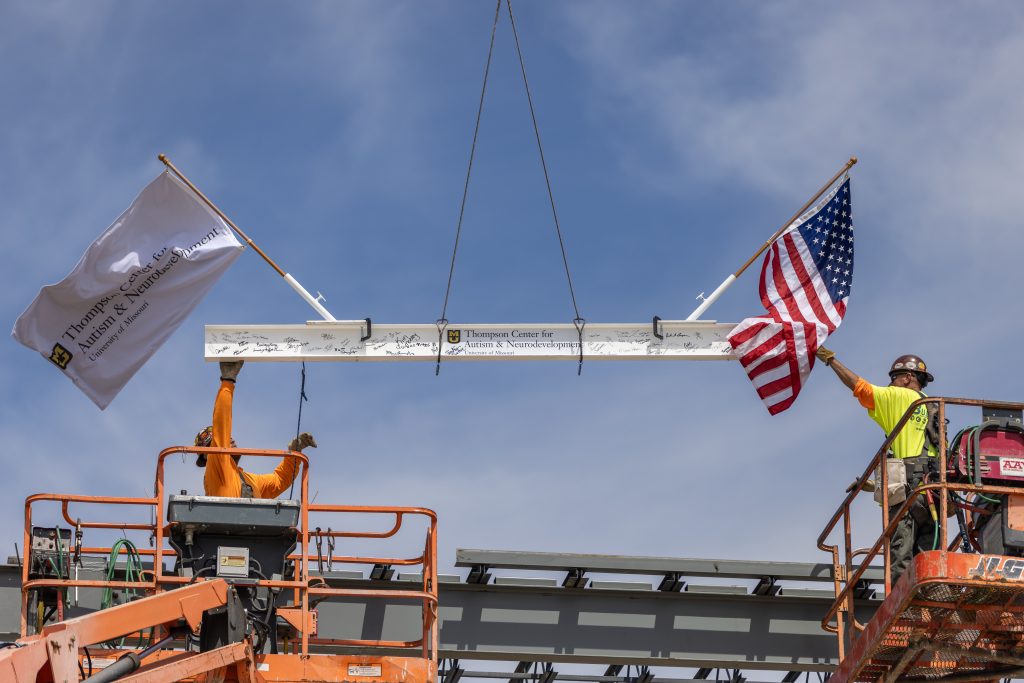
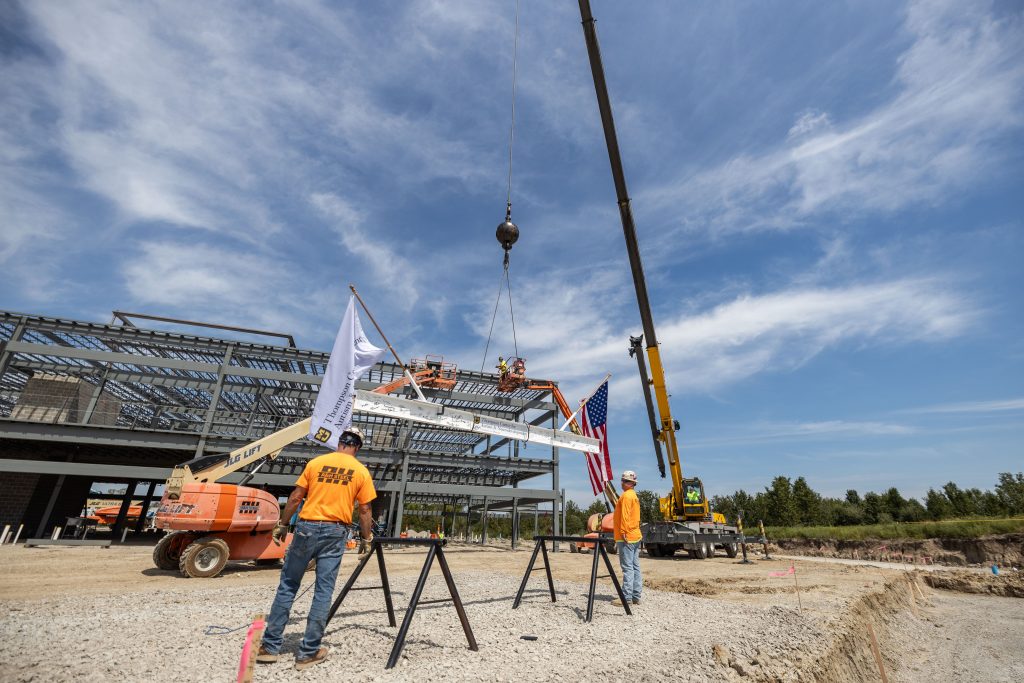
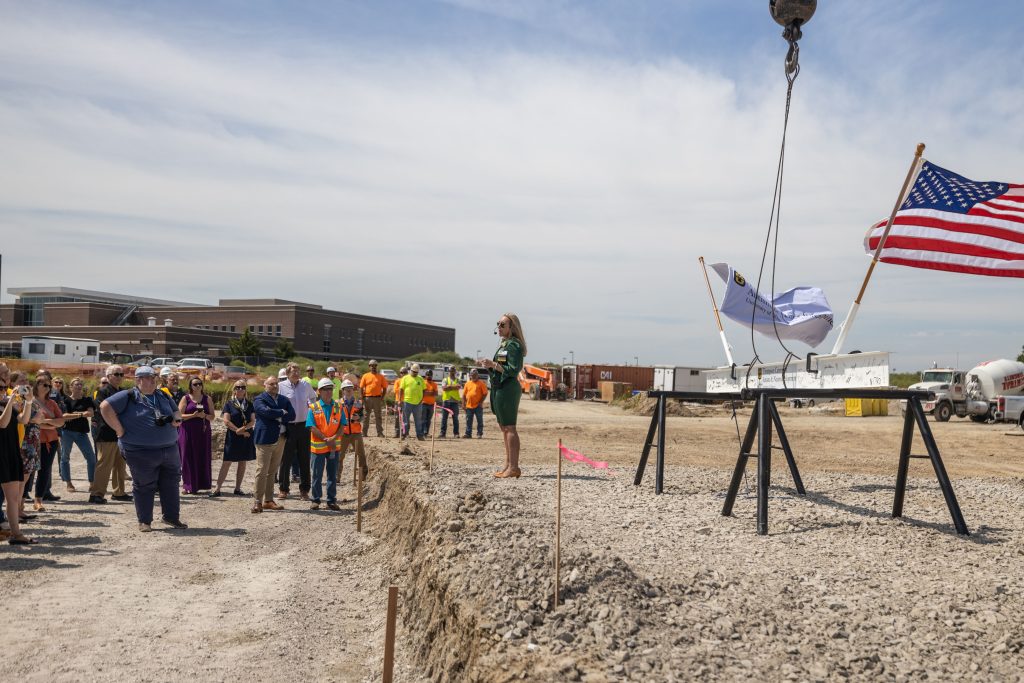
On August 23, the Thompson Center celebrated the topping out of their new building at the South Providence Medical Park. This ceremony signifies the placement of the last structural beam into the building. Click here to see remarks from Dr. Connie Brooks and the raising of the beam!

This new building for the Thompson Center will allow for an expansion of services that are provided. Some of the features that will be at this new building include:

  • Adaptive and inclusive playground
  • Family waiting room
  • Therapy gym 
  • Group therapy rooms 
  • Life skills room and training cafe
  • Discovery and research center
  • Easy-to-navigate entrance and drop-off area

This new building will also allow for the addition of an intensive day treatment program, which will be a first of its kind in Missouri. This program will support patients with more intensive therapy five days a week and provide multidisciplinary care and overall family support for patients.

Thompson Center operations are set to move to the new building in early 2026.

Learn more about how Thompson Center clinical services, research, and training will be expanded and how you can provide support here.

2024 TIPS for Kids Carnival

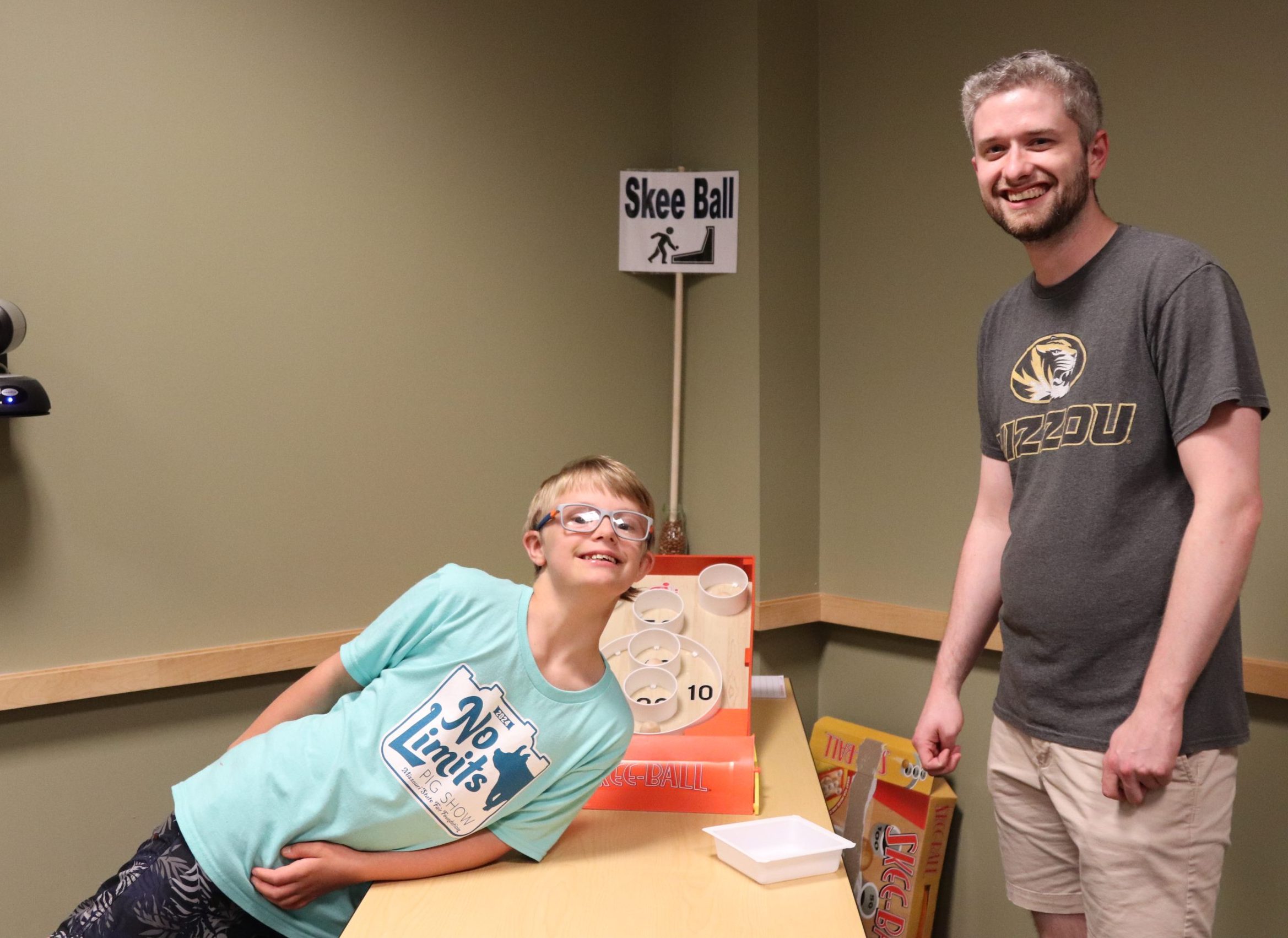
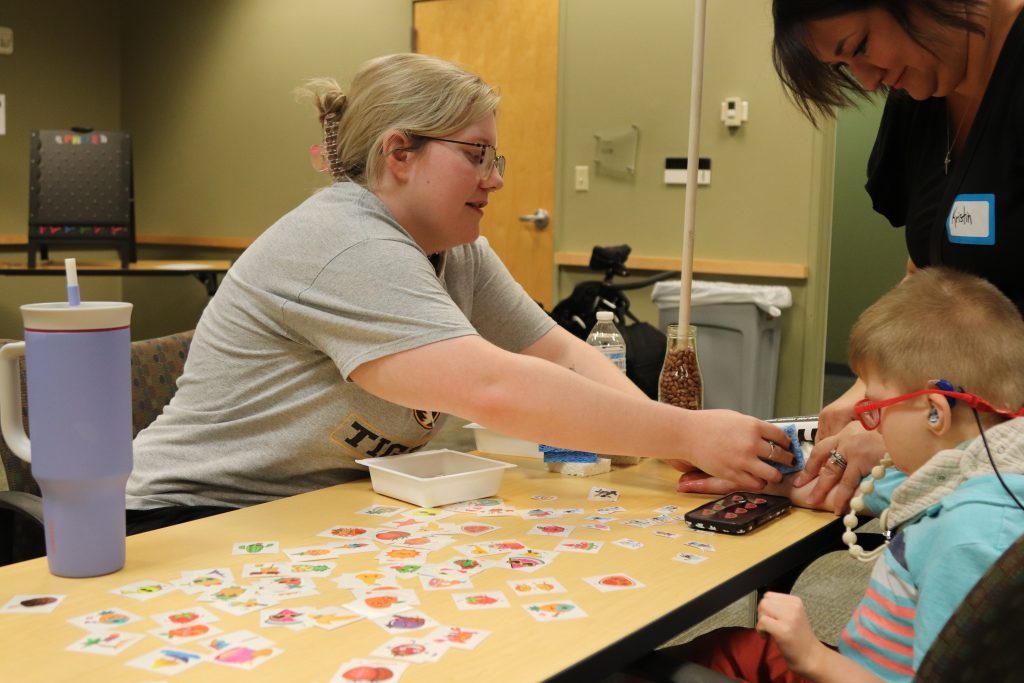
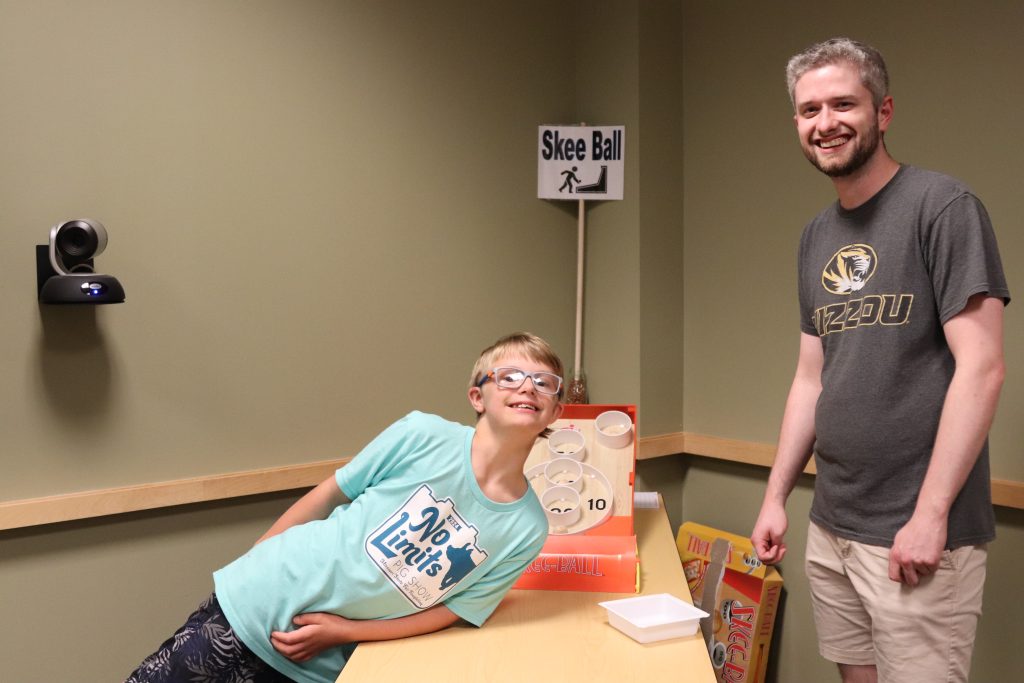
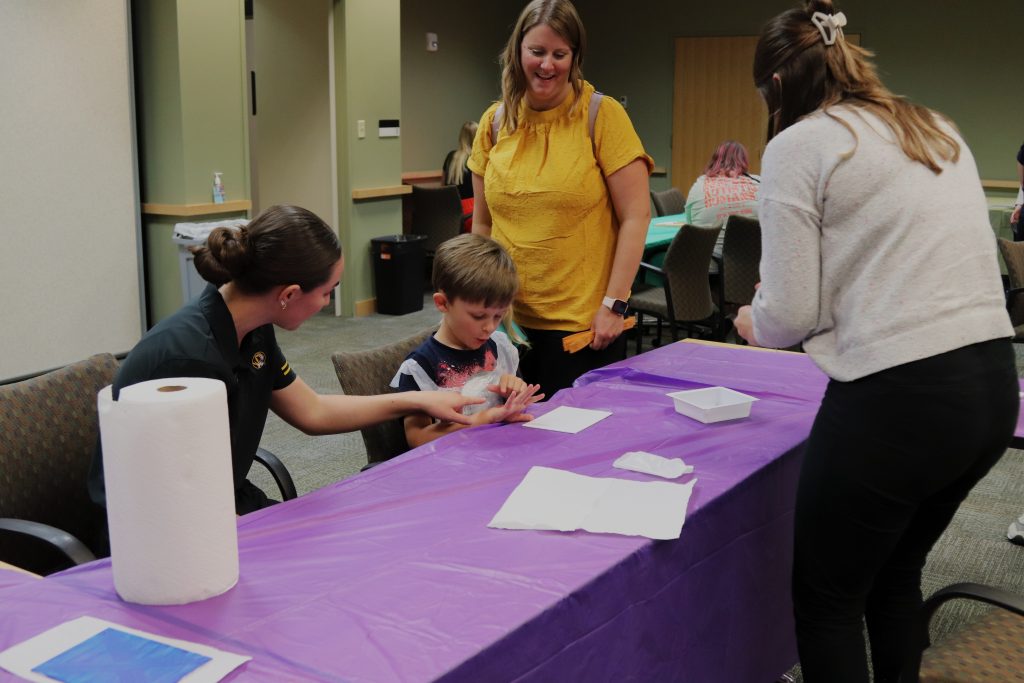
On August 29, the Thompson Center hosted the second annual TIPS for Kids Carnival! The event gave kids and families participating in the TIPS for Kids family shadowing program an opportunity to meet with the 2024-2025 cohort of TIPS trainees. The carnival featured games and activities like a dart board, can toss, temporary tattoo station, skee-ball, and more!

TIPS for Kids Program Director Dr. Rose Kaemmerer said, “the TIPS carnival was such a fun way to kick off our family shadowing program and give our trainees and families an opportunity to get to know one another in a fun and laid-back setting. Our families, trainees, and faculty all had a great time, and we hope to keep the carnival as part of our program for years to come.” 

Training in Interdisciplinary Partnerships and Services (TIPS) for Kids is the Leadership Education in Neurodevelopmental and Related Disabilities (LEND) training program in Missouri. The TIPS for Kids training consists of 300 hours of didactic lectures by industry experts for the field, interdisciplinary clinical activities, family shadowing, observations of policy meetings or advocacy events, and observations of clinical team meetings. As part of the program, the trainees shadow families to learn more about their experiences and perspectives. 

This image has an empty alt attribute; its file name is IMG_3664-1024x683.jpg

“The family shadowing program has been a long-standing and integral part of the TIPS for Kids training program, and we are incredibly fortunate to have so many families welcome our trainees into their homes,” said Dr. Kaemmerer. “Every fall semester, TIPS trainees are paired with a family in the community to showcase what life is like for children with disabilities and their families outside of the clinic setting. Shadowing these families is invaluable in helping trainees understand families’ perspectives and their experiences navigating various systems.”

The goals of this program are to build leaders in various healthcare professions that serve children with autism or other special healthcare needs and to provide interdisciplinary evaluation and assessment services to children with special healthcare needs.

New Provider Spotlight: Madison Imler, Behavior Analyst

You may already know Madison Imler from her time as a registered behavior technician (RBT) or graduate trainee. Now, Madison has joined our Applied Behavioral Intervention Services (ABIS) team as our newest behavior analyst! Learn more about Madison in this Q&A.

What got you interested in working with autism and neurodevelopment?

I have always found meaning in supporting parents and families in navigating behavioral supports. When I had an undergraduate class that strengthened my understanding of behavior analysis and the impact that it can have on autism and neurodevelopment, I knew that was where I was meant to be.

What is your educational background?

I went to Missouri State University and received a bachelor of science in psychology with a minor in childhood and family development and secondary school counseling. Following this I pursued a master of science degree at the University of Missouri in applied behavior analysis where I was first introduced to the amazing team at the Thompson Center.

Where did you work before joining the Thompson Center team?

Before joining the Thompson Center team I worked as a substitute teacher. I started my journey at the Thompson Center as a student and registered behavior technician four years ago.

What are you most looking forward to about your new role at the Thompson Center?

I am most looking forward to collaborating with the amazing practitioners that the Thompson Center has to provide families with a strong interdisciplinary team.

When you’re not working, what do you enjoy doing?

Whenever I am not working I love to spend time with my four amazing nephews and enjoying the outdoors with my fiancée.

Organization Support and Collaboration: Thompson Center & Ronald McDonald House Charities

The Thompson Center has collaborated with the Ronald McDonald House for years. We want to highlight some of the ways that the organizations have been supporting each other over the last several months. 

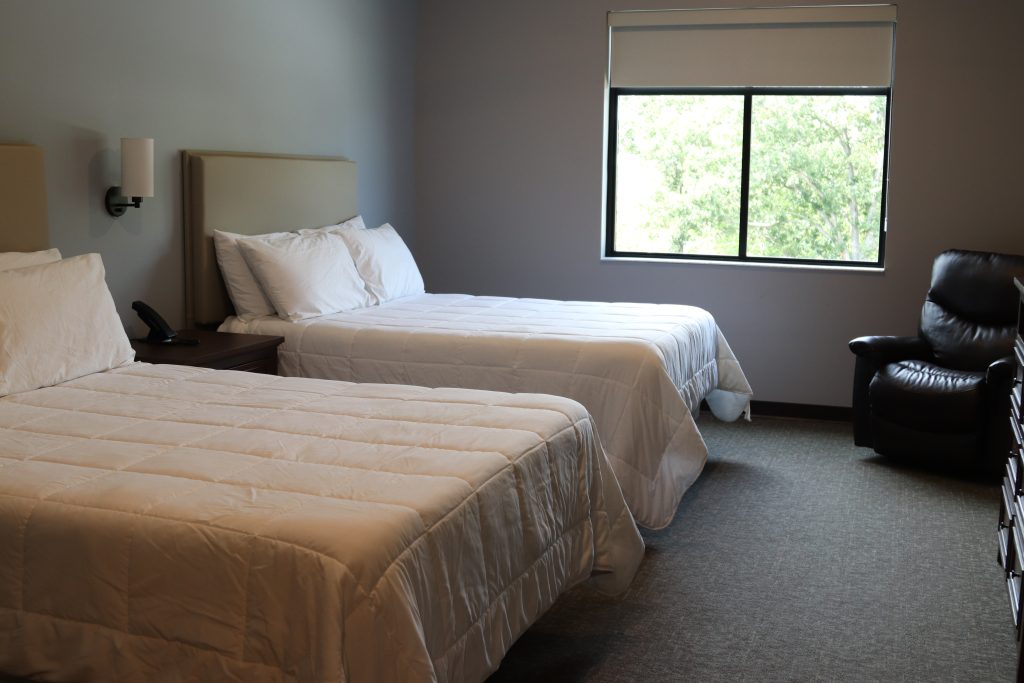
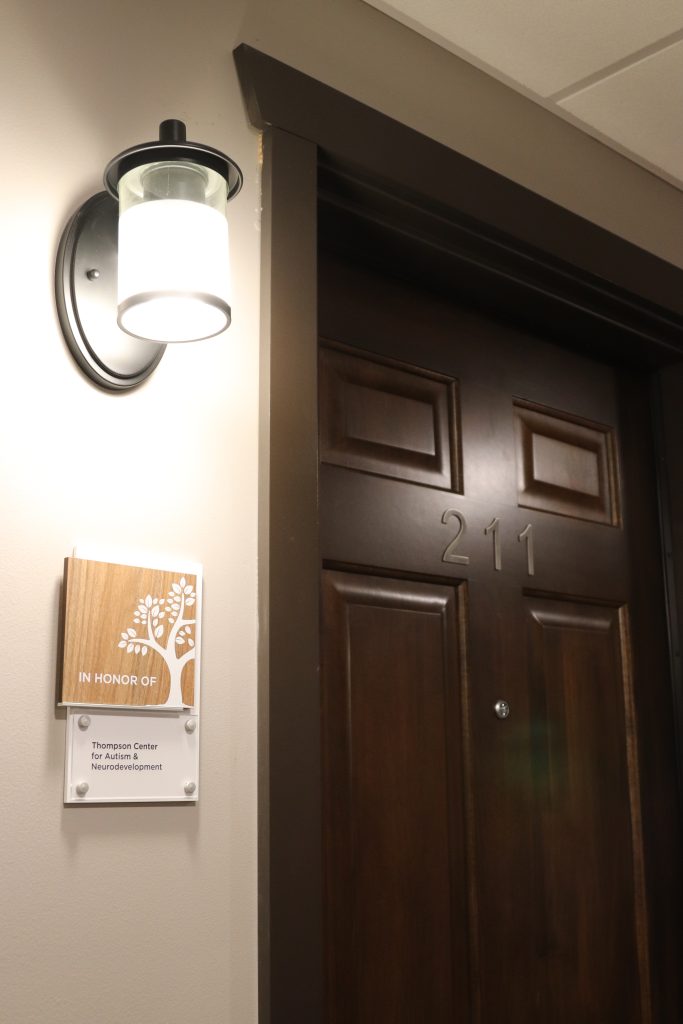
On June 11, the Ronald McDonald House Charities had the grand opening of their new facility on College Avenue. This relocation put the new Ronald McDonald House closer to the new MU Children’s Hospital that opened in June. This new facility currently has 24 private guest rooms for families to stay in for free while their child is receiving medical treatment nearby. The Thompson Center sponsored one of the new private guest rooms in the Ronald McDonald House!

Private room in Ronald McDonald House.
Outside of the Thompson Center sponsored private room at the Ronald McDonald House.

Not only does the Ronald McDonald House provide a place for families to stay overnight, but they also provide a private space for families to use if they are not spending the night and just need a place to go during the day. The day pass room gives families a place to relax and stay while their child receives treatment during the day. Families at the Thompson Center have utilized this private space when their children have had long days of clinical care.

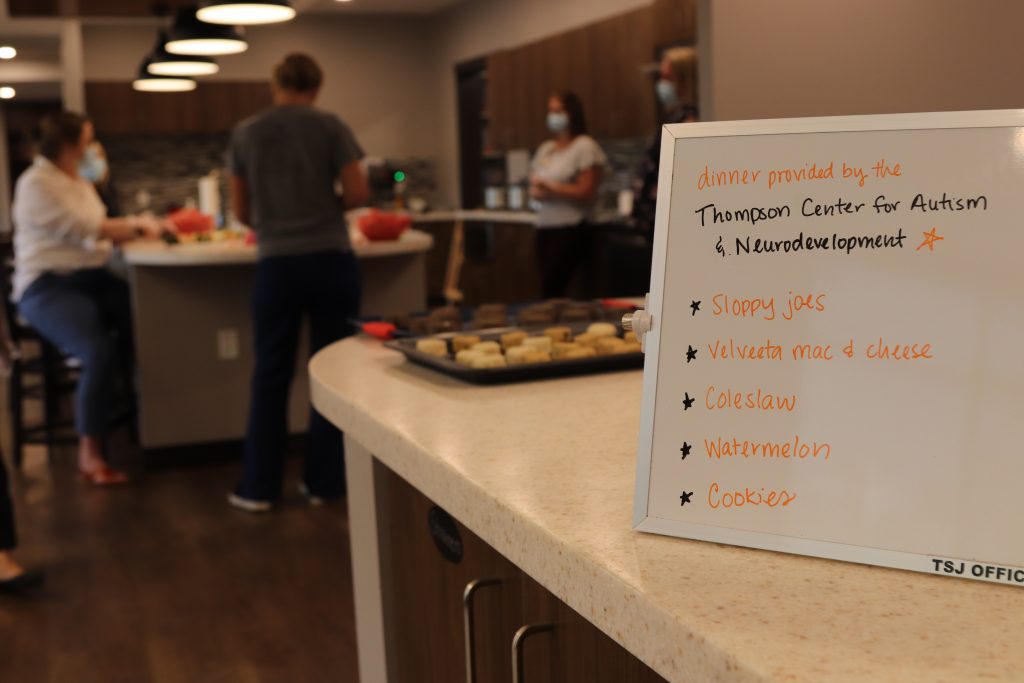
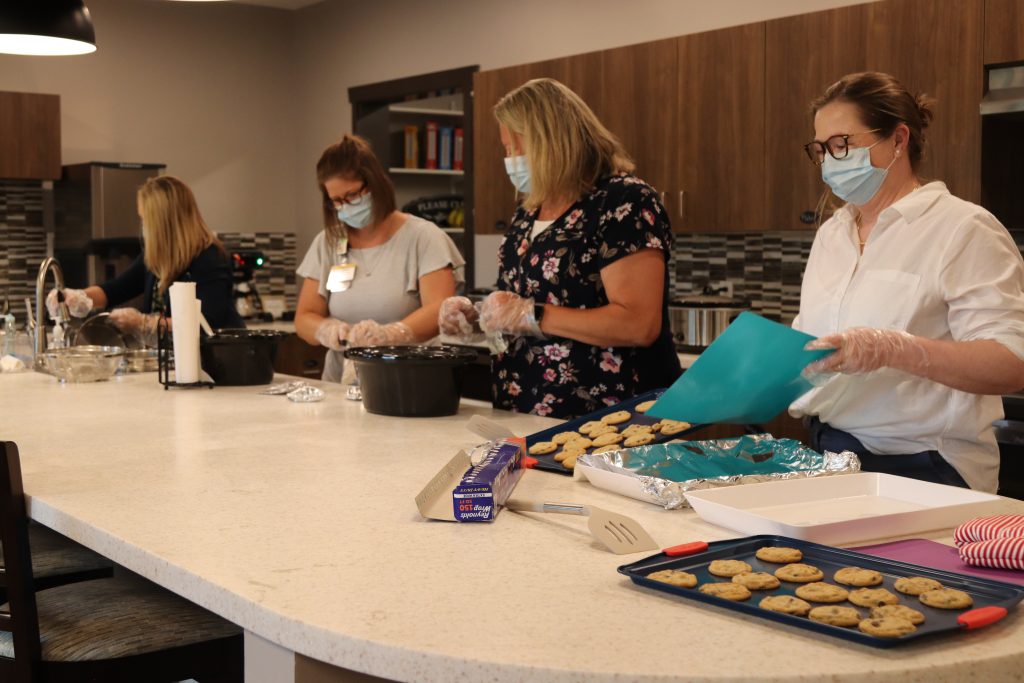
The Ronald McDonald House gives the opportunity to provide a meal to families who are spending their time taking care of their children in the hospital. The Thompson Center Business and Admin team prepared a meal for 33-55 people in June and the Operations team prepared a meal in July.
Thompson Center team preparing a meal at Ronald McDonald House.

Along with being able to provide meals for the families, the Thompson Center also collected and dropped off over 5 gallons of aluminum pull tabs to the Ronald McDonald House. These aluminum pull tabs will be recycled, and the money received from recycling is used to help support the Ronald McDonald House programs.

Aluminum pull tabs donated to the Ronald McDonald House.

Lunch on the House is a Ronald McDonald House program that provides complimentary lunches to families. The Ronald McDonald House has been able to provide several of these lunches for children and their families in Applied Behavior Analysis (ABA) therapy at the Thompson Center.   

The collaboration between the Thompson Center and the Ronald McDonald House Charities has provided more opportunities to support families, and the center looks forward to continuing this collaboration and support.

New Provider Spotlight: Dr. July Jean Cuevas

July Jean Cuevas, MD, FAAP, is the newest developmental-behavioral pediatrician to join the Thompson Center’s medical team. Get to know Dr. Jean through our latest interview with her.

What got you interested in working with autism and neurodevelopment?

I did not know that developmental and behavioral pediatrics was a specialty in pediatrics, until I started residency. I felt an immediate connection with the first patient with autism I saw as a resident. I wanted to communicate with this child who seemed so immerse in his own world. I wanted to be able to understand him and individuals like him. I was curious about developmental progress and how the developmental trajectory of a child can impact the child, their family, their education, their learning, and their social and emotional well-being.

What is your educational background?

I went to medical school in my home country of Dominican Republic. After graduating as a physician, I worked at a foundation treating children with congenital heart disease. At the same time, I was teaching theoretical lectures and practice labs in my Alma Mater’s medical and dental school, in the areas of anatomy, histology and embryology. After a few years, I came to the USA to pursue specialty training. I completed pediatric residency at Lincoln Medical and Mental Health Center, in the South Bronx, in NY. After graduating, I entered developmental-behavioral pediatrics fellowship at Children’s Mercy in Kansas City. After 3 years of training and graduating I stayed as a faculty member for about 6 years.

Where did you work before joining the Thompson Center team?

I was at Children’s Mercy Kansas City for a total of 9 years, where I met incredible patients and families, who have been the greatest teachers.

What are you most looking forward to about your new role at the Thompson Center?

I’m looking forward to getting to know new patients and families and partner with them in their journey, learning about community resources and partnerships, and being part of trainees’ and students’ learning processes as I also learn from them.

When you’re not working, what do you enjoy doing?

I enjoy listening to music, visiting family and friends in my home country, the Dominican Republic, and going on outings with my husband, Patrick, and our daughter, Luna.

Anything else you’d like to share?

I feel so blessed to be part of the Thompson Center. I have felt so welcome by everyone I have met so far. The energy, enthusiasm, and genuine care that I have encountered at the Thompson Center is invaluable.