Our compassionate and knowledgeable team is here to address your unique needs and provide the best possible care for your child’s neurodevelopmental journey.
Our compassionate and knowledgeable team is here to address your unique needs and provide the best possible care for your child’s neurodevelopmental journey.
Take a look back at some of the biggest accomplishments at the Thompson Center in 2023. After an amazing year, we’re looking forward to continued growth and improvement in 2024!
We held our first cohort of SibWorks, a group for child/teen siblings of people with autism.
Ronald McDonald House’s “Lunch On The House” program expanded to deliver 17 lunches each week to children in ABA therapy programs at the Thompson Center.
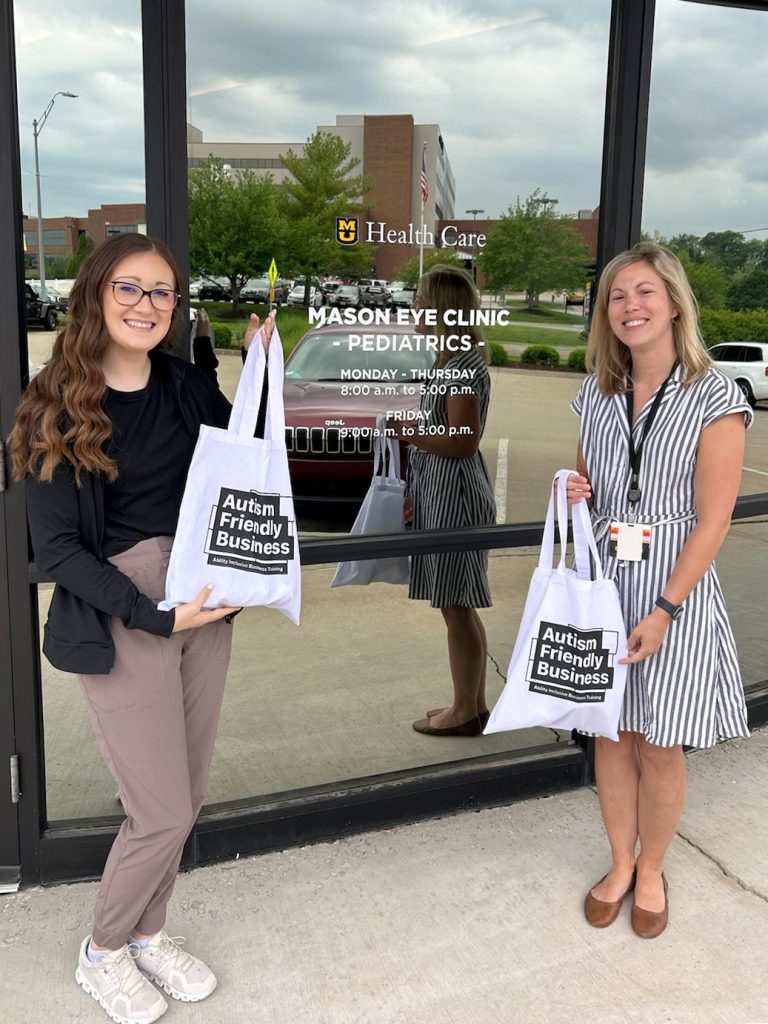
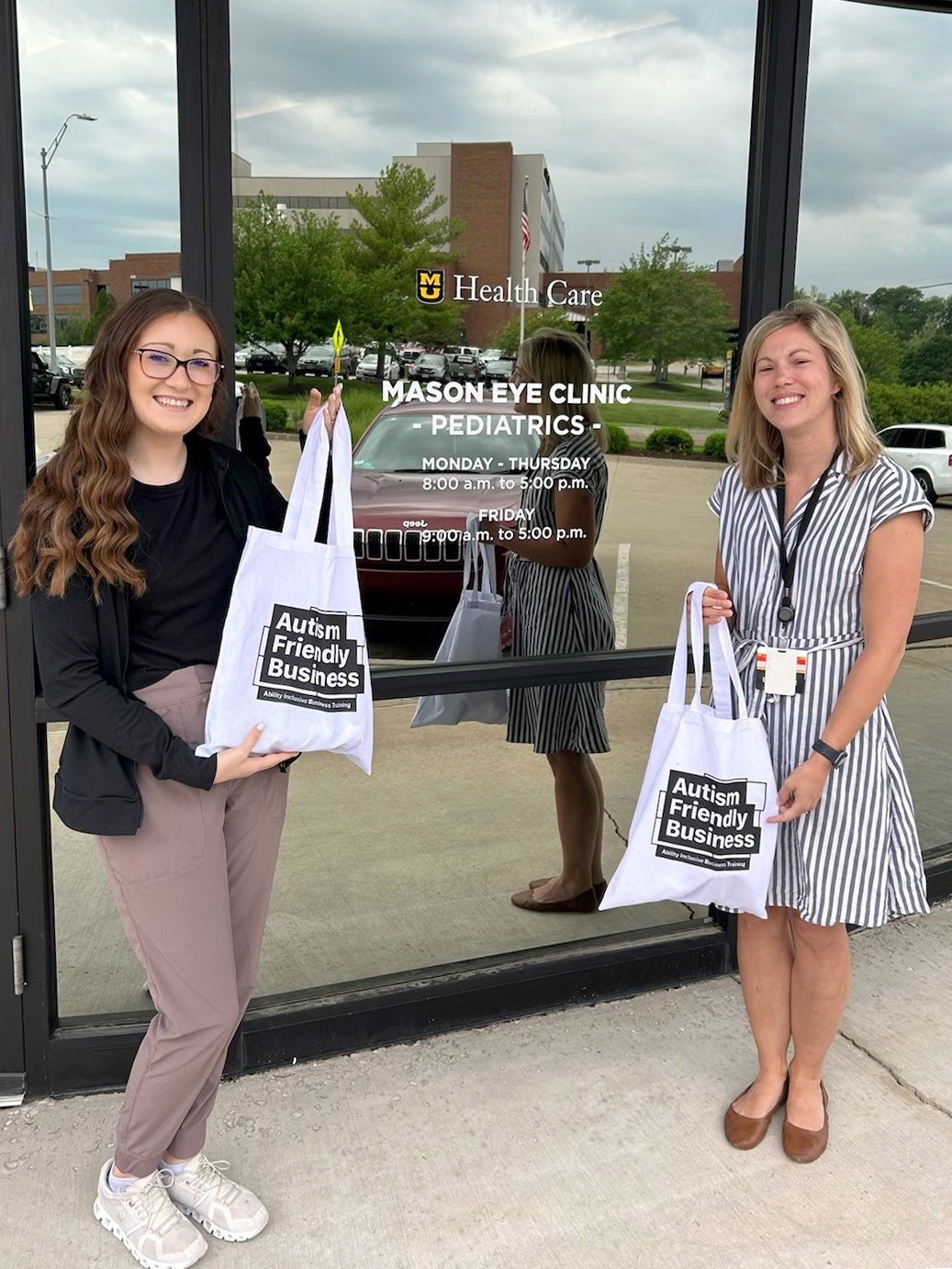
The Thompson Center and Mason Eye Clinic partnered to provide free vision screenings to children with autism, thanks to the support of the Healthy Vision Association.
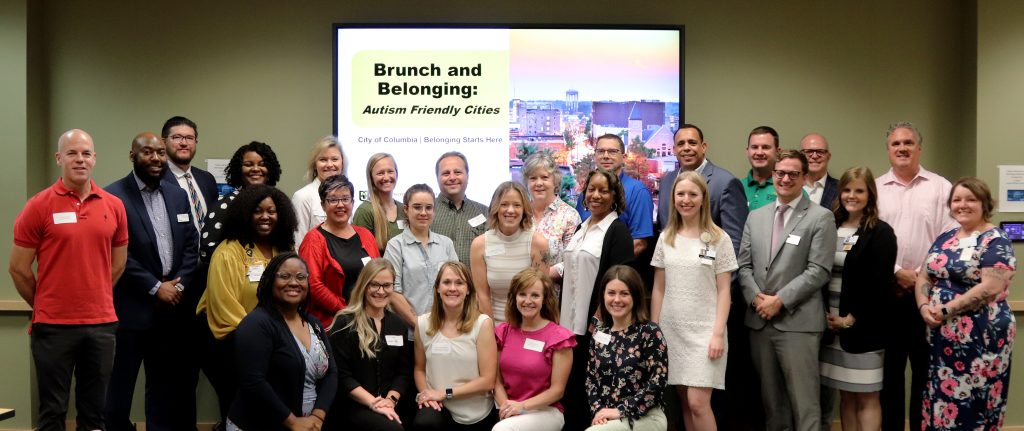
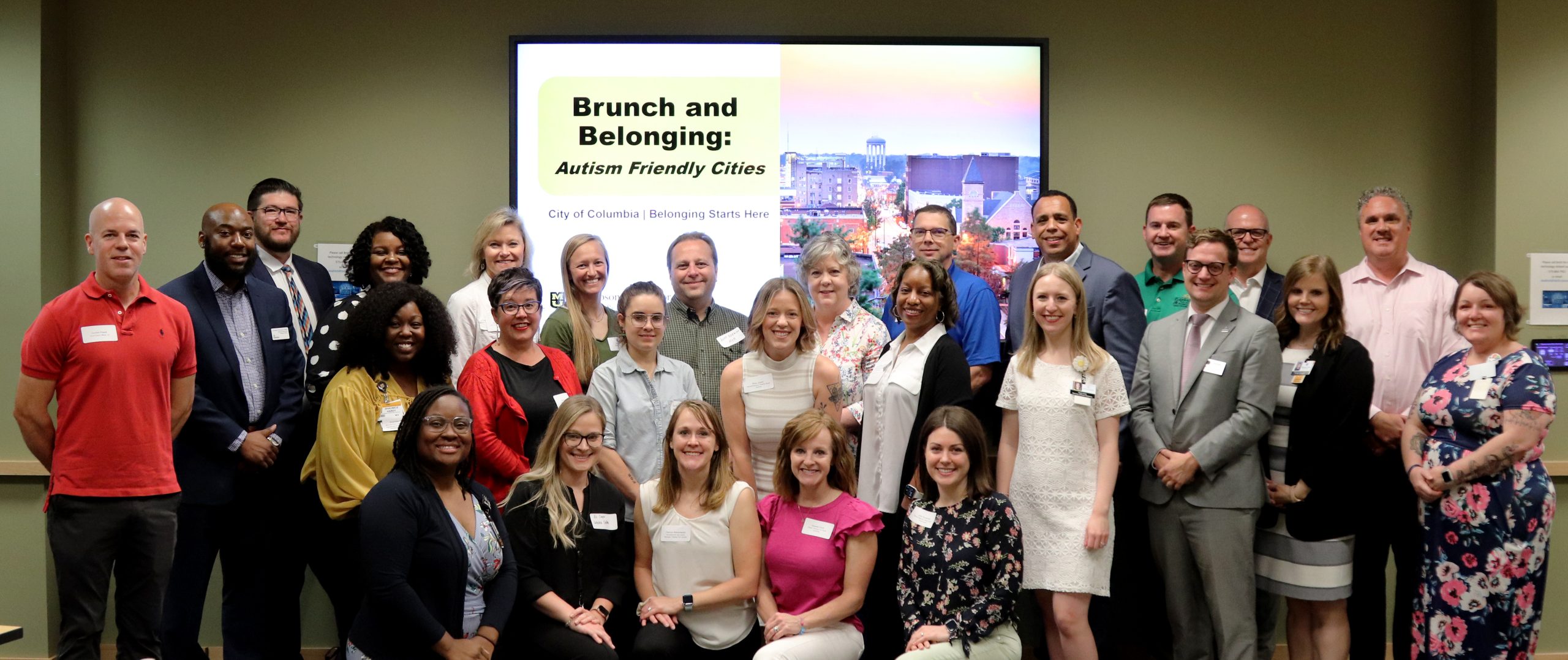
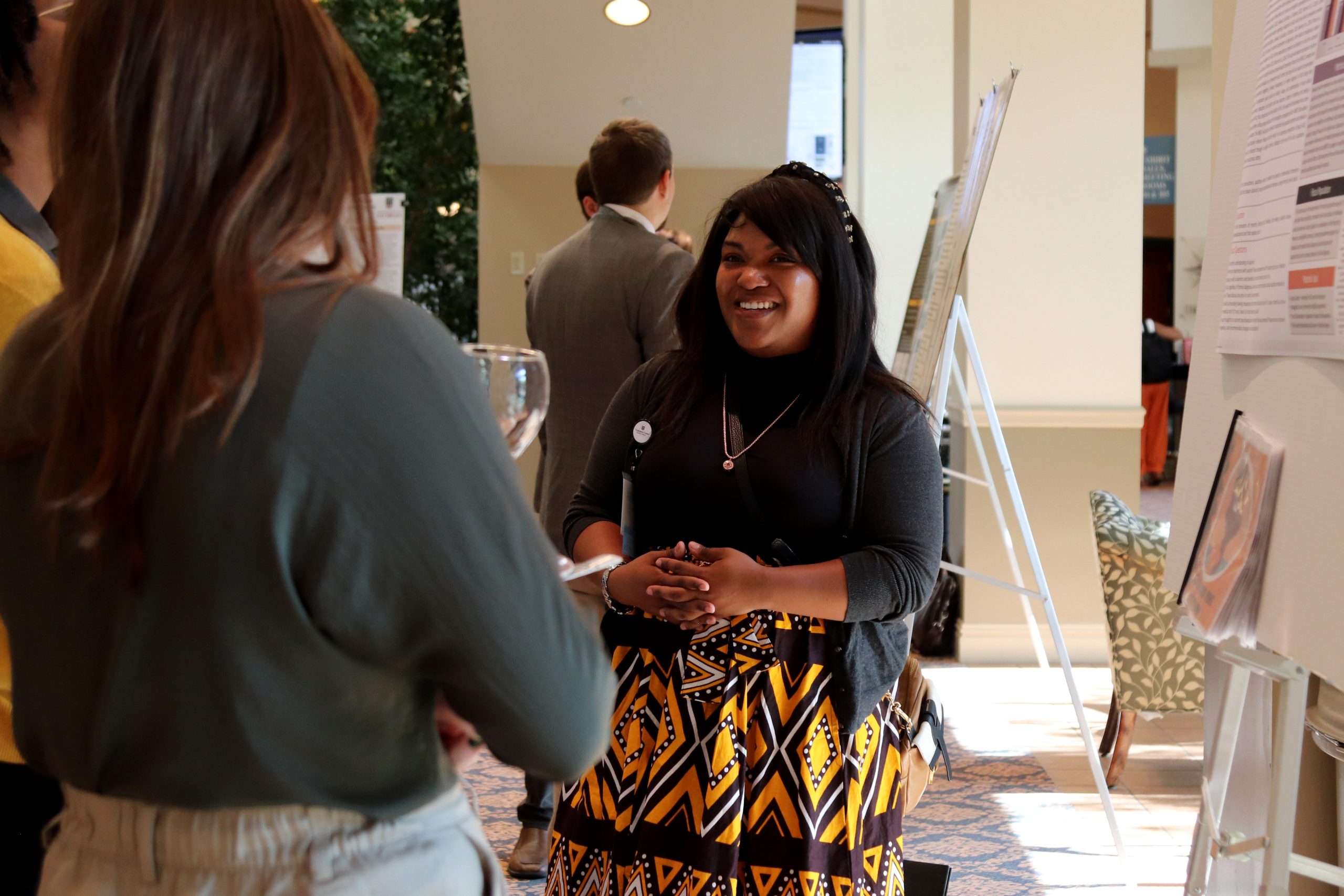
The Thompson Center hosted Brunch & Belonging to bring together Columbia community leaders to discuss becoming an Autism Friendly City.
June
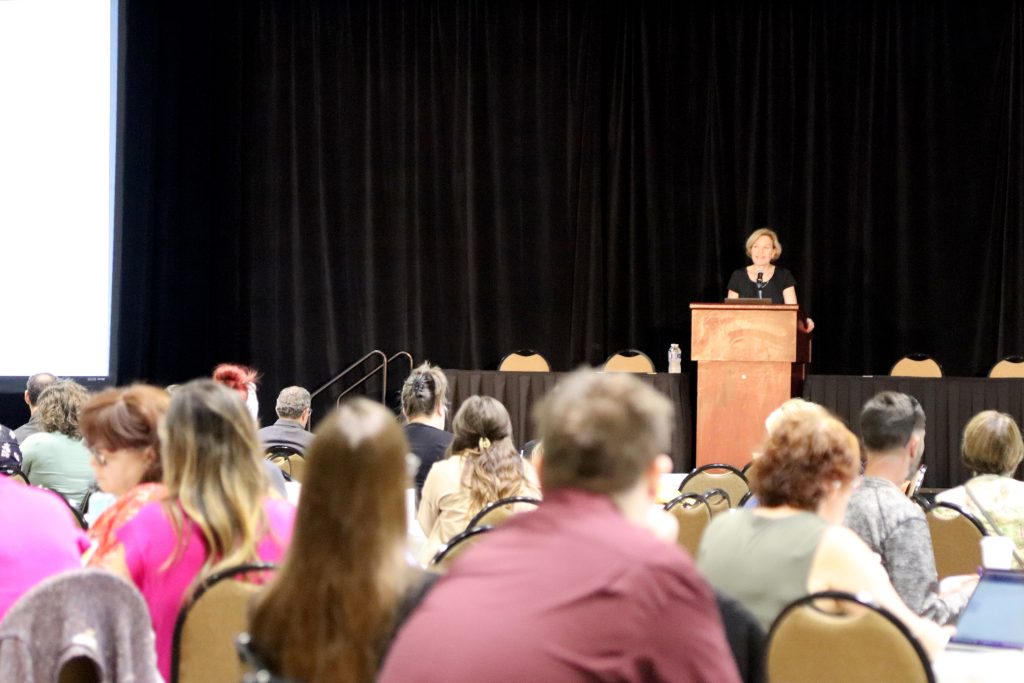
Dozens of speech-language pathologists came to the Thompson Center for SLP Autism Immersion Day.
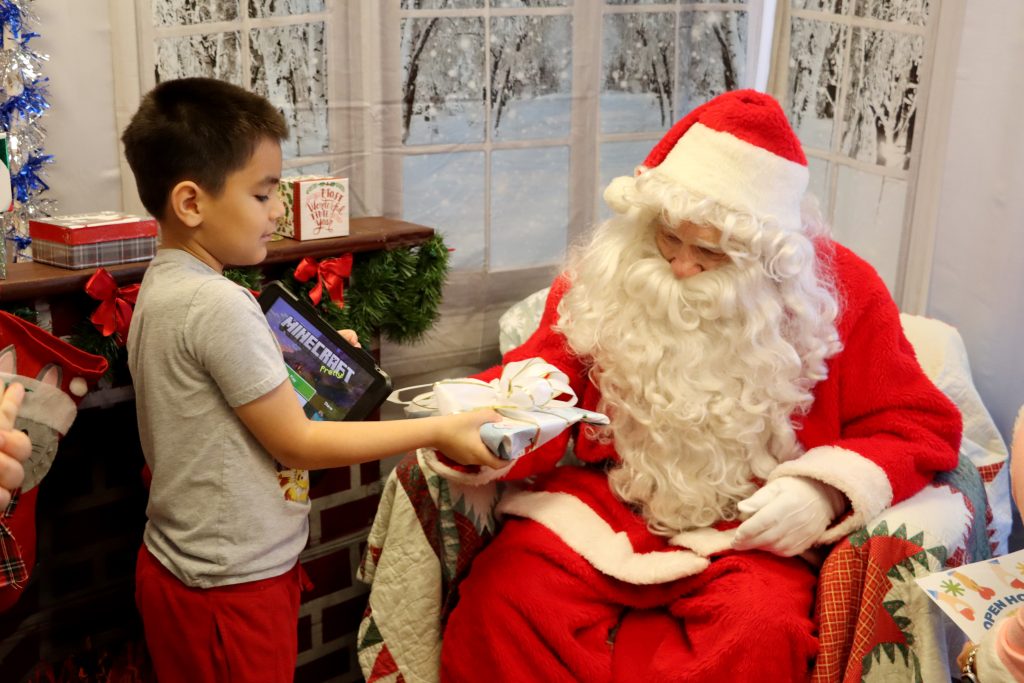
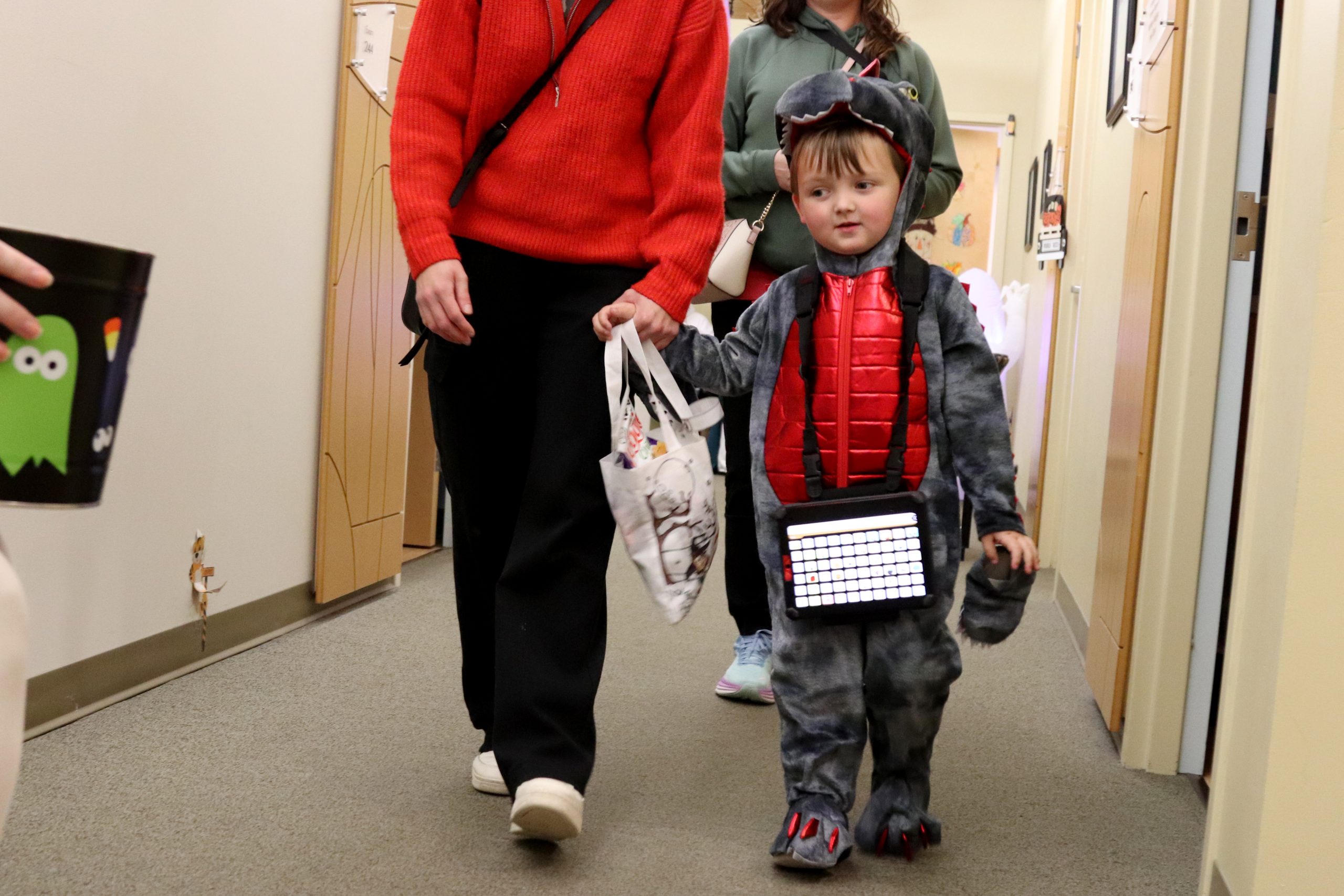
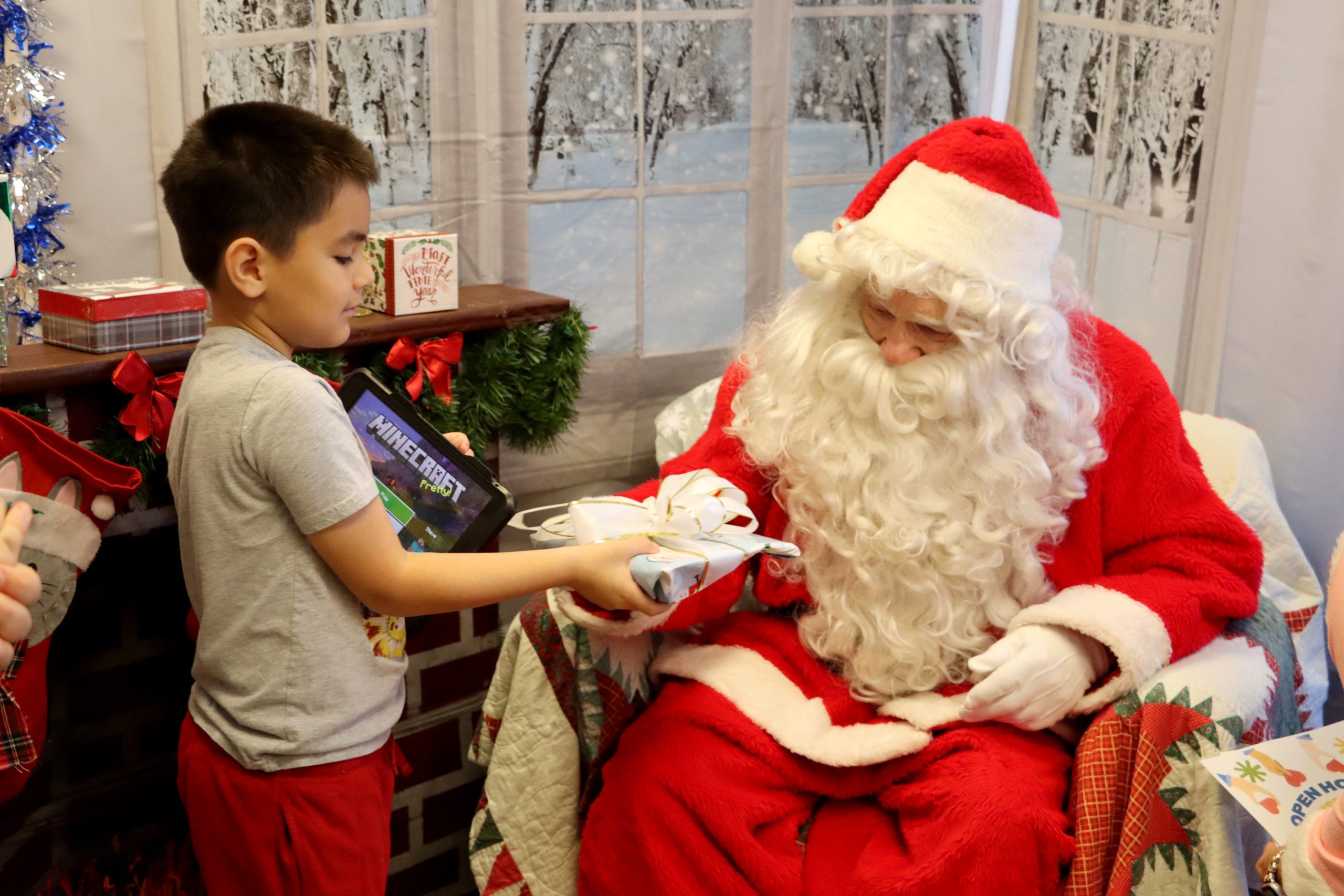
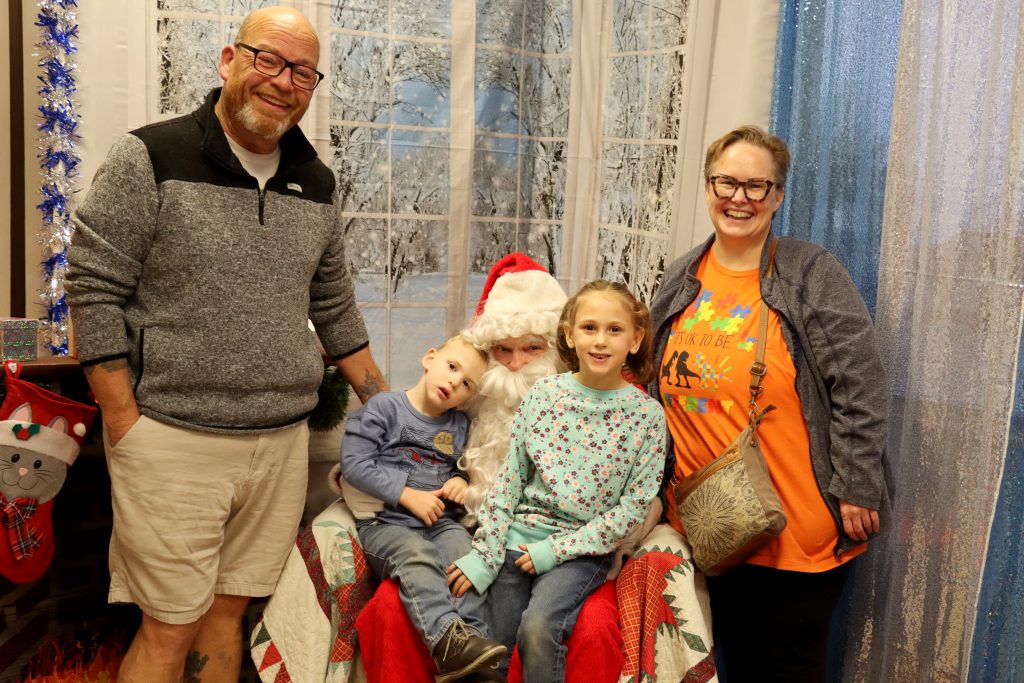
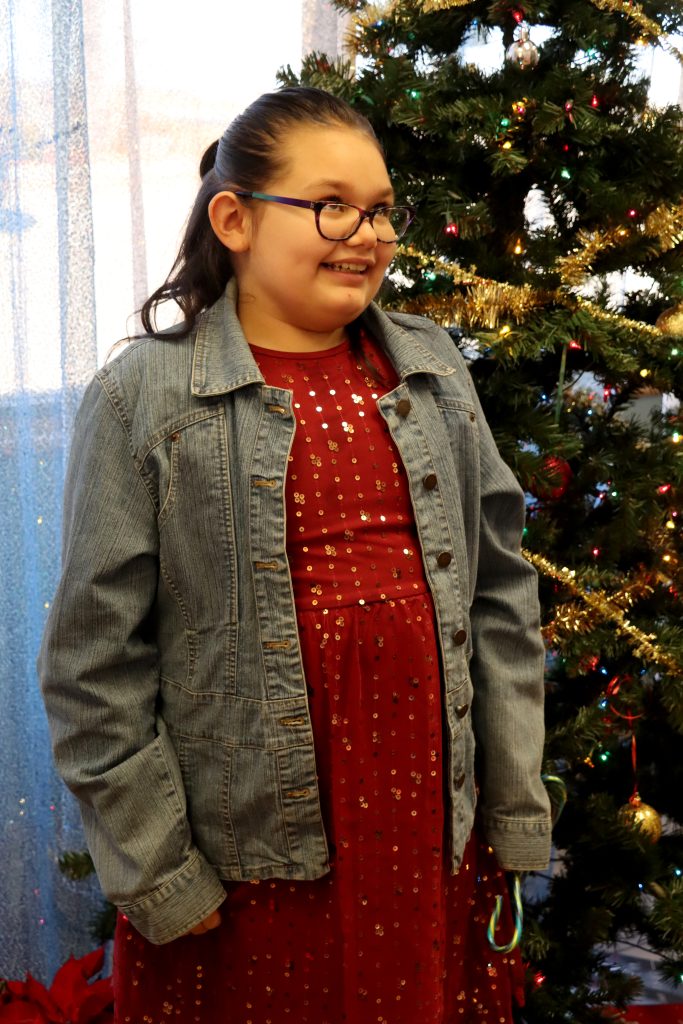
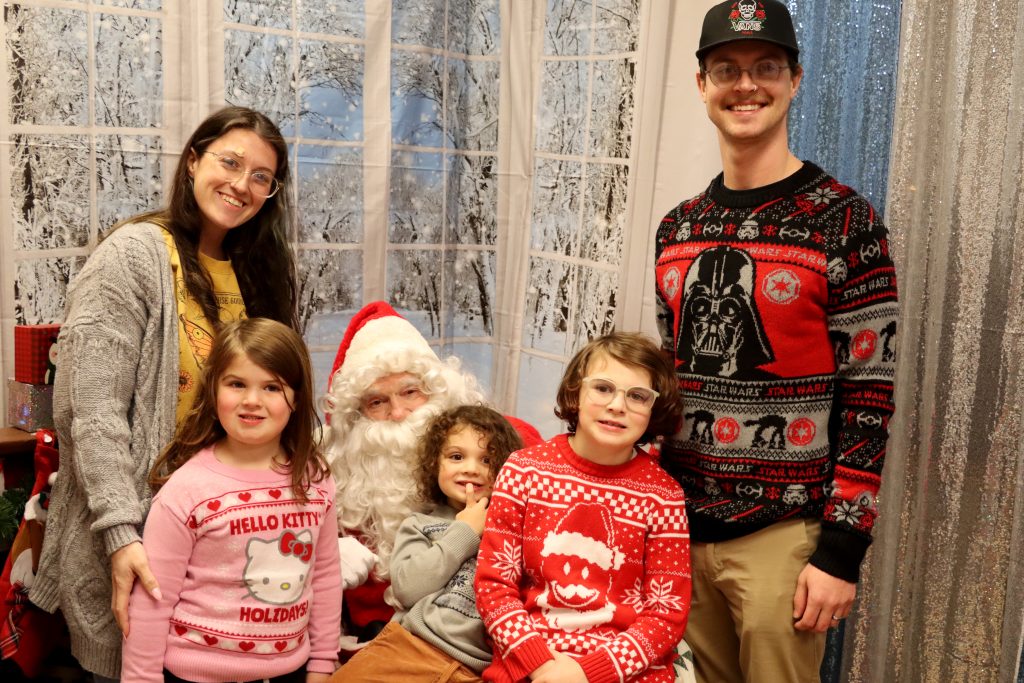
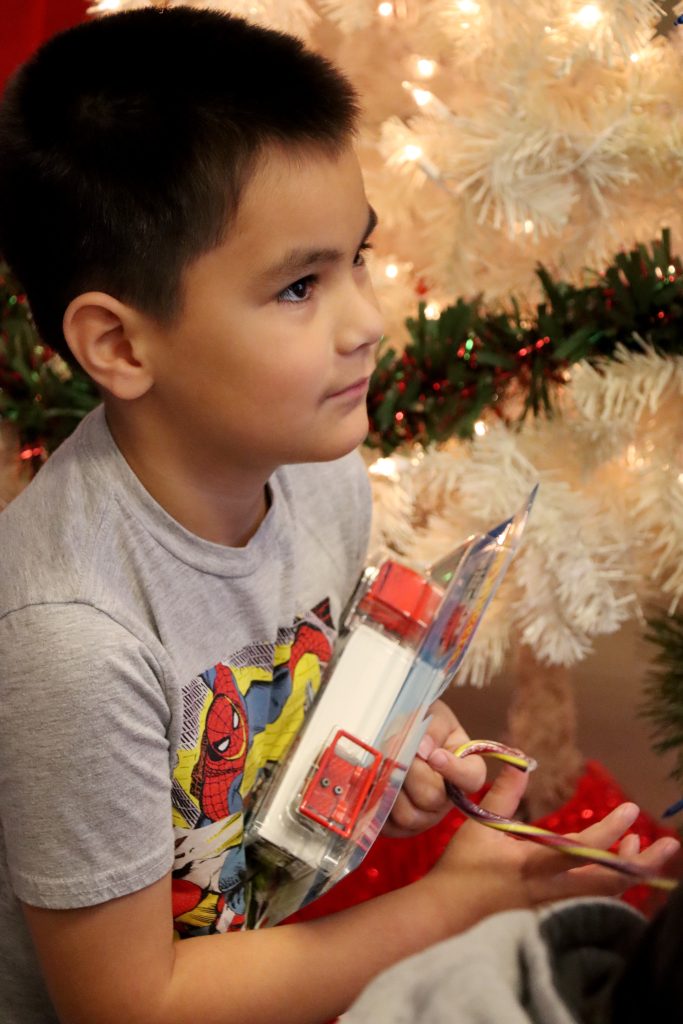
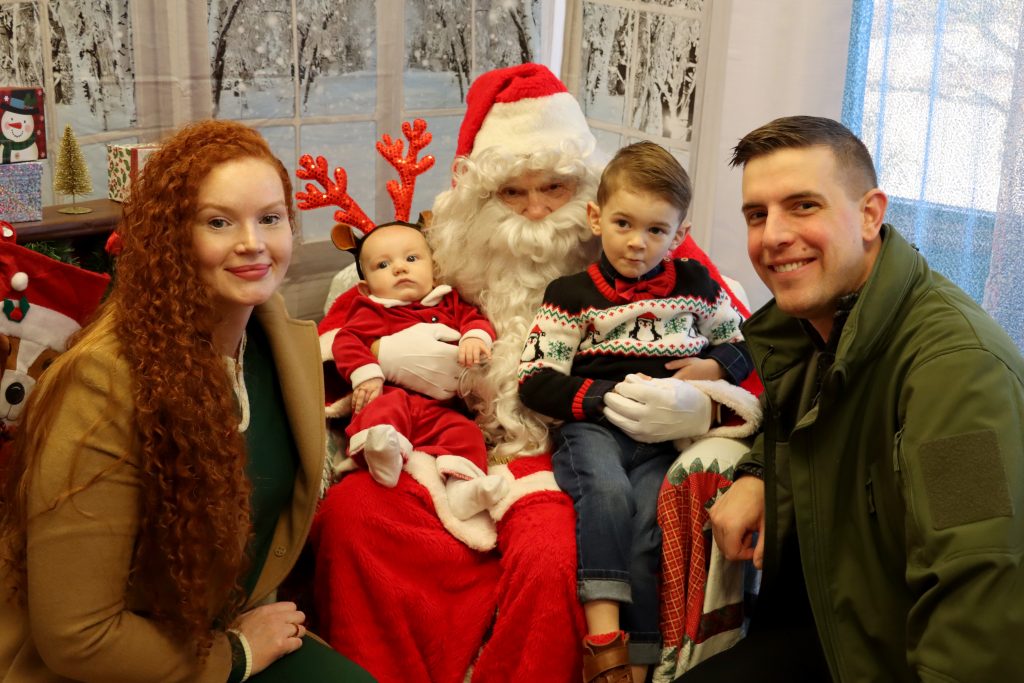
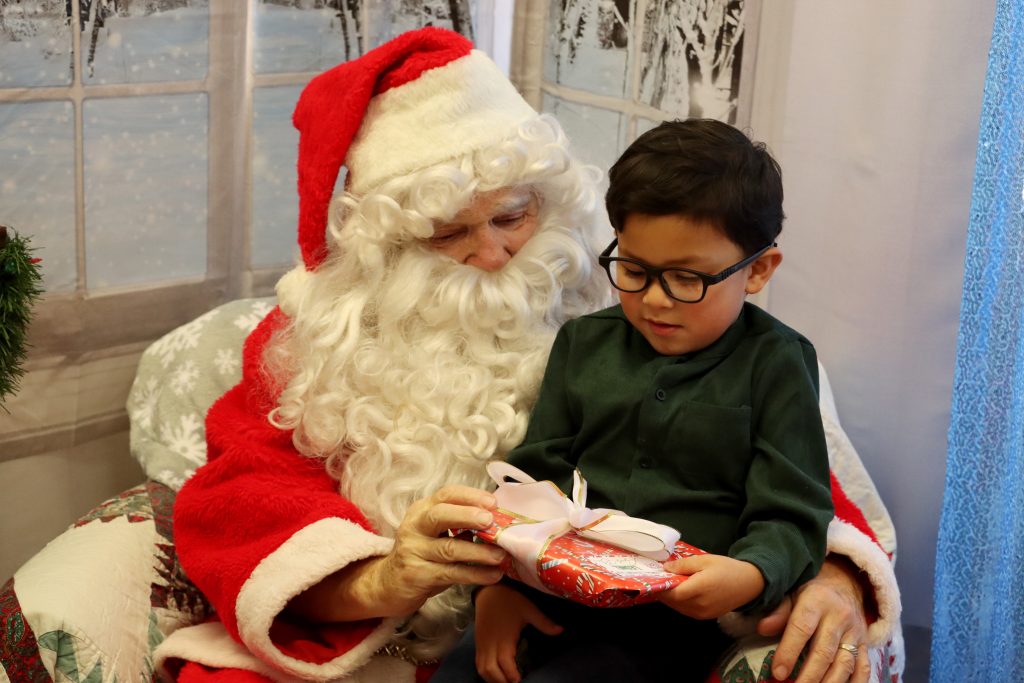
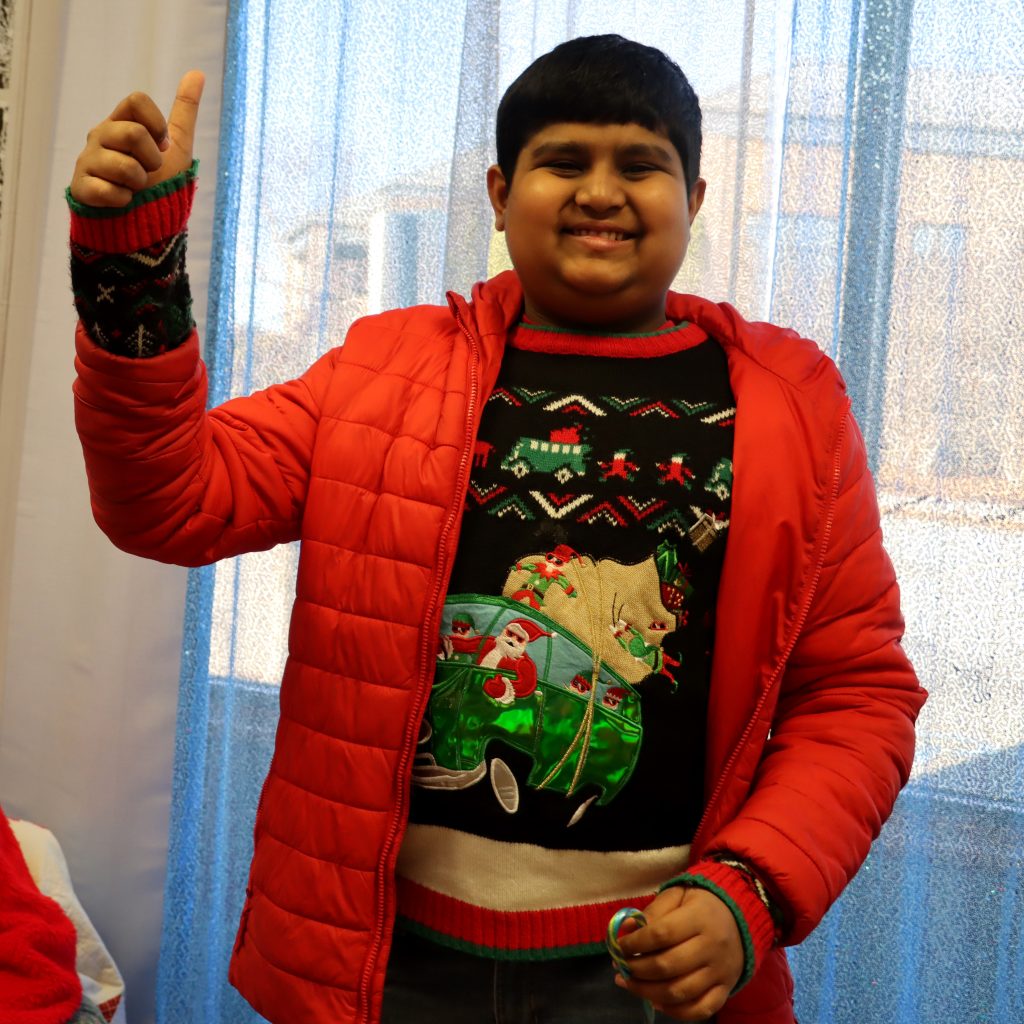
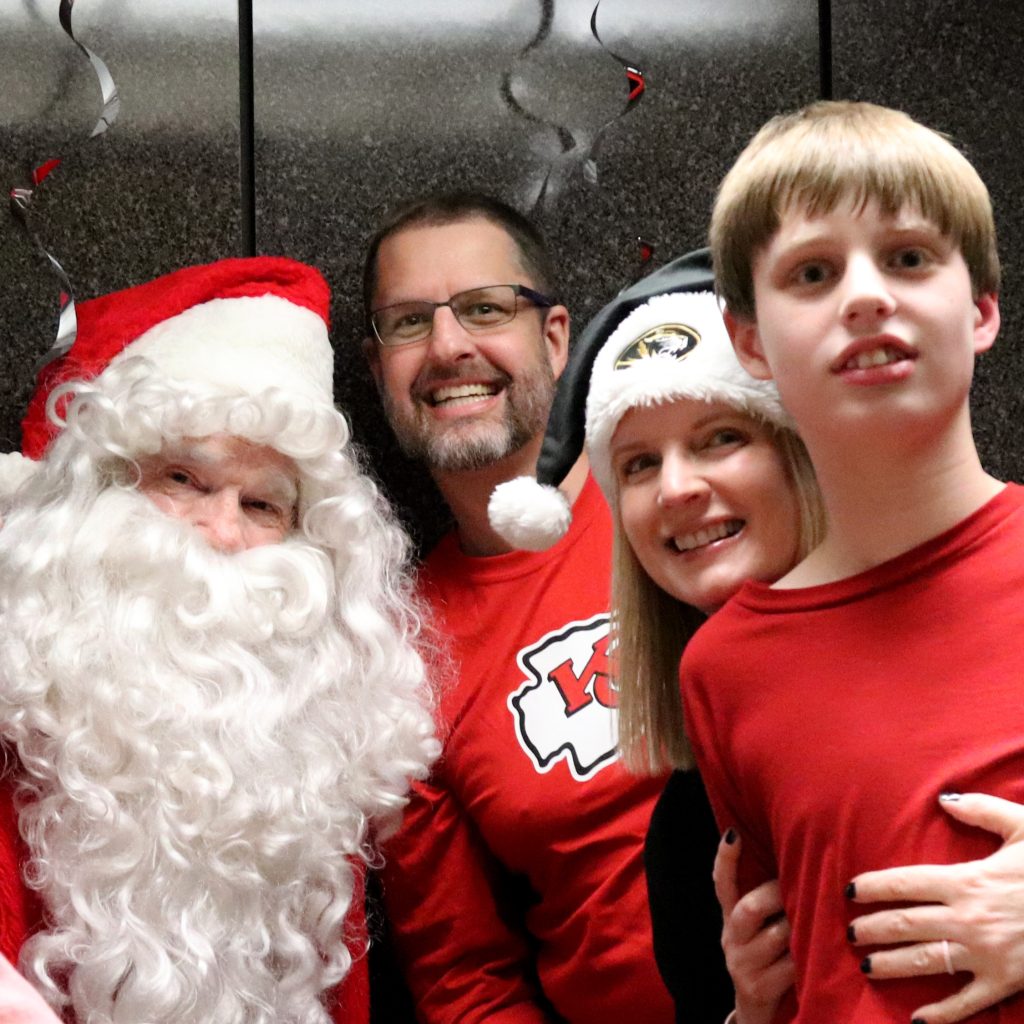
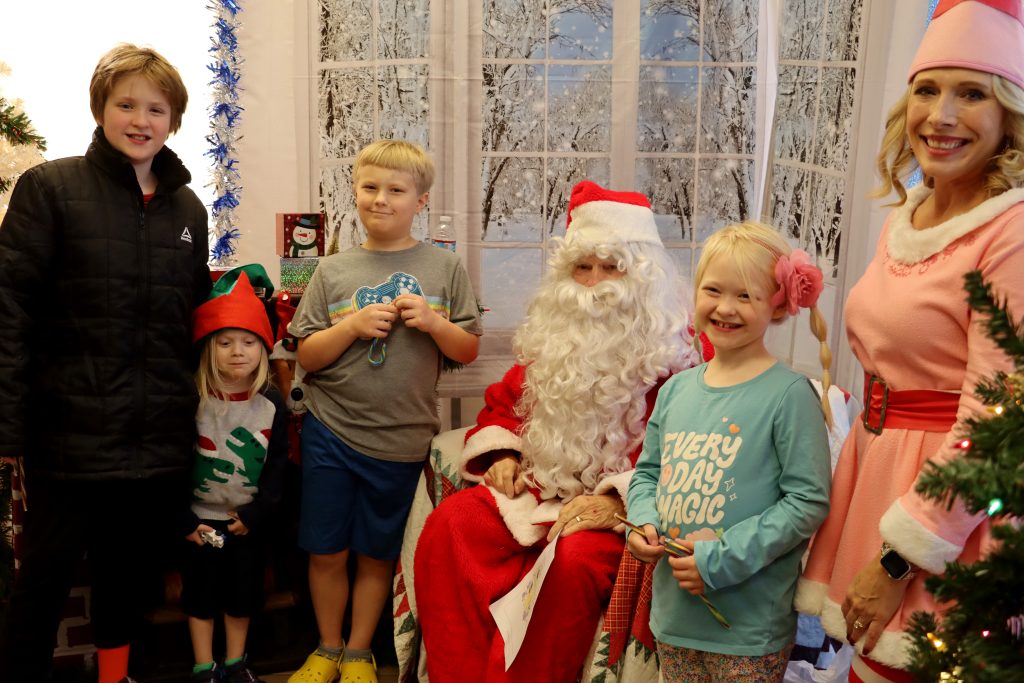
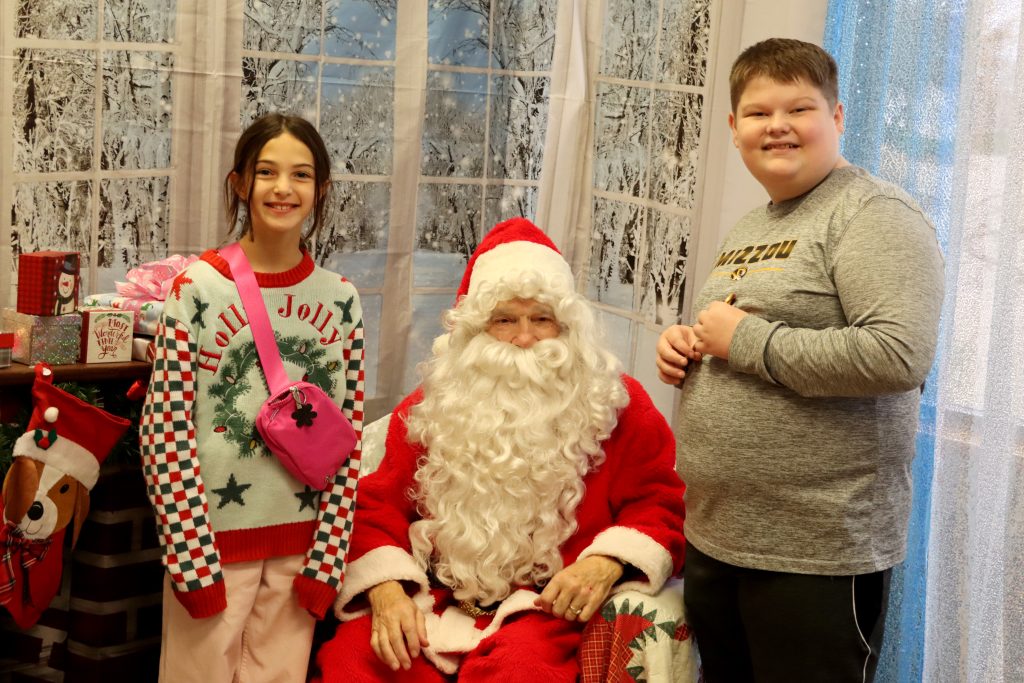
Santa made his annual visit to the Thompson Center and saw nearly 30 families.
The Thompson Center and Mason Eye Clinic partnered to provide free vision screenings to children with autism, thanks to the support of the Healthy Vision Association.
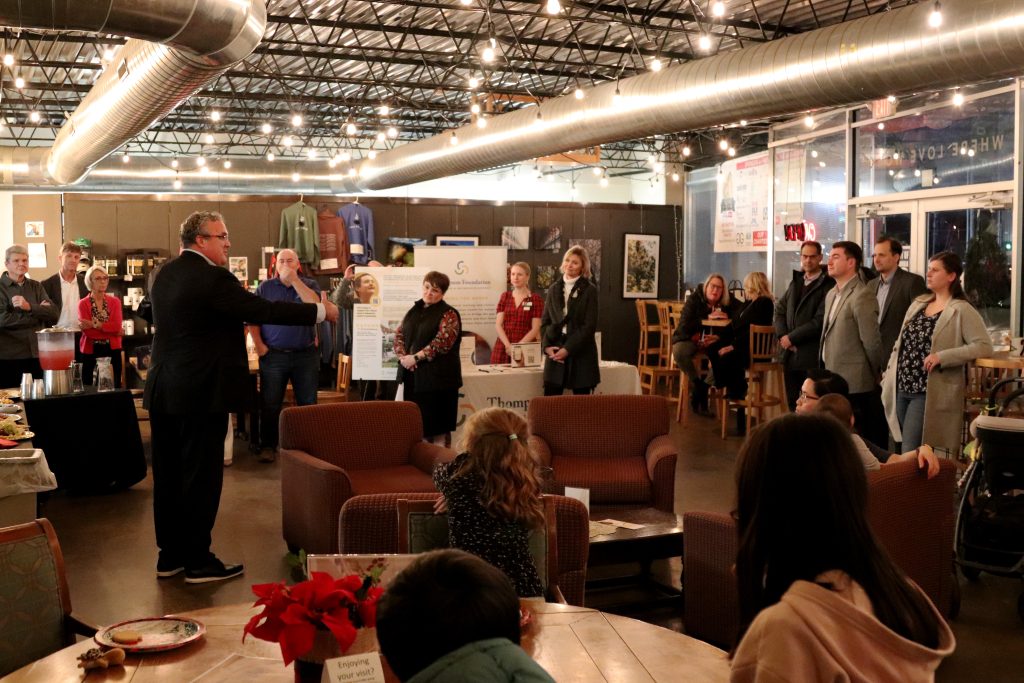
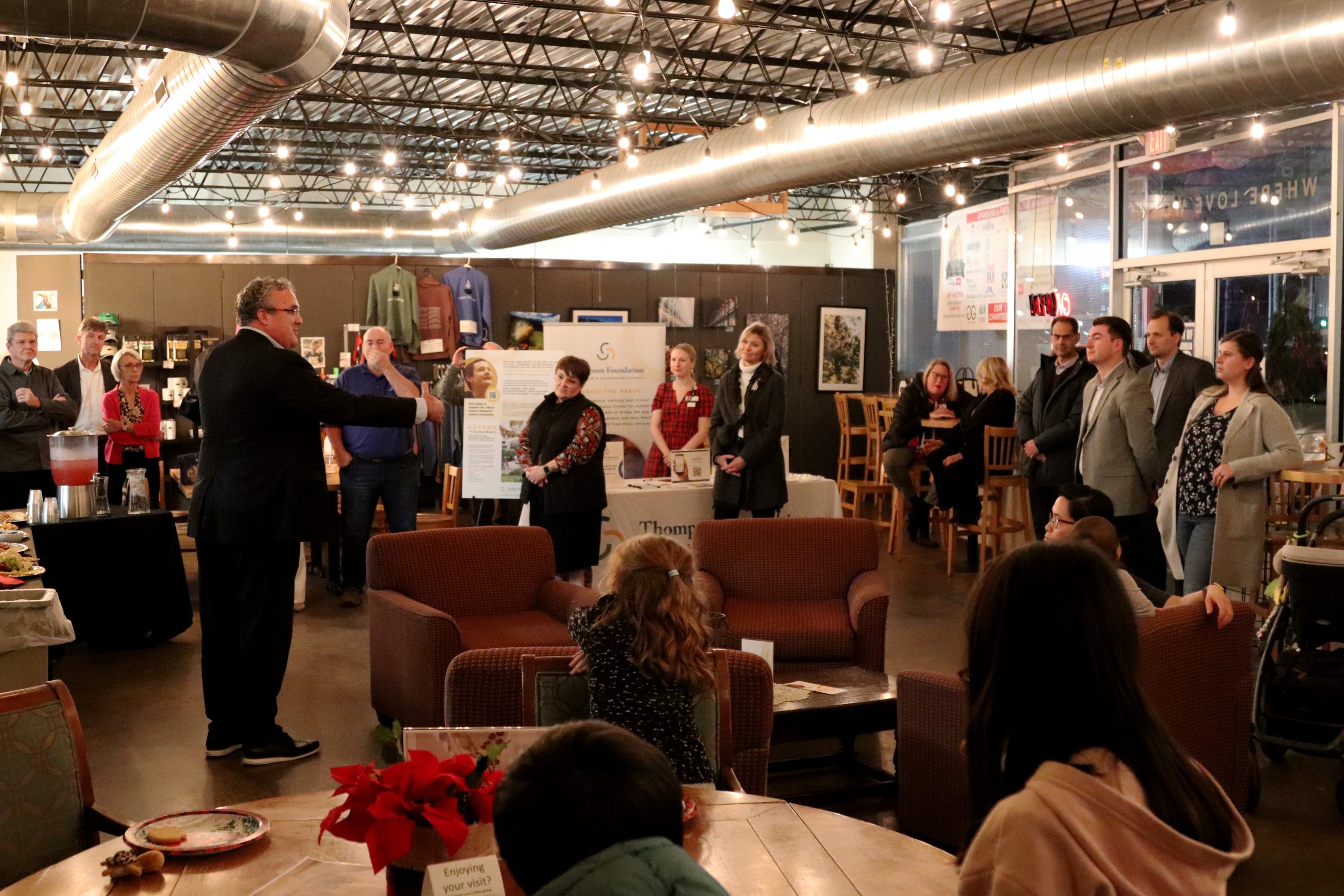
The Thompson Foundation held an open house with Love Coffee.
For the last 11 years, Santa has made a special stop at the Thompson Center to provide a holiday experience with some extra support and consideration for children with autism and other neurodevelopmental conditions.
Visiting Santa can be an overwhelming experience. There’s a lot of pressure when meeting a legend, especially one who determines the naughty and nice lists! Traditional meet-and-greets with St. Nick, like those at shopping malls or department stores, usually involve music, loud sounds, and large crowds. This can be too much for some children with autism.
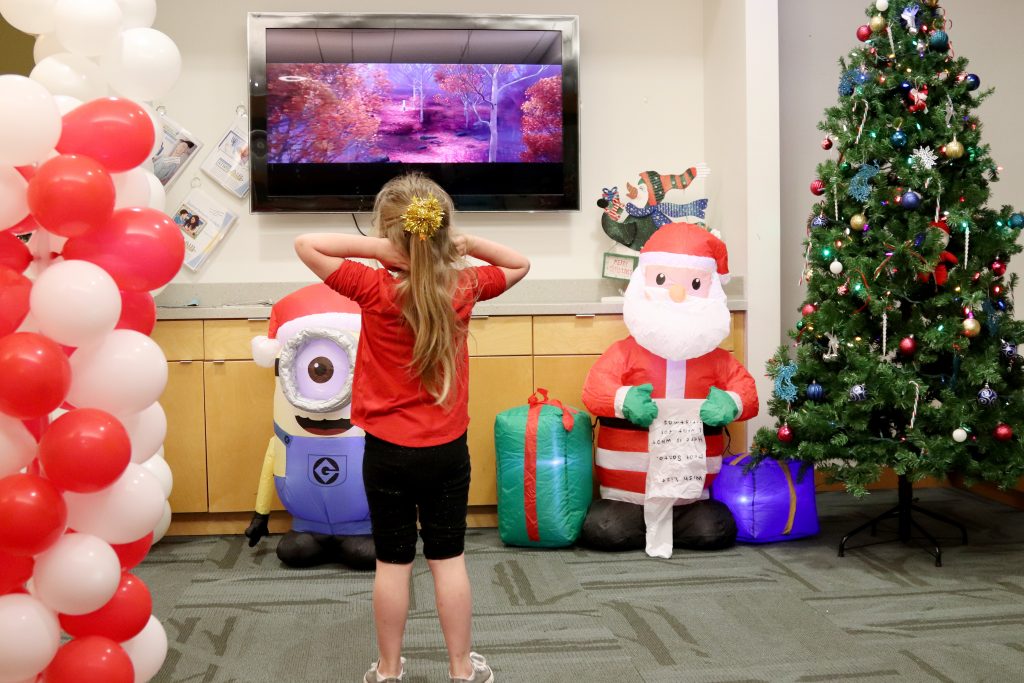
The Thompson Center team works diligently to provide a magical holiday experience with the needs of neurodivergent children in mind. Visits with Santa are by appointment only, which eliminates the throngs of people and time spent waiting in a line. The waiting room has holiday treats, coloring pages, and a movie playing softly to pass the time until the big man and his elf are ready to see them in the North Pole room. The North Pole is small enough to provide a sense of intimacy and prevent elopement, but large enough that children who feel overwhelmed or fearful can interact with Santa from a distance. Lora Hinkel, a.k.a. the pink elf, is a speech-language pathologist, Thompson Foundation board member, and parent of a son with autism and a son with ADHD. Thompson Center patients may recognize the portrait photographer from previous Santa visits or from clinic appointments; Tammy Hickman has been a nurse at the Thompson Center for more than 15 years. In addition, at least one of the North Pole helpers is trained in crisis intervention and available to assist if a behavioral issue escalates.
Thanks to generous support from the Thompson Foundation, each child received a personalized gift from Santa during their visit. Each family was also given a copy of “Frankie and Finn,” a book co-authored by Miss Missouri Hayley Leach and her brother, Matthew. In honor of Matthew, Hayley’s platform is autism awareness and acceptance.
This story appears in the Fall 2023 issue of DISCOVERY, the Thompson Center’s research newsletter. Find more content like this on our DISCOVERY webpage.
At the Thompson Center, our dedicated research team is paving the way in understanding and addressing the complexities of autism. Among the many studies the team has been involved in over the last few years are several clinical trials. Samantha Hunter, the Thompson Center’s Clinical Trials Manager, simplifies the complexity of clinical trials: “A clinical trial is a study where researchers test the safety and effectiveness of interventions such as medications or devices on human health outcomes.” The essence of these studies lies in their potential to unveil new pathways in healthcare. “The different medications we use today in modern medicine were made possible through volunteers completing clinical trials,” said Hunter. Dr. Benjamin Black, Director of Medical Services and researcher at the Thompson Center, says that these volunteers, or research participants, are one of the hallmarks of working on clinical trials. “In clinical research, we think of our patients and families as partners with us, and we’re all investigating together to see if something really works.”
A Glimpse Into Recent Trials
Recent studies at the Thompson Center have focused on pivotal outcomes linked to social communication and anxiety, two significant domains impacting many autistic individuals. These trials aim to tackle challenges such as agitation, aggression, and the often medication-resistant nature of anxiety among this population. Dr. David Beversdorf, a Thompson Center researcher, welcomes this new approach. “Many studies look at conditions that exist alongside autism,” said Dr. Beversdorf, referring to past research projects that studied outcomes like sleep and gut health, “but these are some of the first we’ve done that focus on the core characteristics of autism.”
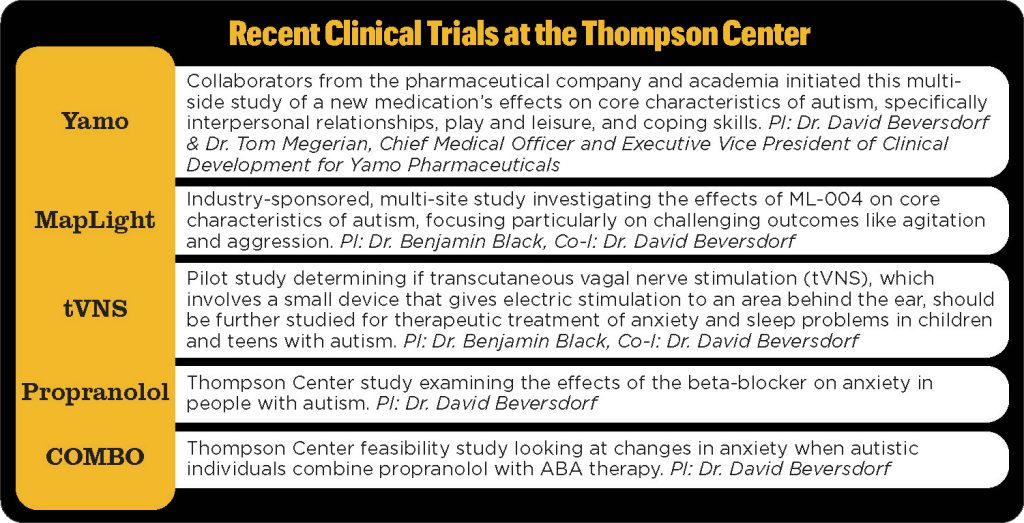
The table above summarizes five of the Thompson Center’s recent clinical research studies. These trials vary widely in their scopes and methodologies. For instance, the propranolol study engaged nearly 70 participants over a span of three years, while small COMBO and tVNS pilot studies focused on whether larger studies on these therapeutic agents should be conducted in the future. The industry-sponsored Yamo and MapLight trials have 10 or fewer participants enrolled through the Thompson Center, but are part of larger multi-site studies; the other projects are housed within the Thompson Center, thus giving our researchers more opportunities for input into the design of the study.
Challenges in Clinical Research
One challenge of recruiting participants for these studies is balancing eligibility criteria with existing treatments. For example, in the cases of the Thompson Center’s clinical trials where anxiety is a primary outcome being investigated, participants are ineligible if they are already taking antidepressants or SSRI medications. Families and individuals may also have reservations about trying new medications or therapies, which adds layers of intricacy to the recruitment process. New medications, like the one tested in the Yamo study, may be the first thing to come to mind for clinical trials. However, clinical trials are also used to investigate new uses of already established drugs. The medication tested in the MapLight study is a reformulation of a drug that is often prescribed for migraines. Propranolol is an inexpensive drug already used for test anxiety, migraines, and even for hemangiomas in infants. tVNS is not a medication at all and is believed to have less potential for side effects.
Clinical trails are also uniquely challenging because of the strict protocols they must follow. “Clinical trials are different from other types of studies as there is additional oversight provided by the FDA,” Hunter explains. “They often take many years to complete as there are different stages to go through to thoroughly test the safety and efficacy of an intervention.” Dr. Richard (Rick) J. Barohn, Executive Vice Chancellor for Health Affairs and Hugh E. and Sarah. D. Stephenson Dean of the MU School of Medicine emphasizes that these procedures central to the integrity of the research. “Upholding the highest ethical standards, they prioritize participant safety while facilitating collaboration among experts, industry, and academia.” To help University of Missouri researchers rise to this challenge. Dr. Barohn started the Clinical Research Study Coordinator Bootcamp. This program gives researchers and their support staff the foundational knowledge needed to successfully run clinical trials.
Clinical Research Study Coordinator Bootcamp
The Clinical Research Study Coordinator Bootcamp is designed to equip research coordinators and clinical research staff with essential foundational knowledge. This engaging two-day program, hosted at the Roy Blunt NextGen Precision Health building, offers a blend of interactive lectures and group exercises facilitated by seasoned Mizzou study coordinators and research support leaders. Each session is structured as a lecture-style presentation, focusing on research topics from the coordinator’s viewpoint, complemented by interactive elements like gamified activities and collaborative breakout sessions guided by subject matter experts in respective fields. To ensure comprehension and participation, participants undergo pre- and post-tests, integrated quizzes, and engagement check-ins for each presentation.
Partnering with Patients
Despite the challenges that accompany clinical research, the Thompson Center team shares an enthusiasm for these studies. Participating in clinical trials often gives patients and families access to therapies they may not have been able to try otherwise. Hunter recalls the impact of working on the propranolol study, “several individuals benefitted from taking propranolol during the open label extension and it was amazing to see the medication work for them.” The MapLight study has a similar open label extension where individuals are guaranteed to receive the active study medication to determine if it is a good fit for them. Building relationships with patients and families stands out as a favorite aspect for many involved. “Our patients tend to be really invested in the research, from a personal standpoint of getting benefits of a particular therapy, but many of them are invested because of the potential contributions to the greater good,” Dr. Black said. “Even if it doesn’t help their family immediately, the idea of being part of something that benefits other people down the road is really special.”
What’s Next?
As ongoing trials eagerly await results, Thompson Center researchers look forward to the next steps in their clinical explorations. Dr. Black aims to expand the study of tVNS to new sites, including the University of Cincinnati and Children’s Hospital of Orange County, pending approval of funding from the Department of Defense. Dr. Beversdorf’s hopes his research will address the broad range of autism characteristics by identifying subgroups within the autistic population. Perhaps identification of biomarkers unique to certain groups of people with autism will guide them to promising therapies that may not work for people on other areas of the spectrum. Meanwhile, the Thompson Center is still recruiting adults aged 18-45 with autism spectrum disorder for MapLight with the goal of eventually expanding the study to include teenage participants. As the journey continues, the Thompson Center’s researchers continue to display unwavering commitment to unraveling the complexities of autism to not only shape future interventions but foster a community of support for people with autism and their families.
Throughout the year, the Thompson Center PIQ program recognizes our team members for a professionalism, initiative, and quality (PIQ). Employees can send their colleagues “PIQ cards” that celebrate instances of excellence in these three areas. Each year the Thompson Center selects one person to receive the Top PIQ Award. This year’s nominees were Jennifer Truelove, LPN; Ali Cooper, BCBA; Dr. John Hall, psychiatrist; Shelby Hert, social worker; and Lauren Sapp, psychometrist. Here are what each of their nominators had to say about them:
Ali has taken on new duties this year in becoming a Senior Behavior Analyst, including clinical supervision, waitlist management, and covering for the ABIS Director.
This year, Ali has volunteered for multiple LINK presentations, a program through the Thompson Center training core that offers continuing education for BCBAs.
Ali is a lead on the Thompson Center’s Safety Care Team and a member of the Building Up Morale (BUM) committee.
Ali teaches an ABA undergraduate practicum course at the University of Missouri. This year, she stepped up to teach a master’s level course in the spring when more instructors were needed.
Ali collaborates with other divisions in many ways, including hosting observers for the Severe Behavior Clinic and consulting with the medical team for the new ABA/medical clinic.
Ali is always willing to help with odds-and-ends tasks as well, such as repairing bean bags with the sewing kit she keeps in her desk.
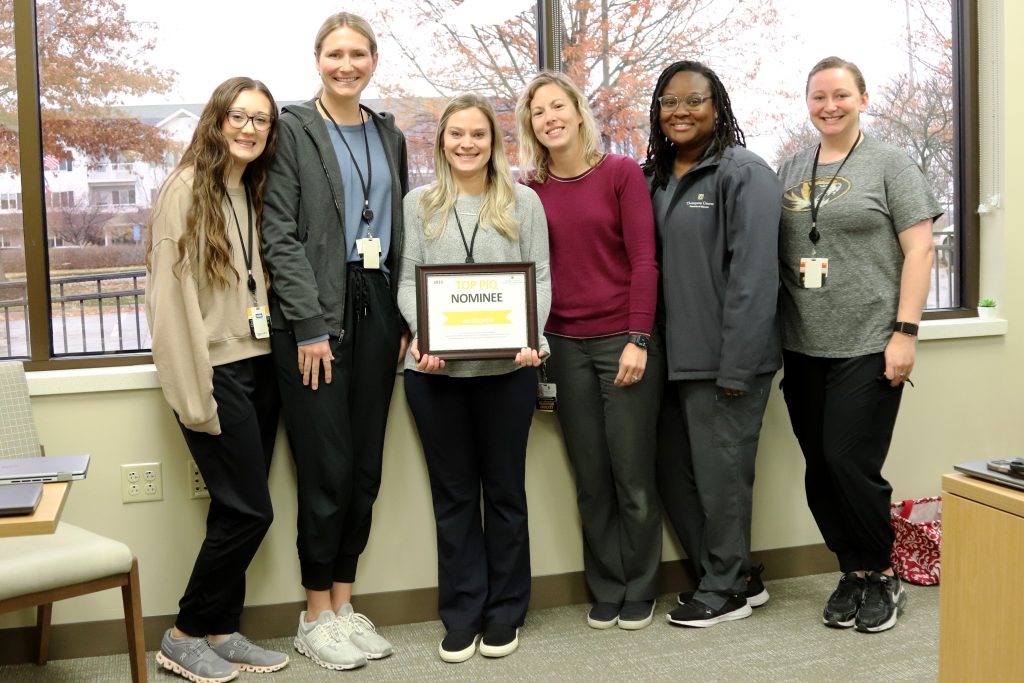
Ali holding her nomination certificate alongside the other Thompson Center BCBAs
John Hall, M.D.
As the Thompson Center’s only psychiatrist, Dr. Hall is one of the clinic’s busiest physicians.
Dr. Hall trains the next generation of child and adolescent psychiatrists through continuity clinics.
Dr. Hall is known for providing expert and compassionate care.
Dr. Hall’s colleagues seek out his thoughtful consultation, which elevates the care provided to our patients.
The ongoing hallway Scrabble and chess matches between Dr. Hall and Dr. Lasseter brings joy to team members throughout the center.
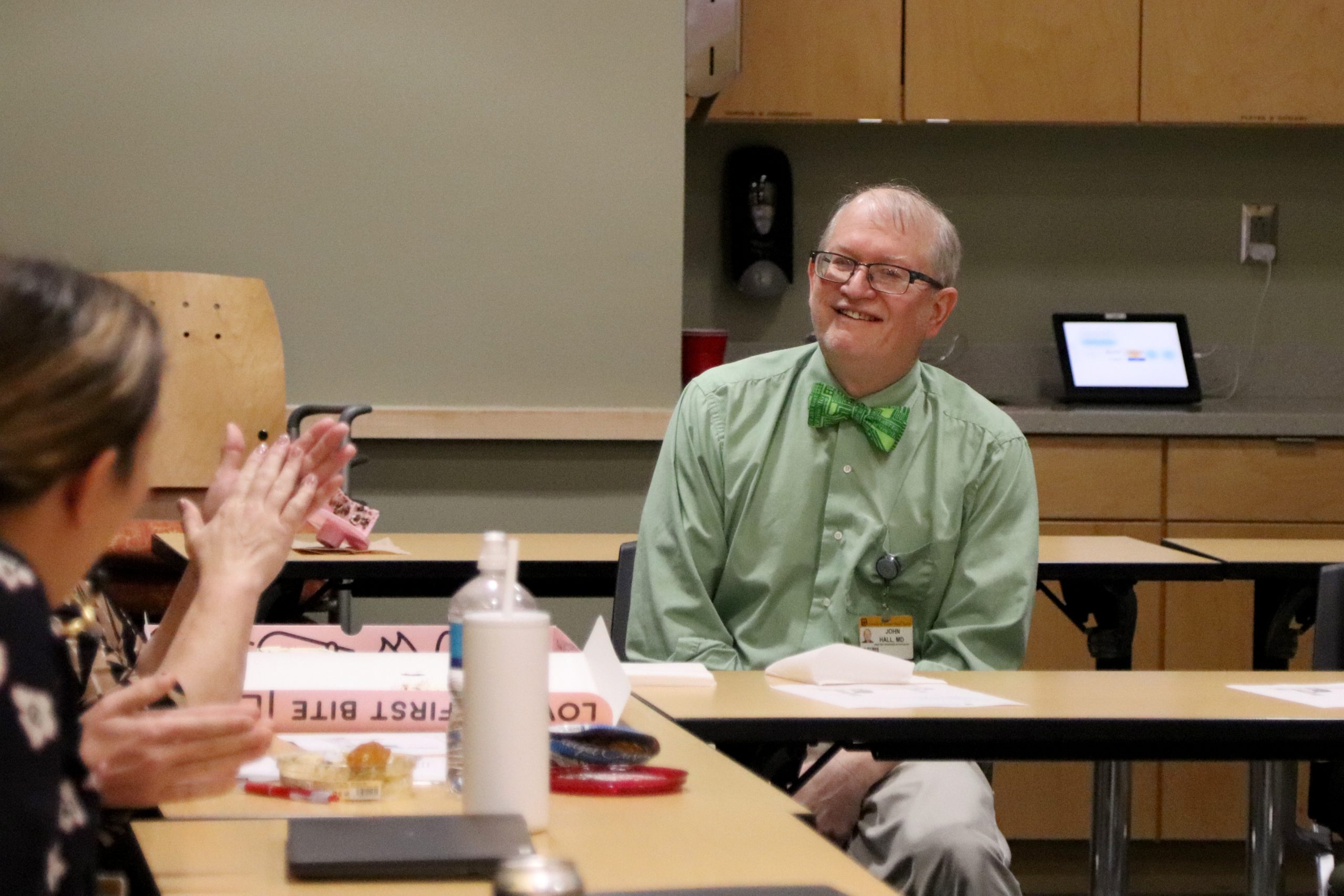
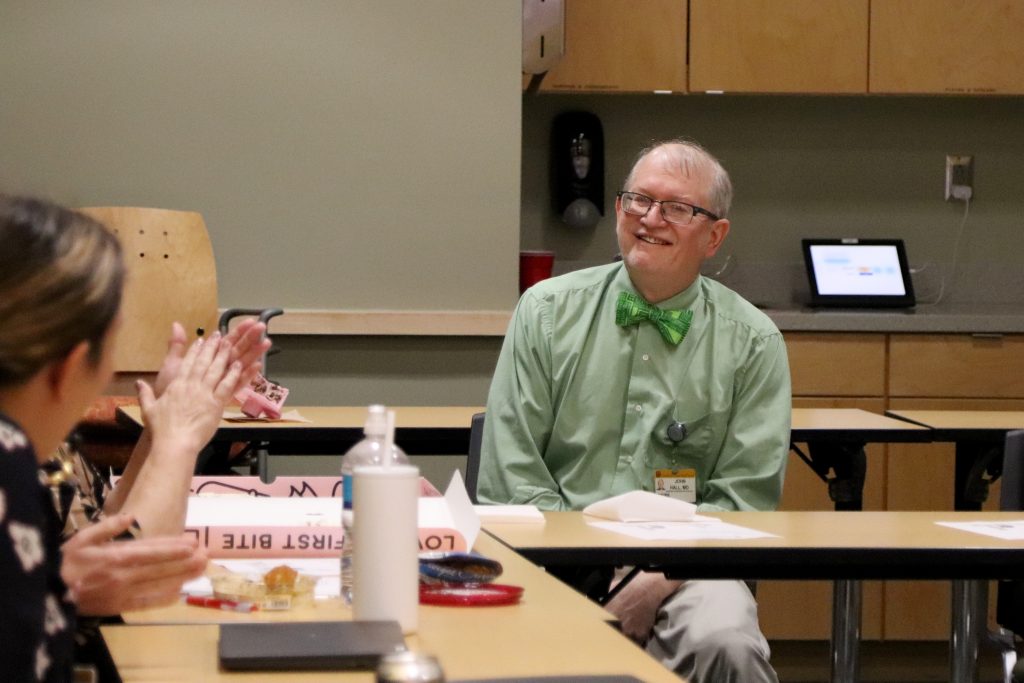
Dr. Hall’s surprised reaction to learning he was nominated for the Top PIQ awardDr. Hall displaying his certificate of nomination with other Thompson Center medical team members
Shelby Hert, LMSW
The Thompson Center’s new Family Resource Services team was established and supervised by Shelby this year.
Shelby is passionate about supporting families and engaged in the Thompson Center’s mission.
Her expertise is essential for guiding families through challenging situations.
Shelby is prompt in her communication, thorough in task completion, and willing to fill in wherever she is needed.
Shelby’s work helps every division at the Thompson Center in one way or another.
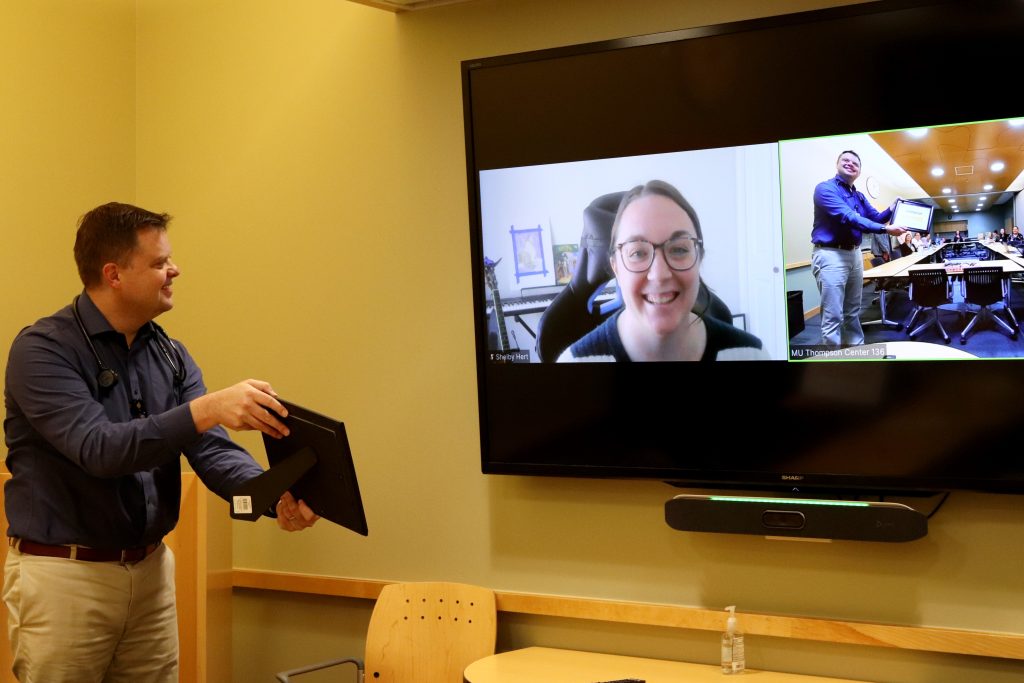
Dr. Black presents Shelby with her nomination certificate while she attends the medical division meeting via ZoomMembers of the Thompson Center’s medical team surround a TV screen showing Shelby on a Zoom call after her Top PIQ nomination is announced
Lauren Sapp, B.S.
As a psychometrist, Lauren administers complex assessments with compassion and patience.
Lauren has effectively worked with patients that other parties have deemed “untestable” and “immeasurable.”
Lauren is Research Reliable on the ADOS-2, which allows her to support the Thompson Center’s CASE clinic and work across clinical divisions.
Lauren trains and mentors other psychometrists, trainees, and even some providers when learning new measures.
Lauren has been involved in many of the Thompson Center’s recent innovations, including the foster care clinical team and leading organization of test protocols and materials.
Congratulations to all this year’s Top PIQ nominees! It is because of your professionalism, initiative, and quality that our center succeeds in our mission to support individuals with autism and other neurodevelopmental conditions, as well as their families.
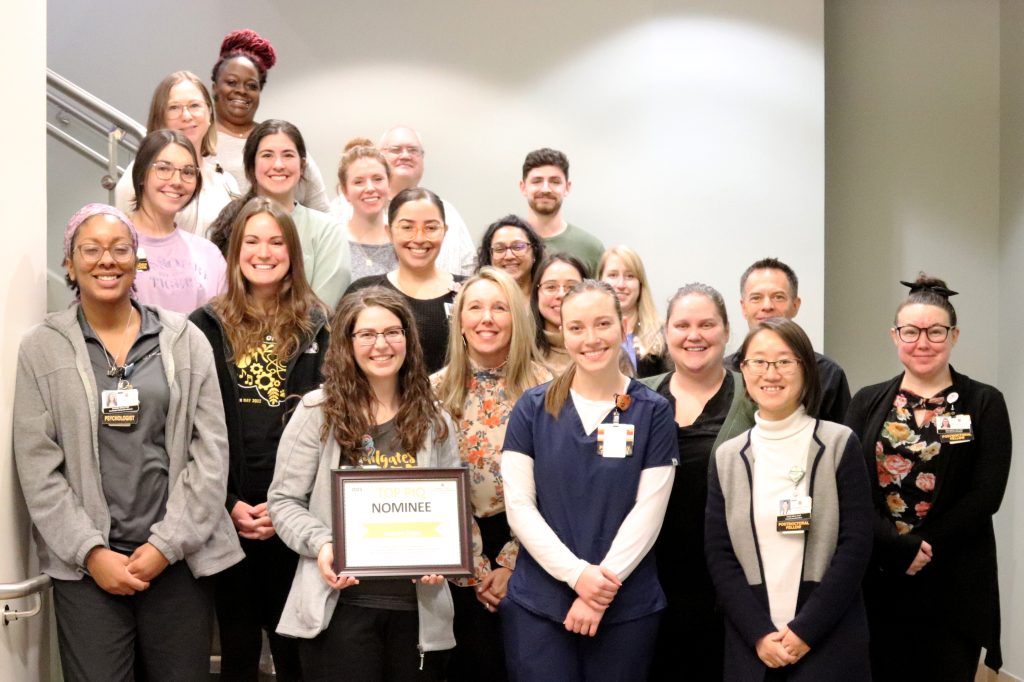
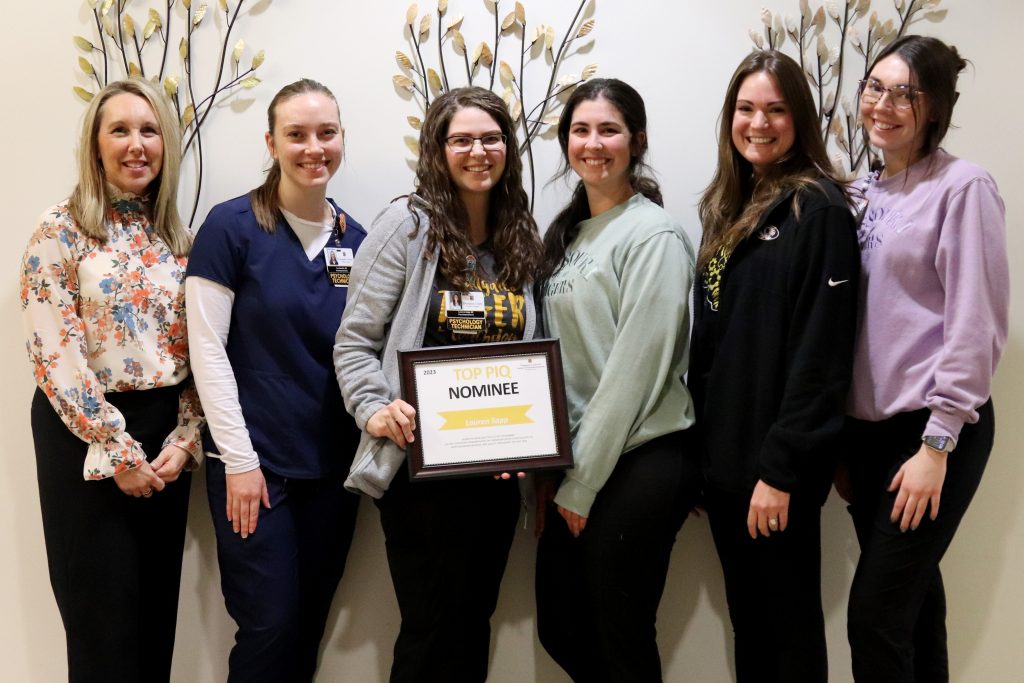
Lauren displays her nomination certificate surrounded by members of the Thompson Center’s health professions teamLauren holds her certificate alongside the health professions division director and her fellow psychometrists
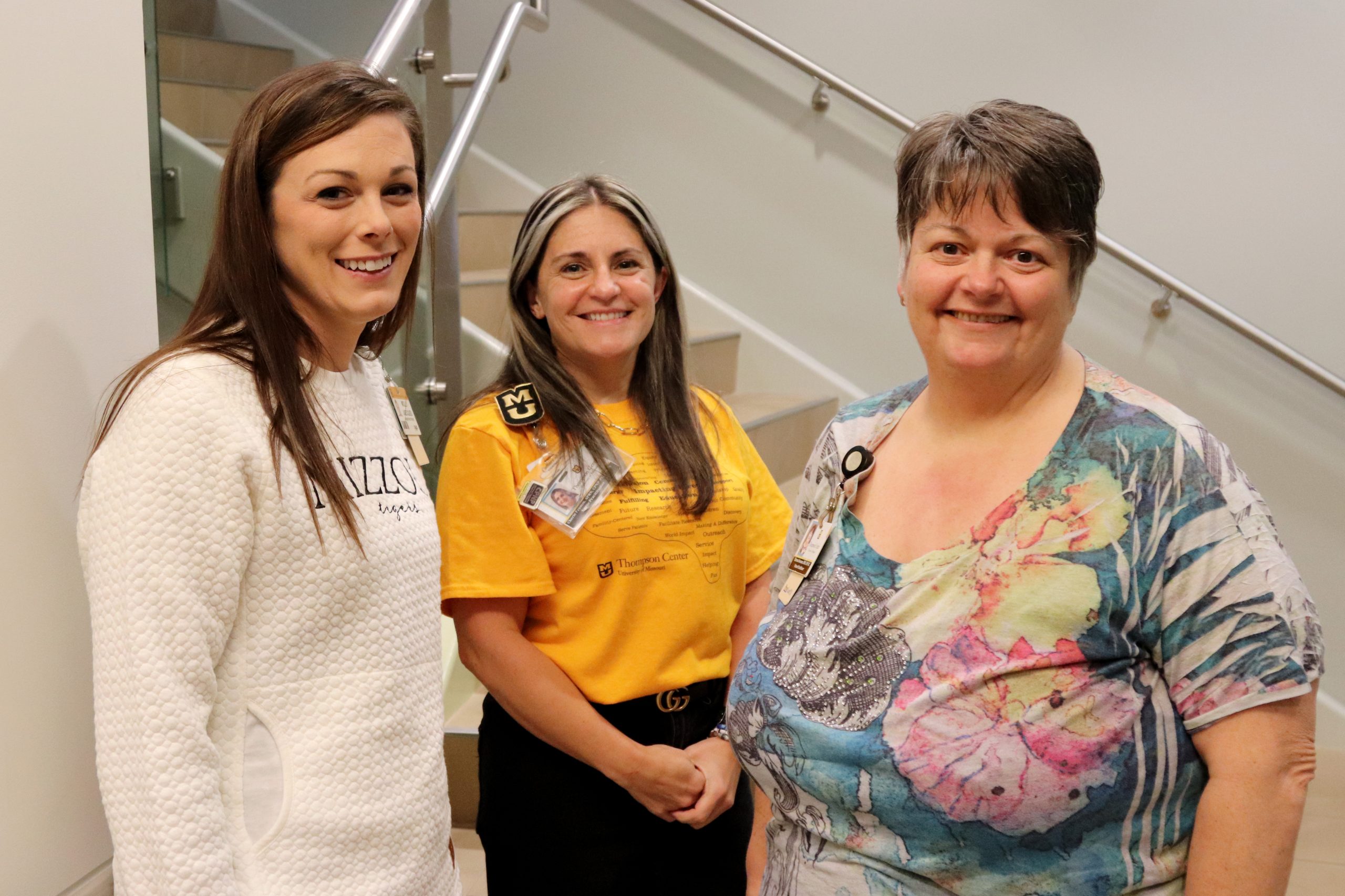
National Nurse Practitioners Week took place November 12-18, 2023. We are fortunate to have three stellar nurse practitioners on the Thompson Center team, pictured above from left to right: Molly Jaecques, Cherie Fromm, and Theresa Swenson.
Congratulations to Ali Cooper, senior behavior analyst at the Thompson Center, on her re-election as the president of the Missouri Association for Behavior Analysis (MOABA)! MOABA is an organization founded to support and promote scientific research on basic principles of behavior and the effective and ethical application of those principles. The organization hosts a summer workshop and an annual conference each year in pursuit of that goal. As president, Cooper’s primary responsibility is to coordinate these events in collaboration with other board members. She will continue to oversee board meetings and committees, organize conference details, and report to MOABA’s affiliate organization, ABAI.
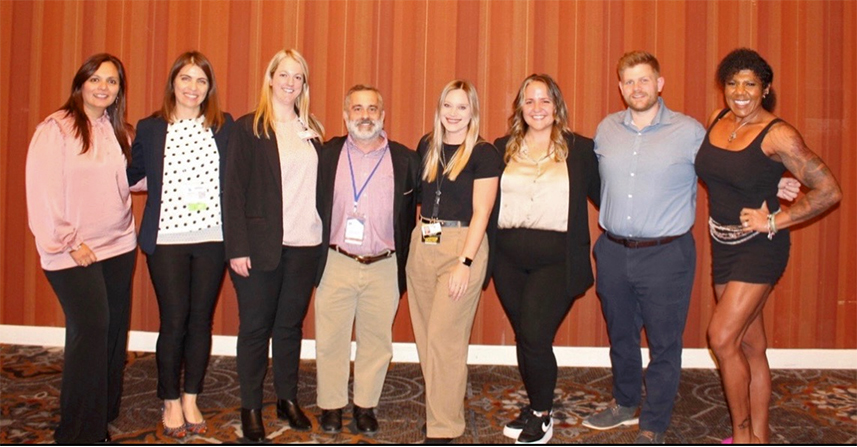
Photo: MOABA board members at November 2023 annual conference, from left to right Sadiqa Reza (member at large), Dr. Andresa De Souza (Treasurer), Madeline Burke (Past President), John Guercio (Member at Large), Ali Cooper (President-Elect), Madison Imler (student representative), Dr. Jordan Belisle (president) and Miin An Hosic (Secretary)
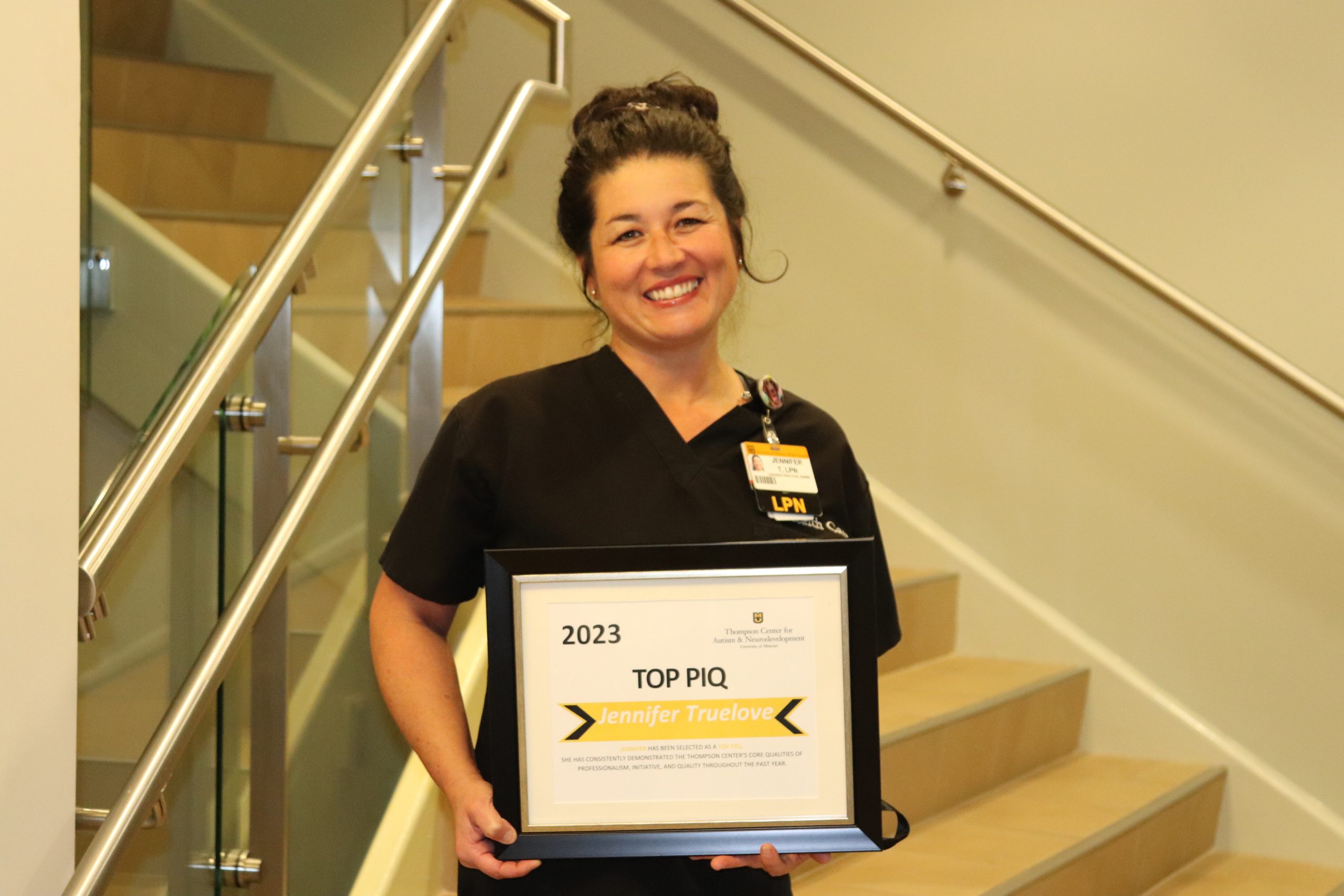
All throughout the year, the Thompson Center PIQ program recognizes our team members for a professionalism, initiative, and quality (PIQ). Every fall we have the opportunity to nominate team members for Top PIQ. This year Jennifer Truelove was the Thompson Center’s Top PIQ! Jennifer received nominations from multiple divisions across the Center, highlighting the impact she has across all teams. Jennifer’s enthusiasm for our patients, joy in work, and her drive to make an impact is an incredible example for all of our team members.
A few words about Jennifer from her nominators:
Exemplifies genuine care for all patients and is a shining star for all of us with her positive approach to all situations.
Jennifer is:
Energetic
Enthusiastic
Quick to crack a joke
Hardworking
Friendly to everyone she meets
Miniature cornhole champion
Make the medical hallway festive with decorations
Held down the fort as we rebuilt our nursing team
Quick to help others (even clearing plates at employee events!)
Jen is the definition of professionalism, initiative, and quality.
She is always finding ways to make communication and service for our families better (i.e. making a genetic testing order sheet, serving families food in cerebral palsy clinic, etc.) – Initiative!
She knows our patient population best and always finds a way to meet them where they are (i.e. getting vitals even on some of the trickiest patients) – Quality!
Jen seems to be this shining light that can bring all the departments together. She makes her rounds in all hallways and departments, she knows everyone’s name and make sure we all feel like a part of the bigger picture here at the Thompson Center. Despite her YEARS of experience here she remains so humble in her role and continues to go above and beyond. – Professionalism!
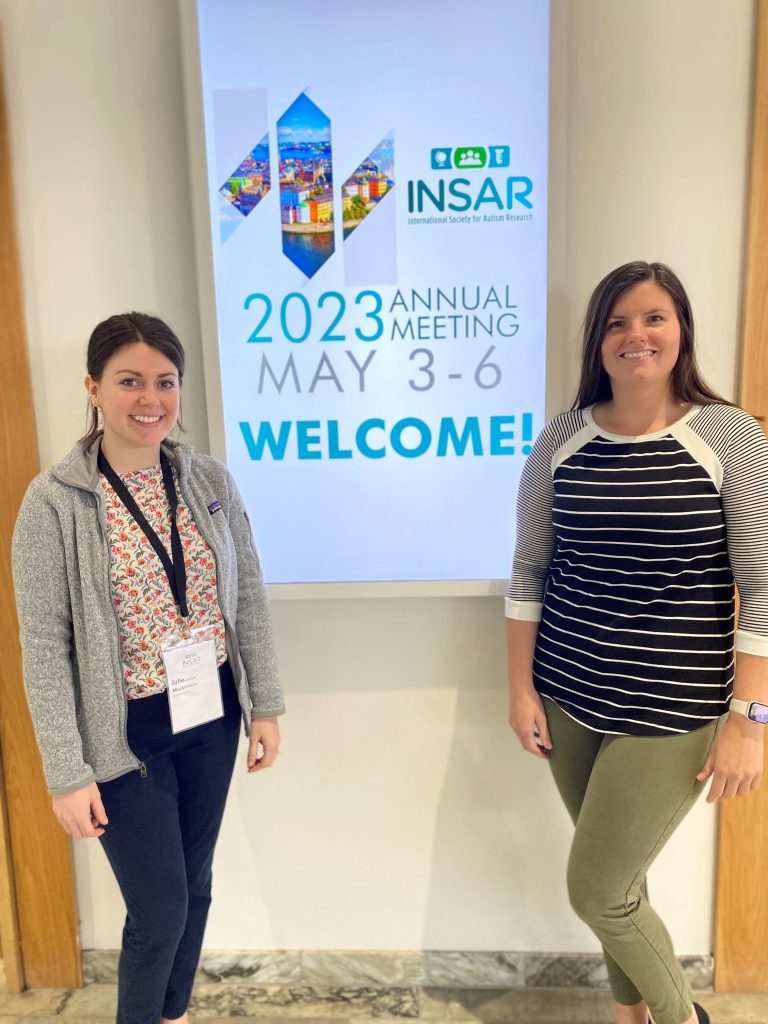
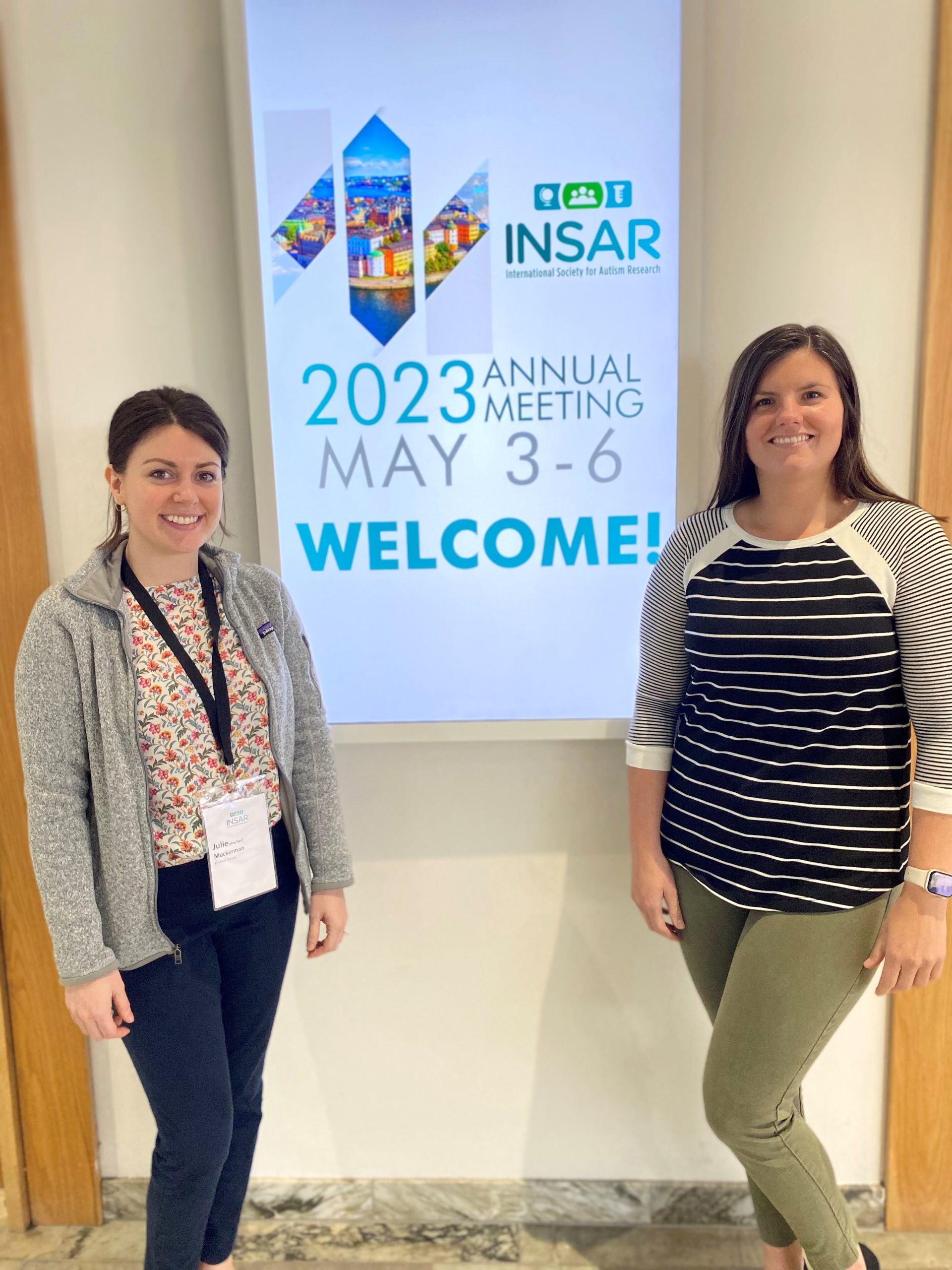
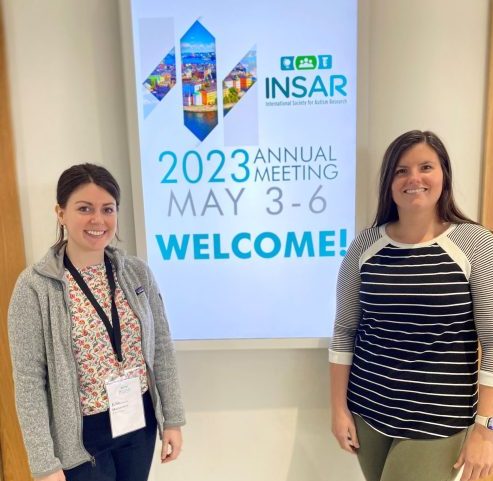
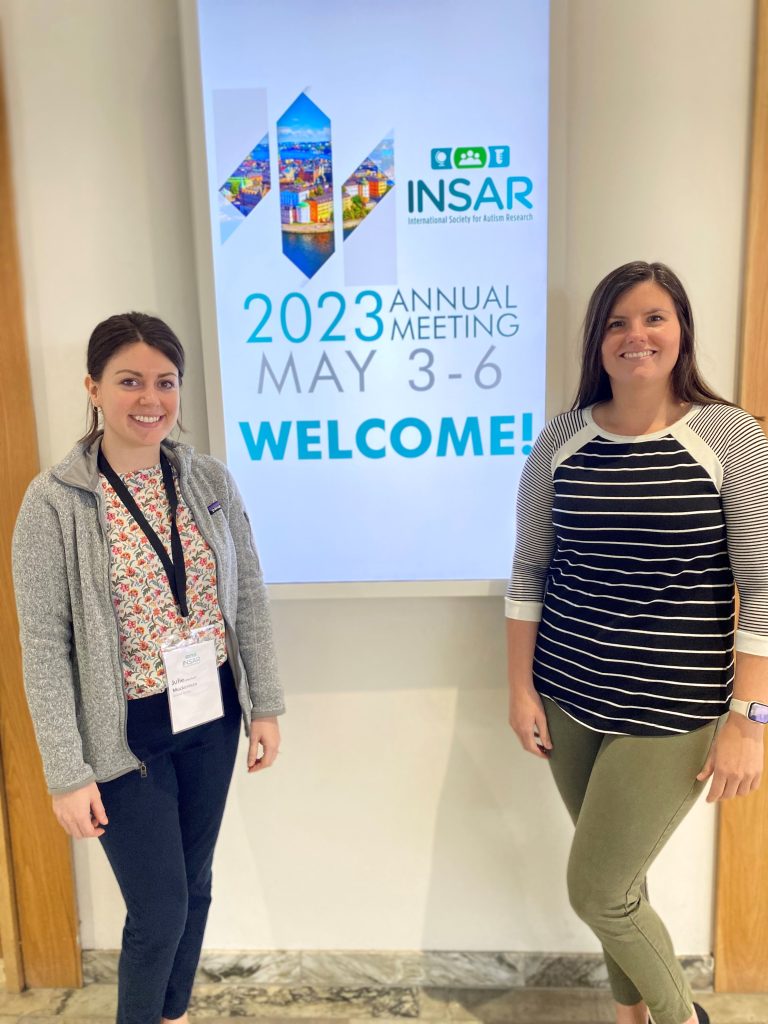
Several Thompson Center researchers attended the International Society for Autism Research (INSAR) Annual Meeting in Stockholm, Sweden in May, including Research Core staff members Julie Muckerman (left) and Samantha Hunter (right).
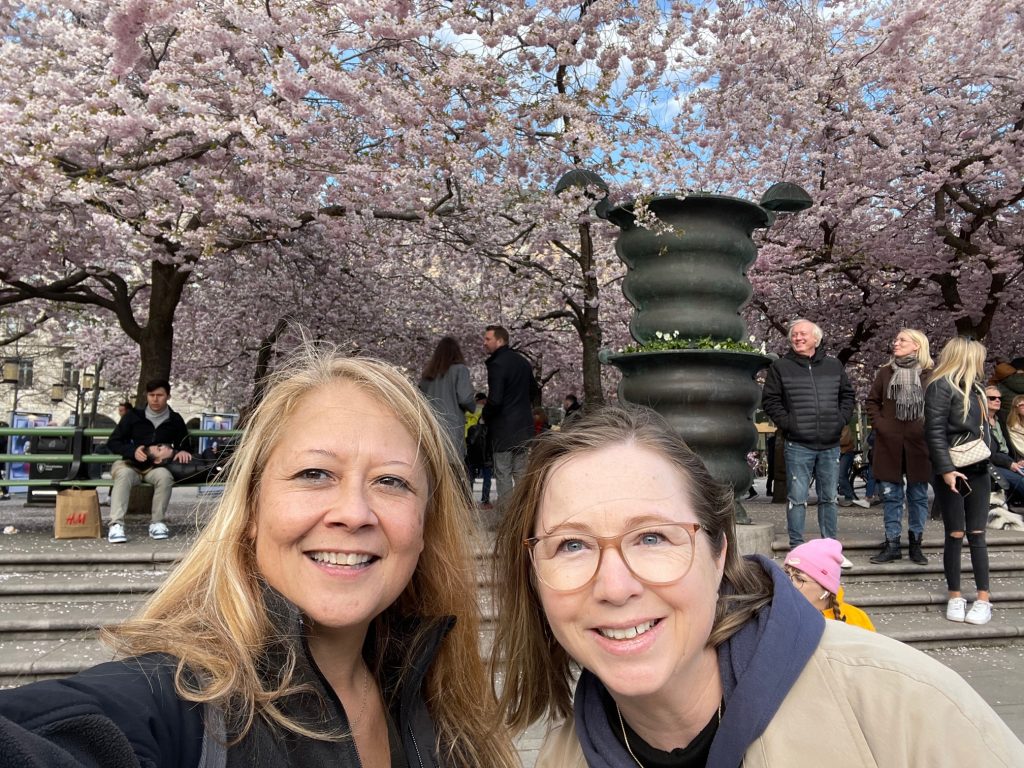
Research Core Manager Nicole Takahashi (left) and Dr. Kerri Nowell (right) explored Stockholm between sessions.
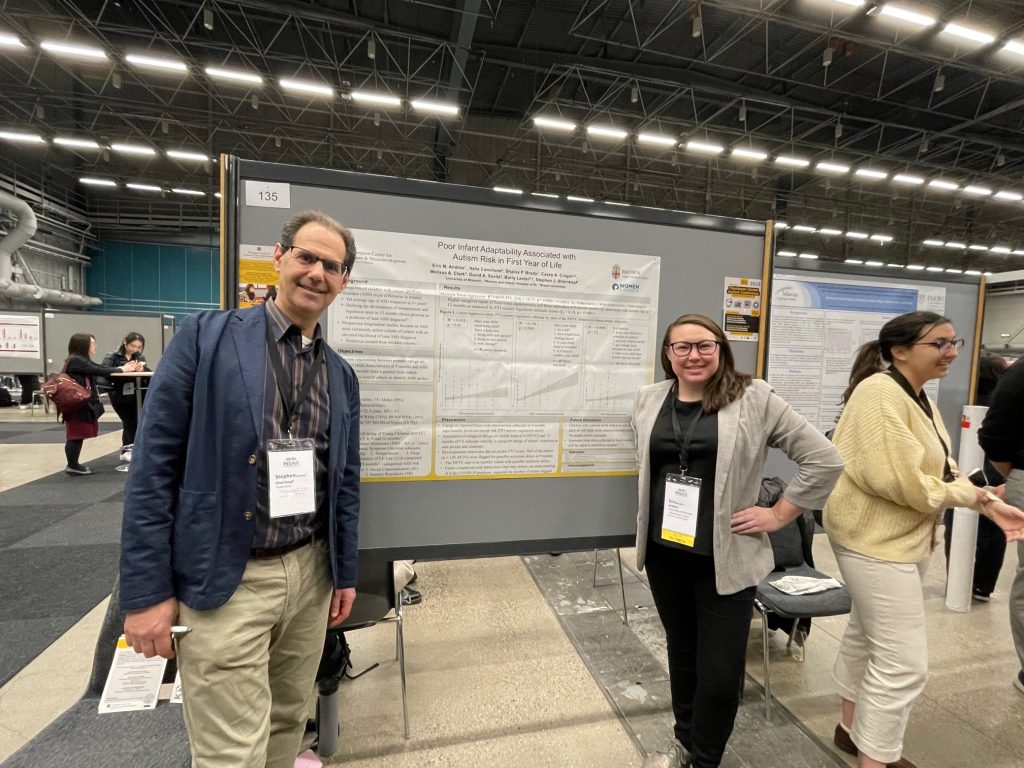
Dr. Sheinkopf (left) and postdoctoral researcher Erin Andres (right) were among the Thompson Center representatives to present at the INSAR meeting.
Undergraduate researchers Noura Alhachami (center) Avarind Kalathil (right) posed with MU President Mun Choi (left) at the University of Missouri’s annual Undergraduate Research Day at the Missouri State Capitol.
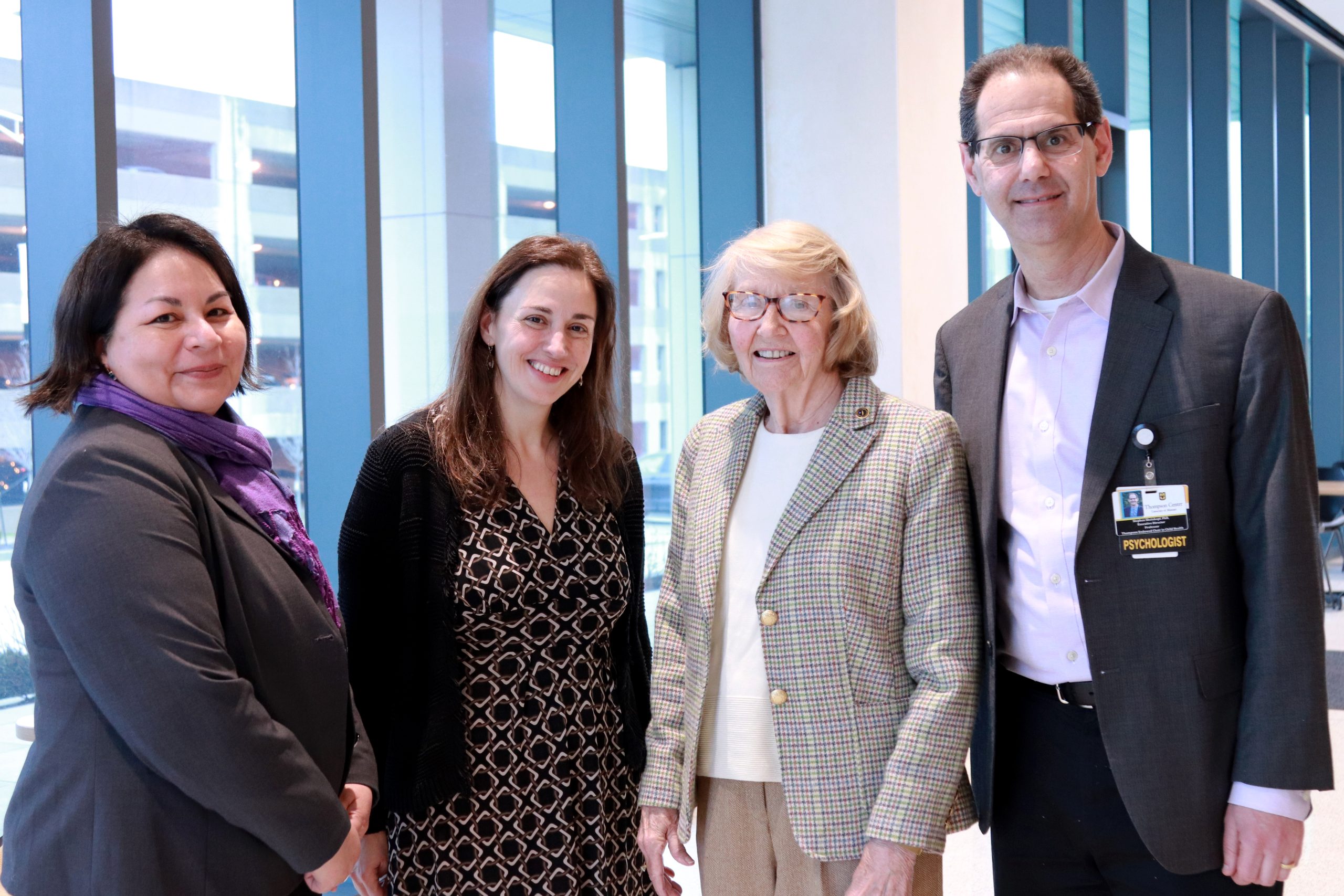
The Thompson Center hosted its Spring Research Symposium at the NextGen Precision Health Building in March. Speakers were Drs. Sofia Lizarraga (Brown University) and Evdokia Anagnostou (University of Toronto). A special presentation honored Dr. Judy Miles for her many years of dedication to autism research and programming in Missouri.
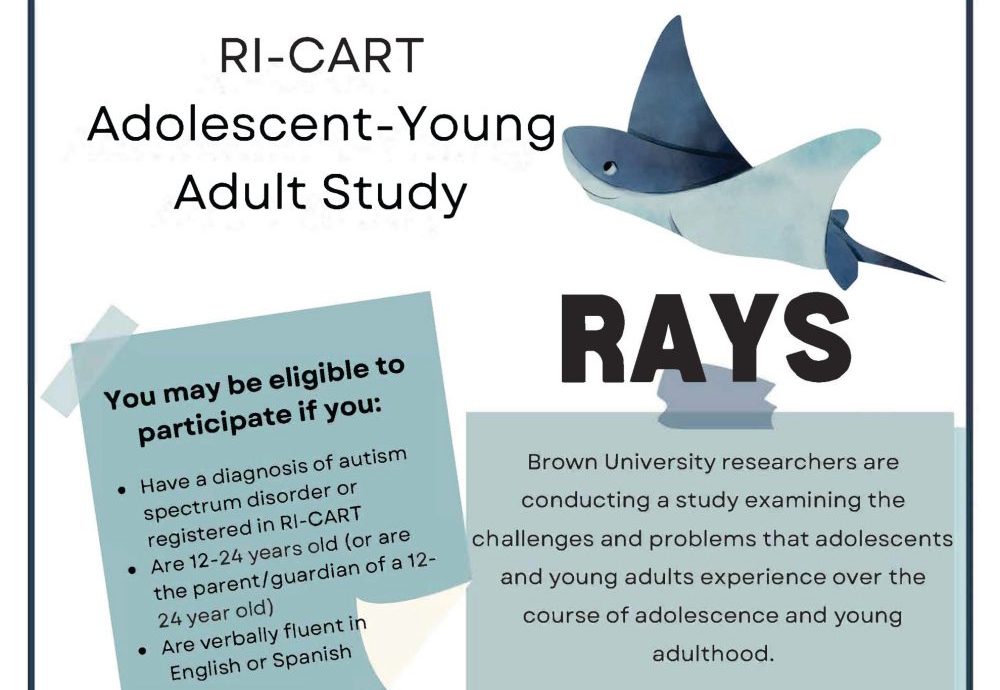
Individuals often begin to drink alcohol during adolescence and early adulthood. But how does this phase of life unfold for autistic teens and young adults compared with their neurotypical peers?
One study at the Thompson Center for Autism & Neurodevelopment at the University of Missouri is focused on investigating the coming of age of autistic teens, particularly in terms of substance use, mental health, and socialization.
This study is an outgrowth of the Rhode Island Consortium for Autism Research and Treatment (RI-CART), which was funded by the Simons Foundation Autism Research Initiative (SFARI) and led by Dr. Stephen Sheinkopf, prior to his role as executive director of the Thompson Center. The RI-CART Adolescent-Young Adult Study (RAYS) is now a collaborative effort between the Thompson Center and Brown University and is funded by the National Institutes of Health (NIH). RAYS launched in 2021 and is jointly directed by Dr. Sheinkopf, Dr. Christina Jackson from Brown University’s Center for Alcohol and Addiction Studies, and Dr. Anthony Spirito, an expert in adolescent mental health at Brown University’s Department of Psychiatry and Human Behavior.
RAYS is following individuals ages 12-24 years using an accelerated longitudinal design. To do so, each participant is studied for a three-year period. Then, advanced research methods are used to compile the data and derive a pattern of what development trends look like across the full age range. RAYS is conducted 100% online using annual surveys that ask questions about the participant’s social environment, mental health, and alcohol and drug use.
The information collected in this study will help researchers begin to understand ways that alcohol use and experiences in autistic young adulthood are similar to or different from that of their typically developing peers, an area that has been the subject of very few studies in the past. Further analysis and data collection could identify additional variables that may be indicators of risk for drug or alcohol abuse or mental health problems, specifically for young adults with autism.
More than 120 autistic teens and young adults have participated in the RAYS project so far, with more than 30% enrolling through the Thompson Center. RAYS will be accepting new study participants through 2024. Eligible adolescents and young adults with a professional autism diagnosis can earn up to $395 for completing the study and their parent or caregiver can earn up to $225. Learn more about getting involved in this study and others at thompsoncenter.missouri.edu/autism-research/join-a-study/.