Skip to content

We’re here to help.

Our compassionate and knowledgeable team is here to address your unique needs and provide the best possible care for your child’s neurodevelopmental journey.

Learn more

Teaching for a stronger community.

We are here to equip learners with the essentials skills needed to create positive change in the lives of people with developmental differences.

Learn more

Researching for a better tomorrow.

Our goal is to unlock discoveries that will revolutionize the lives of individuals with autism and other neurodevelopmental diagnoses.

Learn more

Researchers & Studies

Join A Study

We’re here to help.

Our compassionate and knowledgeable team is here to address your unique needs and provide the best possible care for your child’s neurodevelopmental journey.

Learn more

Teaching for a stronger community.

We are here to equip learners with the essentials skills needed to create positive change in the lives of people with developmental differences.

Learn more

Researching for a better tomorrow.

Our goal is to unlock discoveries that will revolutionize the lives of individuals with autism and other neurodevelopmental diagnoses.

Learn more

Thompson Center for Autism & Neurodevelopment

205 Portland Street, Columbia, MO 65211

573-884-6052

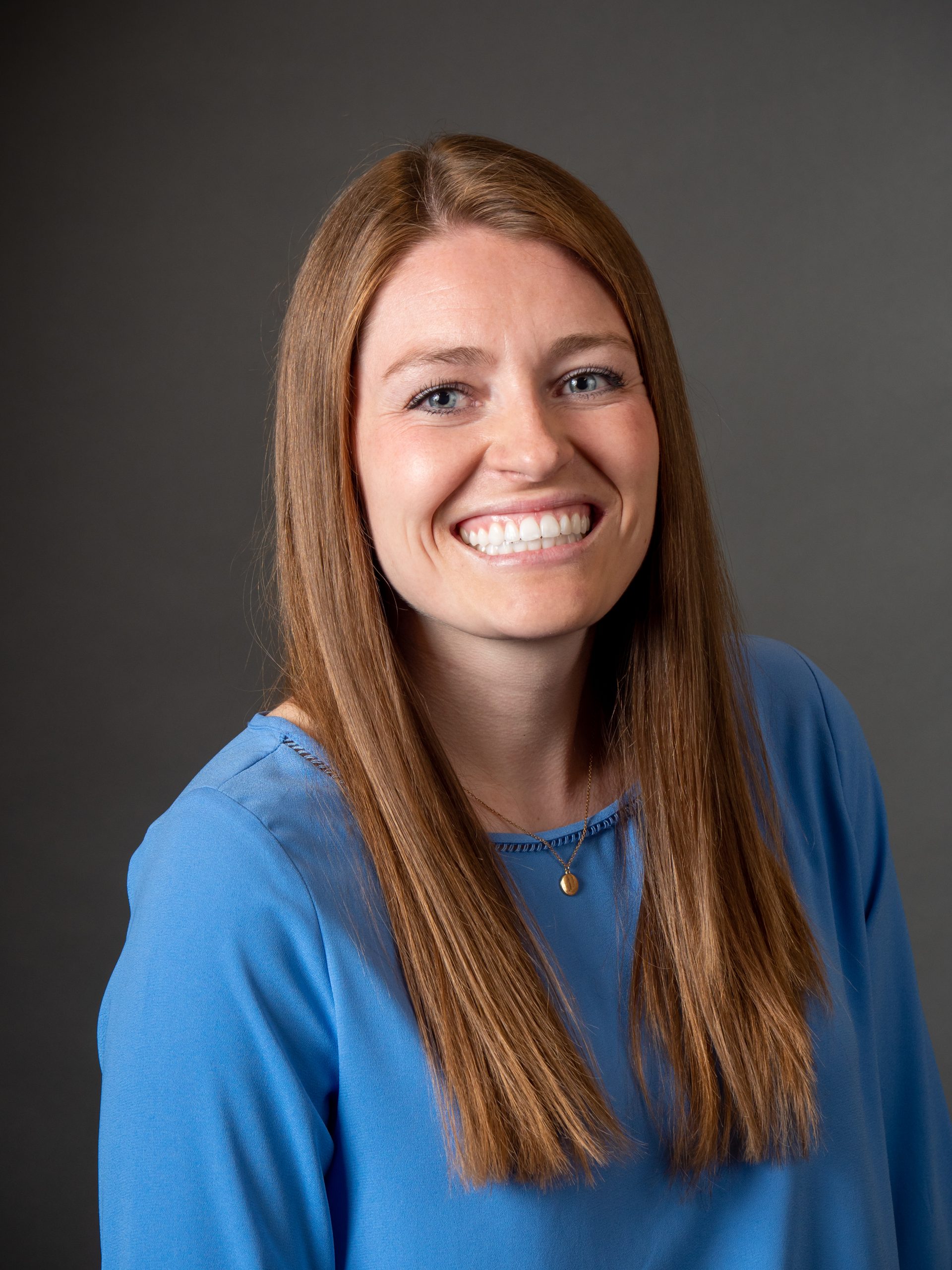
Training Spotlight: Mackenzie Cissne

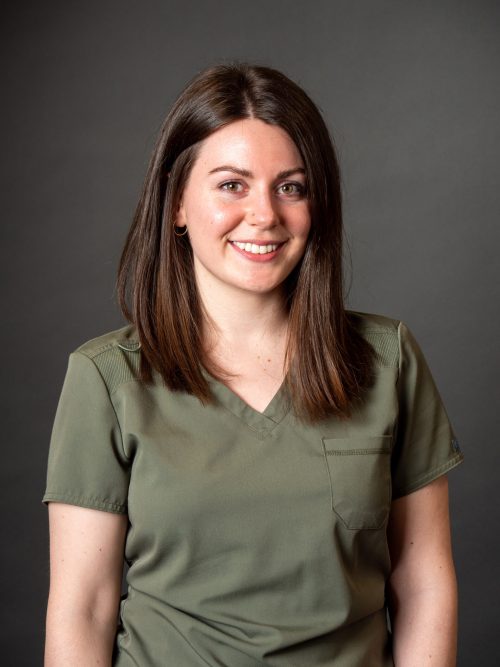
Mackenzie Cissne joined the Thompson Center in June 2021 as a graduate research assistant working with Dr. Kerri Nowell. Mackenzie is also working with Dr. Connie Brooks and Dr. Michael Morhland on the psychology team as a practicum student. Her research areas of interest include cognitive and functional outcomes of individuals with developmental disorders, specifically outcomes in executive functioning, including inhibitory control, working memory, flexibility, and metacognition.

Tell us about your educational background.

I received my Bachelor of Arts in psychology from the University of Nebraska in 2018, my Master of Arts in clinical psychology from the University of Missouri in 2022, and I am pursuing my Ph.D. in clinical psychology from the University of Missouri.

What brought you to the Thompson Center?

During my first year of graduate school, I worked with Dr. Christina McCrae, a research collaborator of the Thompson Center, on a clinical trial investigating a cognitive behavioral therapy for insomnia in children with autism. Through this collaboration, I came to know and love the Thompson Center research team, our values, and our patients, and I happily accepted an invitation to join the research core more officially to work with Dr. Kerri Nowell.

How did you first get involved with autism research?

During my undergraduate and post-baccalaureate career, I was involved with research studying cognitive outcomes and neural underpinnings of individuals with traumatic brain injury. I knew I wanted to continue pursuing research in cognitive outcomes, especially in executive functioning, but I became interested in exploring these outcomes in children with autism. I then joined the clinical psychology doctoral program at Mizzou to pursue this research.

What’s your favorite thing about working in this field?

First, I love our patients and families! Beyond that, I have a passion for diagnostic and neuropsychological assessment in pediatric populations, as early diagnosis can lead to early intervention and support for our patients.

What study have you been most excited to be involved in?

I have been involved in several studies at the Thompson Center investigating whether technology can be used as a tool to help clinicians in diagnosing the presence and severity of autism spectrum disorder. These studies have given me the unique opportunity to join the clinical team during autism diagnostic appointments, which has helped grow my skills in psychological assessment, case conceptualization, and diagnostic decision-making. One of these studies was particularly exciting because we collaborated with pediatric healthcare clinics in Columbia to conduct our research during well-child visits.

What are your plans for after your time as a trainee?

Following my time as a graduate trainee, I plan to complete a pre-doctoral internship in clinical neuropsychology, followed by a postdoctoral fellowship in clinical neuropsychology, and eventually practice as a licensed clinical neuropsychologist.

How do you think your time at the Thompson Center will influence the direction of your career?

The Thompson Center has been one of if not the most valuable experience I’ve had in my graduate training. A few approaches I hope to incorporate in my future career are interdisciplinary collaboration, family-centered care, and an emphasis on training and supervision.

Postdoctoral Fellow Awarded National Institute of Mental Health F32 Grant

Erin Andres, Ph.D. has been awarded an individual postdoctoral fellowship (F32) by the National Institute of Mental Health to support training and a specific research project. The F32 fellowship grants are part of a prestigious program of the National Institutes of Health to invest in and promote talented early-stage researchers.

Dr. Andres’ research project will build on and expand work in Dr. Stephen Sheinkopf’s research group, bringing in new ideas to the team’s ongoing studies of infant cries in relation to developmental outcomes. She will be investigating what caregivers think or perceive about infant cries (e.g., how distressed an infant sounds) and how a caregiver’s perception influences the caregiver-infant interactions.

Her fellowship also includes a range of training experiences, including deepening her knowledge of the clinical characteristics of autism, acoustic analysis methods, and advanced statistical methods. The fellowship also supports her professional development through multiple activities including presenting scientific findings to different types of audiences. The training and mentorship team includes Drs. Stephen Sheinkopf and Connie Brooks at the Thomspon Center, Dr. Phil Wood in the University of Missouri’s Department of Psychological Sciences, and Dr. Gordon Ramsay at the Marcus Autism Center at Emory University.

Dr. Andres’ background is in applying family-based genetic analysis to the study of language impairment. As she moves her clinical research focus to autism and other neurodevelopmental conditions, this fellowship will support her in becoming an independent researcher and her goal to contribute to more precise behavioral measurement for use in future genetic investigation of language impairment and autism.

Dr. Andres will collect new data from caregivers about their perception of prerecorded infant cries and analyze existing data collected by researchers at the Marcus Autism Center.

Thompson Center Psychometry Team Assists with EarliTec Study

The Thompson Center offers a space for collaboration between departments within the center. This cross-collaboration allows for staff to provide support for projects within their area of expertise, while fostering an environment for learning new skills and for the expansions of a project’s impact.

An example of an interdepartmental collaboration at the Thompson Center is between the psychometry team and the Research Core. Psychometrists provide cognitive or developmental assessment support for the Research Core’s EarliTec Study. The psychometrists administer the assessments, score them, and compile the data for the researchers.

The EarliTec Study started at the Thompson Center in October 2023. This study uses a tablet device called the EarliPoint Evaluation for Autism Spectrum Disorder to track the child’s eye movements in response to stimuli. These eye movements are fed into an algorithm that shows the likelihood of autism versus no autism. After the child has gone through this eye tracking simulation, one of the psychometrists will do cognitive or developmental testing and collect behavior observations that are useful during the clinical portion of the child’s visit.

Peyton Matthews, a psychometrist I at the Thompson Center, has been involved in the EarliTec Study. “I personally enjoy getting to expand my knowledge about autism and new technology in the autism world,” Peyton said about her involvement in the EarliTec Study. “I have taken a more intense interest in helping with research as a psychometrist and feel as though opportunities like these broaden my perspective of not only autism, but the impact that our jobs can make in this field.”

Thompson Center Senior Psychometrist Courtney Oden also talked about the impact that being part of this study has had on her and her team. “Being able to contribute to the study and assist our Research Core is valuable for our professional growth as we extend beyond just clinical work,” said Courtney. “We enjoy getting to collaborate with other divisions within the center and expand our knowledge of autism and autism research.”

This is just one example of the interdepartmental collaborations that takes place at the Thompson Center. These collaborations are an important part of the work that’s done at the center because it fosters the growth of current skills and the space to acquire new skills.

Working Together: Interdisciplinary Research in Autism & Neurodevelopment

As part of the University of Missouri, the Thompson Center is fortunate to be able to collaborate with researchers from a variety of disciplines to further our understanding and expand services available to people with autism and other neurodevelopmental diagnoses.

The Research Core at the Thompson Center serves as a central resource to support, facilitate, and encourage high-impact, multidisciplinary research into the causes, pathophysiology, medical and behavioral differences, and treatment strategies for autism and other neurodevelopmental diagnoses. Research Core staff work jointly with research faculty at the Thompson Center and throughout the University of Missouri to store and access data from multiple studies, facilitate research subject recruitment including access to patient populations, and provide research-grade psychometric testing by certified autism psychometricians available to research teams gathering new data.

The following researchers are among the many collaborating with the Thompson Center Research Core on their studies:

Dr. Laura Morett, Speech, Language, and Hearing Sciences, investigating the use of gestures as part of communication among those with ASD

Dr. Laura Morett and her team are recruiting for a new study that seeks to understand the relationship between gestures and language in individuals with autism, with the hopes of shedding light on the underlying mechanisms of communication differences experienced by many autistic individuals. The dynamic between gesture and speech is often taken for granted in neurotypical individuals but is often marked by disruption for people who are neurodivergent. Previous research has shown atypical activity and connectivity in the brains of autistic people in terms of social-communication, but the specific nuances of gesture-speech integration have remained largely unexplored.

For this study, children with and without autism will participate in tasks that involve only gestures, only spoken words, or a combination of gestures and spoken words. The researchers will use cutting-edge technology known as functional near infrared spectroscopy (fNIRS) to monitor brain activity throughout the tasks.

The research team is excited to utilize fNIRS in a new context. “We think it’s pretty cool because no other studies have done this before,” says Dr. Morett, “and our findings may be able to inform future interventions for kids with ASD and help reduce social-communicative barriers for them.”

Dr. Paul Carney, Pediatric Neurology, seeking treatment for the rare disorder, Baker-Gordon Syndrome

Baker-Gordon Syndrome is a rare, genetic form of autism resulting from a critical protein in the brain–called Synaptotagmin 1 or SYT1–not functioning properly. Children and adults with Baker-Gordon Syndrome have a variety of symptoms, ranging from intellectual disability, autism, behavioral problems, repetitive behaviors, problems with sleep, and even seizures in some cases.

Dr. Paul Carney was introduced to Baker-Gordon Syndrome just two years ago, when he evaluated a five-year-old patient at the Thompson Center for developmental delay. After an extensive evaluation, he discovered she had a SYT1 mutation. Dr. Carney did some research on the mutation and found that it had only recently been reported for the first time in England. After telling the patient’s parents that there were no known treatments for the disorder, the family raised $250,000 in just two weeks to start a pilot research program.

Dr. Carney and his team are ultimately trying to develop a novel treatment for children with Baker-Gordon Syndrome by leveraging models, cellular systems, and bioinformatics. They are working with the National Institutes of Health toward understanding the natural history of the disorder through parent interviews, onsite testing, brain imaging, and advanced genetics. Through collaboration with partners in bioinformatics, the team is using the information they’ve collected in conjunction with artificial intelligence to identify new purposes for existing medications.

In addition to research activities, this project also sparked a clinical component. Dr. Carney collaborated with Dr. Benjamin Black to start the MU Child Neurologic Rare Disease Clinic at the Thompson Center in 2022. This specialized clinic allows patients with Baker-Gordon Syndrome and other rare neurodevelopmental conditions to see a multidisciplinary healthcare team–including a developmental-behavioral pediatrician, child neurologist, genetic counselor, and social worker–all in one appointment. Dr. Black reflected on the impact the clinic has had on the Thompson Center: “We’ve all learned a lot through our clinical care in the Rare Disease Clinic, and that helps us all become better at what we do.”

In his 20 years as a pediatric neurologist and researcher, this project stands out to Dr. Carney because of the dedicated and passionate group of parents involved. The families have given input on what should be studied, raised research funds, and networked with other rare disease groups, researchers, and industry partners. “For a clinical scientist like me,” says Dr. Carney, “to have the trust of so many families is humbling.”

The Baker-Gordon Syndrome Foundation was formed by and for families to further this project. Their website, https://www.bagosfoundation.org/, has more information about the condition and a registry form for parents of children with Baker-Gordon Syndrome to fill out to get involved.

Dr. Brad Ferguson, Health Psychology and Radiology, & Dr. Fang Wang, Engineering, testing new technology to measure social communication outcomes

As an autism researcher, Dr. Brad Ferguson was often asking parents “how social has your child been over the past month?” It’s a difficult question for parents to quantify, and their answers can’t account for experiences their children have outside of the home at school or with friends. Relying on parent feedback to measure social communication often leads to inconsistent research findings.

Dr. Ferguson, along with Dr. David Beversdorf from the Thompson Center, reached out to Dr. Fang Wang from the MU College of Engineering to develop a new way to measure social interactions using technology. The result was an app for smartwatches called CORE Autism, which is currently being tested in the real world environment. Study participants first come to the Thompson Center to obtain a smartwatch that has the CORE Autism app installed. As part of the setup, the wearer’s voice is registered with the app so it can determine their voice compared to others. Then, as the study participant wears the watch for 2-3 weeks, it records the voices of the wearer and the people around them. The app automatically process the voices and sends the data to a dashboard for the research team. At the end of the study, the participant returns the watch and provides feedback on their experience.

This phase of the study is focused primarily on making sure the app consistently reports accurate data. The research team is manually analyzing the voice recordings and comparing their results to that of the app. The next step will be to develop ways for the app to determine if the wearer of the watch is experiencing anxiety or other emotions during a social interaction. Another possible way to further analyze the data in the future is to use a smartwatch’s location information to map where certain types of socialization are occurring. For example, this could show researchers whether a student engages in more conversation at home or at school.

The ultimate goals is to be able to use CORE Autism as a way to measure social communication outcomes during clinical trials testing potential treatments for autism and a variety of other groups, such as elderly people and stroke patients. When the measurements of the outcomes are more precise, it is easier to determine whether a particular therapy or medication is truly making a difference on a person’s social communication. This technology also has the potential to help clinicians monitor patients who are receiving treatments targeting verbal social abilities; these providers would be able to make adjustments to the treatment plan using remote feedback and without additional office visits.


Thompson Foundation, ACE Program Receive Local Impact Grant

The Thompson Foundation for Autism & Neurodevelopment was awarded the Autism Speaks 2023 Local Impact Grant. The funding will go towards funding the Thompson Center’s Accessing Career Experiences (ACE) program. This grant was awarded to 23 organizations from 13 states that serve the autism community.

What is ACE?

ACE is a nine-month post-secondary employment program that offers independence and employment skill development for individuals 18-30 years old with autism and an intellectual disability. Components of ACE are direct instruction led by a behavior analyst, on the job coaching, and resume and interview skill development. Jennifer DeLaporte, ACE program coordinator and behavior analyst at the Thompson Center, said that ACE is a passion project for her: “It’s a program that creates access to career experiences and an opportunity for individuals to gain skills that they are capable of with the support that they need.” This is ACE’s first year and Jennifer has hopes to continue to expand in the coming years.

ACE’s Impact on the First Cohort

When discussing the impact that the ACE program has had on the two participants, Jordan Mayes and Taylor Wainscott, Jennifer said, “I have really seen them grow in their confidence and be able to push themselves outside of their comfort zone.” Among other things, Jordan says the ACE program taught him “how to host a podcast, how to make a resume, a PowerPoint presentation, an email, and how to put things on a calendar.”

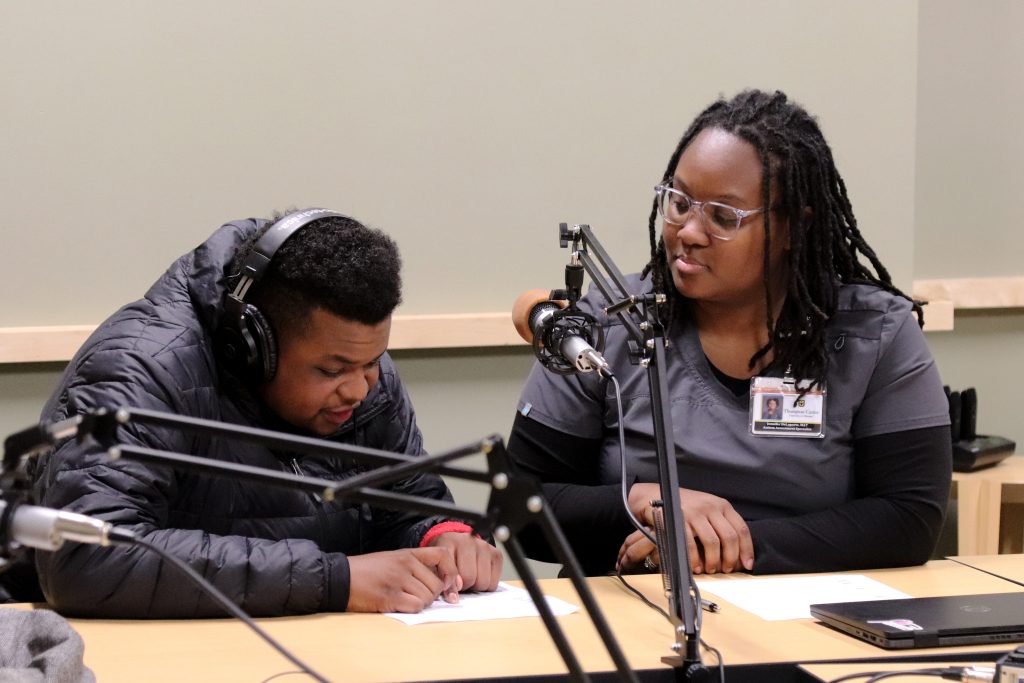
Jordan Mayes (left) and Jennifer DeLaporte (right) recording an episode of the Thompson Center’s podcast, Supporting The Spectrum.
Taylor Wainscott (right) interviews Matthew Leach (left) and his sister Miss Missouri 2023 Hayley Leach (center) about supporting siblings with autism for an episode of Supporting The Spectrum.

Not only did this program impact Jordan and Taylor, Jennifer also mentioned the impact the participants have had on the Thompson Center during their time working here. “We are an autism center and so I expect for us to be inclusive,” said Jennifer, “but to see that take place has been really amazing.” Working with Jordan and Taylor has helped the Thompson Center to be an even more inclusive workplace.

Local Impact Grant

The grant from Autism Speaks will allow the ACE program to purchase iPads that will be used to develop technology skills and implement video modeling to teach helpful skills. This semester, the grant provided a stipend for Jordan and Taylor for their work that they did at the Thompson Center as part of the ACE program. This grant was also used to fund pre- and post-assessments of ACE to monitor progress, as well as provide a budget for events and speakers for the program. And finally, this grant will be able to help any applicants who may need financial assistance to participate next year.

“Autism Speaks sought to fund programs that would ‘provide a measurable impact on the lives of those who participate.’ Being employed is a major factor in adult quality of life, and research estimates that only 10-50% of autistic adults are employed,” said Katie Lynn, former director of donor relations at the Thompson Foundation. “ACE allows individuals with both autism and intellectual disability to gain employment skills with specialized training to meet their needs and support their goals. Through ACE, participants will be well-equipped for competitive employment through hands-on training and direct skill instruction, which should improve their quality of life.”

Parents of ACE participants share their perspectives on the program’s impact at the spring 2024 Thompson Foundation board meeting.

Another Local Impact Grant Awarded in Columbia

Out of the 23 organizations across the U.S., two organizations in Columbia, Missouri were chosen to receive this grant from Autism Speaks. Cedar Creek Therapeutic Riding Center was also a recipient. Cedar Creek has been providing equine therapy to children with autism for 36 years. “We have seen our riders improve cognitive functioning and reach goals that change the quality of their life,” said Karen Grindler, the executive director of Cedar Creek. “We are grateful to Autism Speaks for providing equestrian therapy for our riders in need.” With this grant Cedar Creek is able to provide scholarships to individuals with autism who do not have the funding available from other sources. 

2024-2025 ACE Cohort

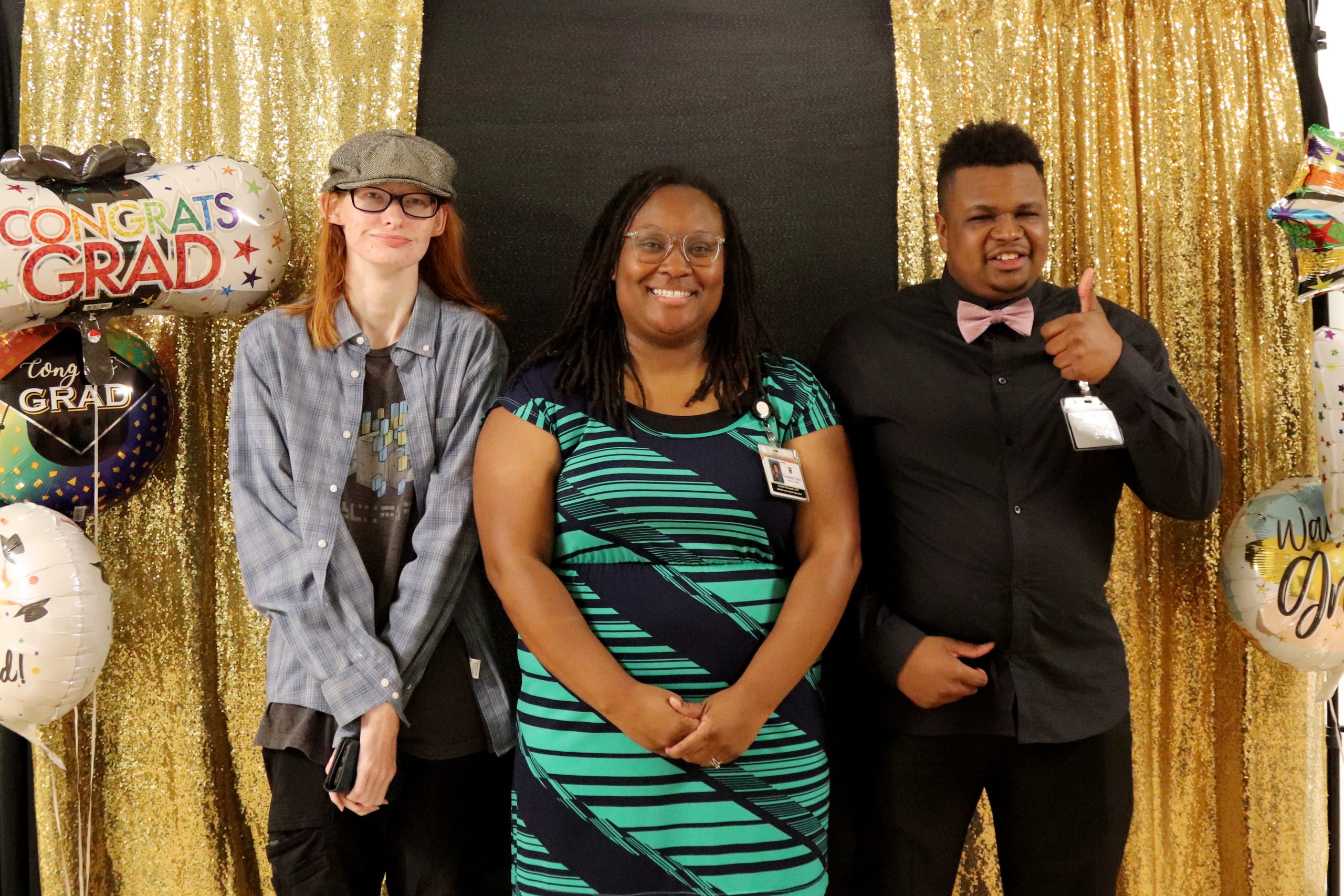
Congratulations to Jordan and Taylor, who graduated from ACE on Friday, May 10, 2024!

As the 2023-2024 ACE cohort celebrates completion of the program, applications are available for the cohort set to begin Fall 2024. Learn more about how to apply on the ACE webpage of the Thompson Center website.

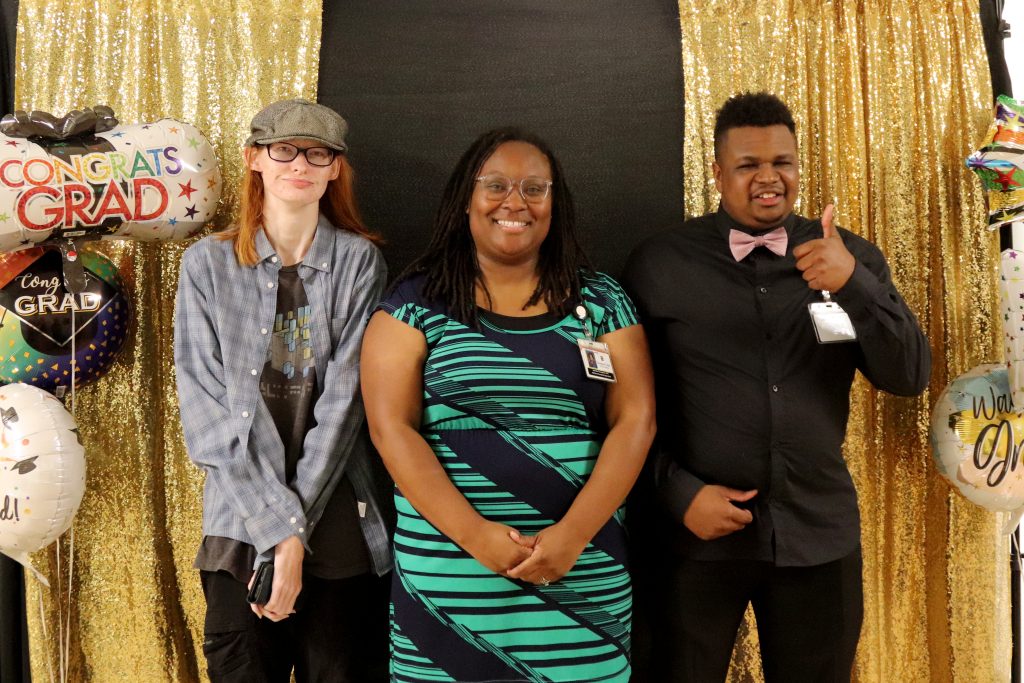
ACE participants Taylor (left) and Jordan (right) with program coordinator Jennifer DeLaporte (center) at the ACE graduation, May 10, 2024.

Meet Our New Director: Dr. Connie Brooks

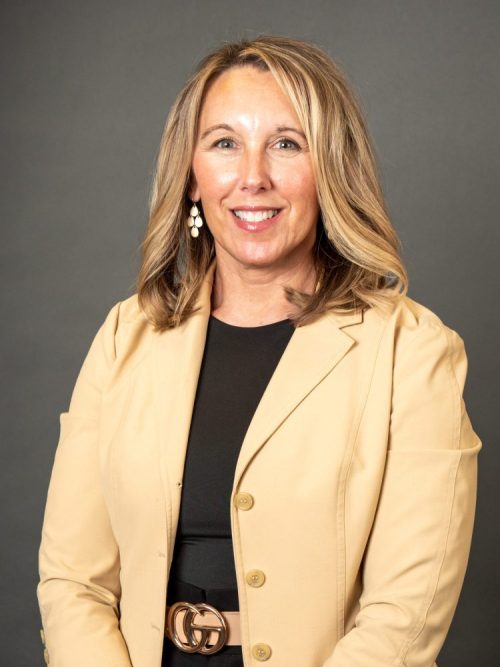
Last week, Dr. Connie Brooks was appointed the new executive director of the Thompson Center for Autism & Neurodevelopment. She takes over for Dr. Stephen Sheinkopf, who will continue as a valued member of the Thompson Center team as he returns his focus to his research projects. Dr. Brooks has been an integral part of the Thompson Center since she joined in 2015 and then became a member of the executive leadership team in 2020. Get to know Dr. Brooks below as she discusses her background, her passions, and her vision for the future of the Thompson Center.

Tell us a little bit about your academic and professional background.

I’ve been a Mizzou tiger since my undergraduate studies and received my Ph.D. in 2007. My internship, postdoctoral residency, and first faculty position were with the Assessment and Consultation Clinic at MU where I specialized in trauma, the foster care system, psychological evaluations, and clinical supervision. In 2015, I transitioned to the Department of Health Psychology and the Thompson Center as the Health Professions Division Director and a few years later became the Director of the Missouri LEND program, TIPS for Kids. In 2019, I was honored to be part of the interim Executive Leadership team, alongside Dr. Ben Black and Abby Powell, when our former Executive Director, Dr. Steve Kanne, took a position in New York.

How did you become involved in the field of autism and neurodevelopment?

It’s a funny story, actually. Several years ago, Dr. Kanne asked me to present to the Thompson Center on working with foster children, due to my expertise in that area. Following that lunch talk, he asked me if I’d considered working with children with autism. I told him that neurodevelopmental concerns seemed complicated and that I wasn’t sure I was up for it, but he easily convinced me to come shadow at the center. After shadowing a few clinics, I fell in love—with these patients, with their families, and with the Thompson Center and its people. Shortly thereafter, I accepted a part-time position to see patients, put in many hours of training and learning about autism and neurodevelopmental disorders, and was hired for a full-time position shortly thereafter. Now I can’t imagine doing anything else.

What are you most passionate about at the Thompson Center?

I’m passionate about quite a few things, so narrowing it down can be tricky. However, I think it’s vital that the Thompson Center continue to be innovative clinical leaders in terms of complex patient needs. Our focus in this area is reflected in our launch of several specialty clinics including the Foster Care Autism Diagnostic Clinic, Rare Disease Clinic, and the Multilingual/Lingually-Diverse Autism Diagnostic Clinic. We’re also piloting a program with collaboration between our medical and applied behavior analysis (ABA) teams, using precision medicine strategies with patients in our Severe Behavior Clinic. Additionally, we continue to expand and strengthen our long-standing multi-disciplinary medical clinics (Cerebral Palsy Clinic, Down Syndrome Clinic, and NICU Follow-Up Clinic) which allow families a “one-stop shop” to see many medical specialists for their child in one day and in one place.

When I think about training at the Thompson Center, I honestly think it is one of the most underrated areas of our work. Throughout the center, we provide training to students at all levels, ranging from undergraduate through fellowship, in a wide variety of disciplines, and in clinical service and research. There simply aren’t enough clinical providers with expertise in pediatrics or in neurodevelopmental disorders, so we intend to grow the next generation of providers through our clinical training and through programs such as the MO LEND program, TIPS for Kids. It’s clear we’re making a dent as just last year we provided clinical training to more than 90 students!

Additionally, I’d like to highlight our Training Core who provides free professional webinars, in-school consultation, caregiver/patient modules, Autism Friendly Business training, and our annual conferences for professionals and for parents. My current favorite program provided by the Training Core is the ACE program: Accessing Career Experiences. This post-secondary employment program is for individuals with autism and an intellectual developmental disability and was piloted this past year with great success! ACE is the sister program to STRIVE (Self-Determined Transition Readiness Through Individual Vocational Experiences) which focuses on employment and life skills development for adults with autism. Both programs are accepting applications, by the way!

Frankly, research at the Thompson Center is mind-blowing. Not only do we have an amazing Research Core team which supports internal and external research partners with their expertise, we are running clinical trials, patient-centered projects, and genetic analyses. One of the most impressive components of our research is cross-collaboration; we are proud to partner across disciplines, across departments, and across the nation and the world. Equally important is our value of including self-advocate and family-advocate voices in our research projects and we’re pleased to be establishing more structures toward that purpose.

What has been your favorite thing about working at the Thompson Center?

Finally, an easy question to answer! It’s the people, without a doubt. I love working alongside our Thompson Center team, I love our patients and their families, and I love our collaborative partners. Every day is challenging but we’ve all got the same goal—to help our patients be their best. I feel so fortunate to work with a team that feels the same that I do about the families we serve. We get to make a difference in the world, and we get to do it together.

What are your top priorities for the Thompson Center moving forward?

Our highest priority is two-fold. First, our goal is to recruit more staff and faculty as we prepare to open our new building, balanced with retention of our current staff and faculty who are already making an impact. Additionally, it’s no secret that our diagnostic waitlists are long, like so many autism centers around the nation. Revamping our diagnostic processes, and expanding our wraparound services and training, is vital for our success. Moreover, we need to continue on our path of integrating our work in all three areas of focus—clinical care, training, and research—as we innovate and expand. We want the Thompson Center to be THE place where families want to be seen, students want to be trained, and researchers want to explore.

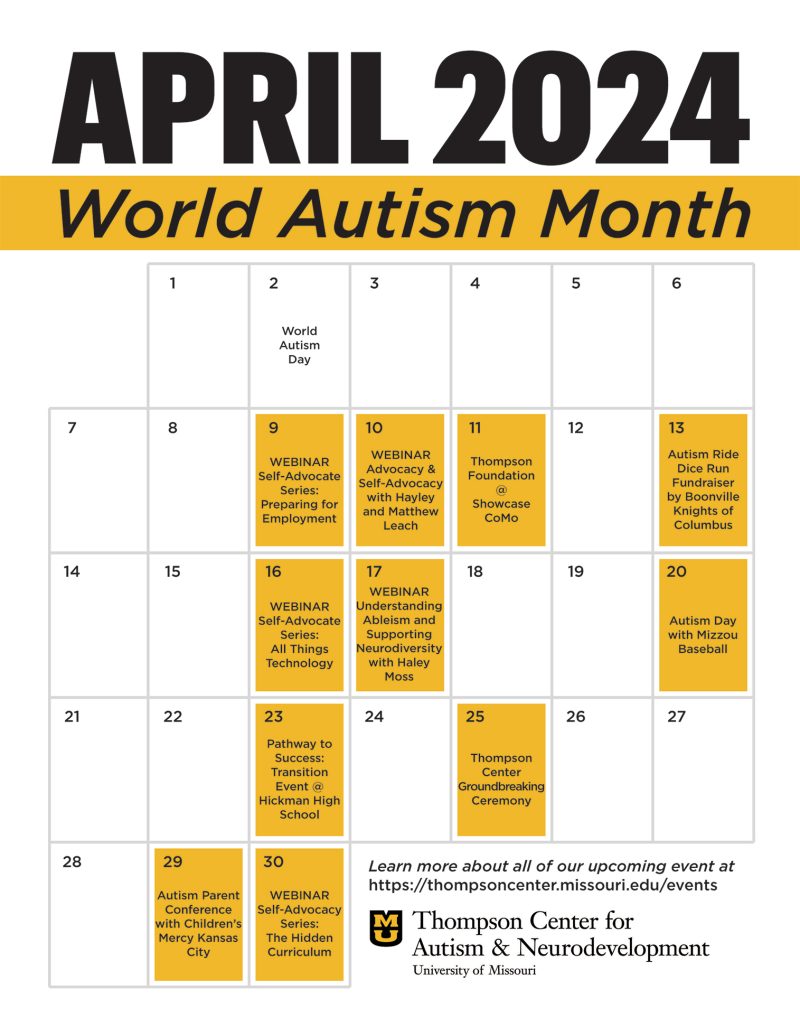
April Events Calendar

April is World Autism Month and the Thompson Center has lots of events planned to celebrate! Keep track of all of our World Autism Month activities for patients, families, and our community with our April calendar.

Click here for a printable PDF

Thompson Center World Autism Month events:

Click here to browse all upcoming Thompson Center events

Celebrating National Rare Disease Day at the Thompson Center

This week, the Thompson Center is observing National Rare Disease Day! To honor Rare Disease Day, we would like to highlight the Thompson Center’s Rare Disease Clinic and the individuals with rare diseases and their families.

The Orphan Drug Act defines a rare disease as a disease that affects less than 200,000 people in the United States. The Thompson Center’s MU Child Neurologic Rare Disease Clinic is specifically focused on serving patients who have neurodevelopmental conditions associated with neurological conditions. Many of the patients seen at the clinic have specific genetic differences associated with those conditions. The goal of the Rare Disease Clinic at the Thompson Center is to provide comprehensive, multidisciplinary care for patients with complex clinical presentations. Most of the patients in the Rare Disease Clinic are seen by a developmental-behavioral pediatrician, a child neurologist, a genetic counselor, and a social worker. This team-based approach to the clinic allows for the diagnostic and treatment plan discussion to be streamlined and minimizes travel and time spent in individual appointments for the families. 

An example of a rare disease that you may be familiar with is Angelman Syndrome. This is a rare neuro-genetic disorder that affects the 15th chromosome from the mother. This disorder occurs in 500,000 people worldwide or 1 in every 15,000 births. Some common characteristics and symptoms of this disorder are walking and balance disorders, gastrointestinal issues, seizures, and little to no speech. Individuals with this disorder are also often characterized as happy, smiley, and often excitable. This is just one example of many known rare diseases that affect between 25 and 30 million Americans.

We would like to highlight one of the families that is part of our Rare Disease Clinic, John Irvin and his grandmother Delinda Irvin. They started coming to the Rare Disease Clinic in 2022 after a recommendation from Dr. Liu Zhao at the Pediatric and Adolescent Specialty Clinic. Delinda said that she felt overwhelmed by all of the medical information she was receiving and wasn’t sure what to do. After John’s first visit with the Rare Disease Clinic, she could feel the support from the Thompson Center staff and especially from Developmental-Behavioral Pediatrics fellow, Dr. Katie Blount. She felt heard and seen and was given direction on next steps for their family. Delinda says that since they have been coming to the Rare Disease Clinic, John has been able to walk better, not wear his leg braces, and is able to understand things better. This is just one of the wonderful families that the Rare Disease Clinic at the Thompson Center has an impact on.

The Rare Disease Clinic is an important service provided at the Thompson Center and reflects the three main areas of our mission: clinical care, research, and education. Thompson Center Director of Medical Services Dr. Benjamin Black says that this clinic “allows our core Thompson Center team to collaborate directly with other providers, thereby expanding our clinic impact. Having this type of clinic also opens up more opportunities for us from a research perspective.” Not only does this clinic provide care for families, but it also provides training experience for our trainees in many disciplines, including fellows in developmental-behavioral pediatrics, medical students, pediatric residents, psychology trainees, and many more. “We’ve all learned a lot through our clinical care in the Rare Disease Clinic, and that helps us all become better at what we do,” said Dr. Black.

Thompson Center Trainers Travel to D.C., Hawaii

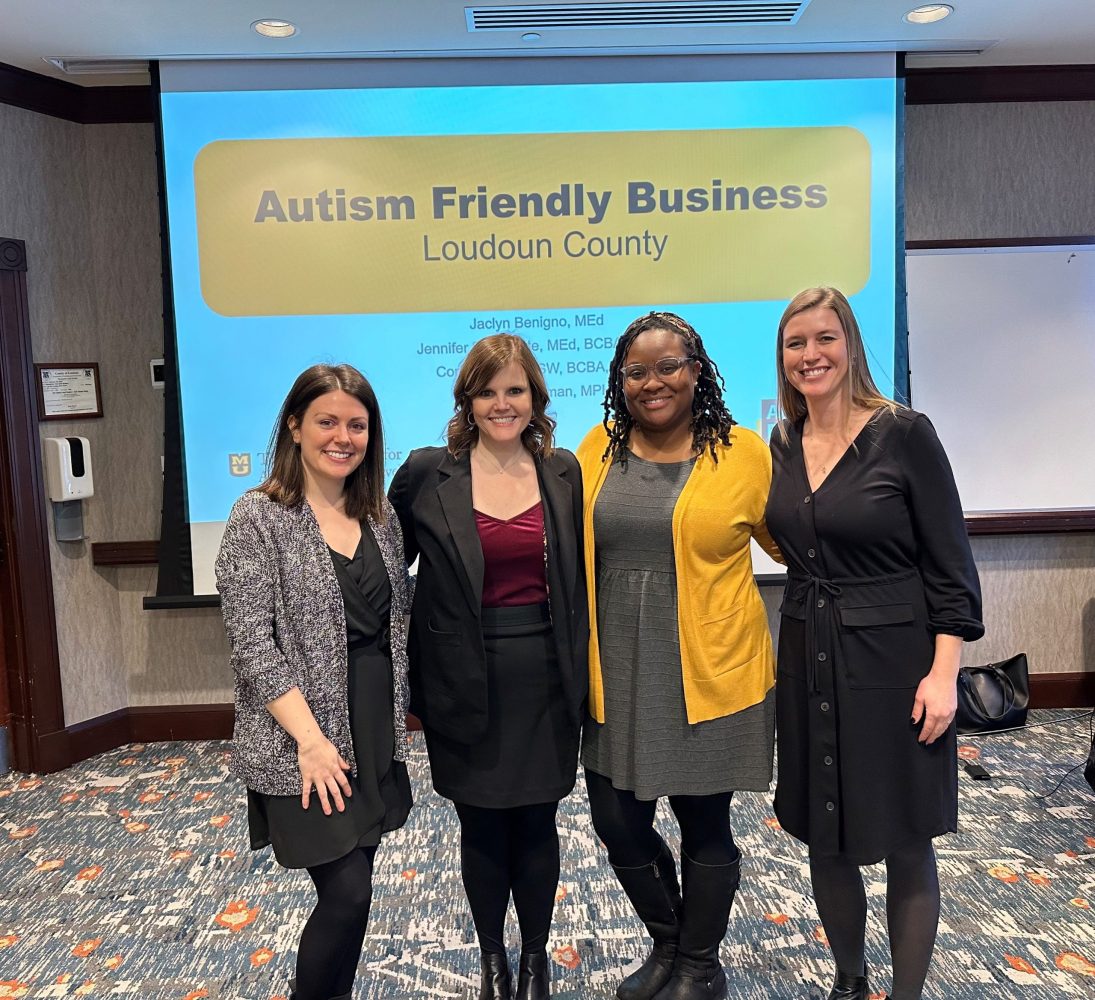
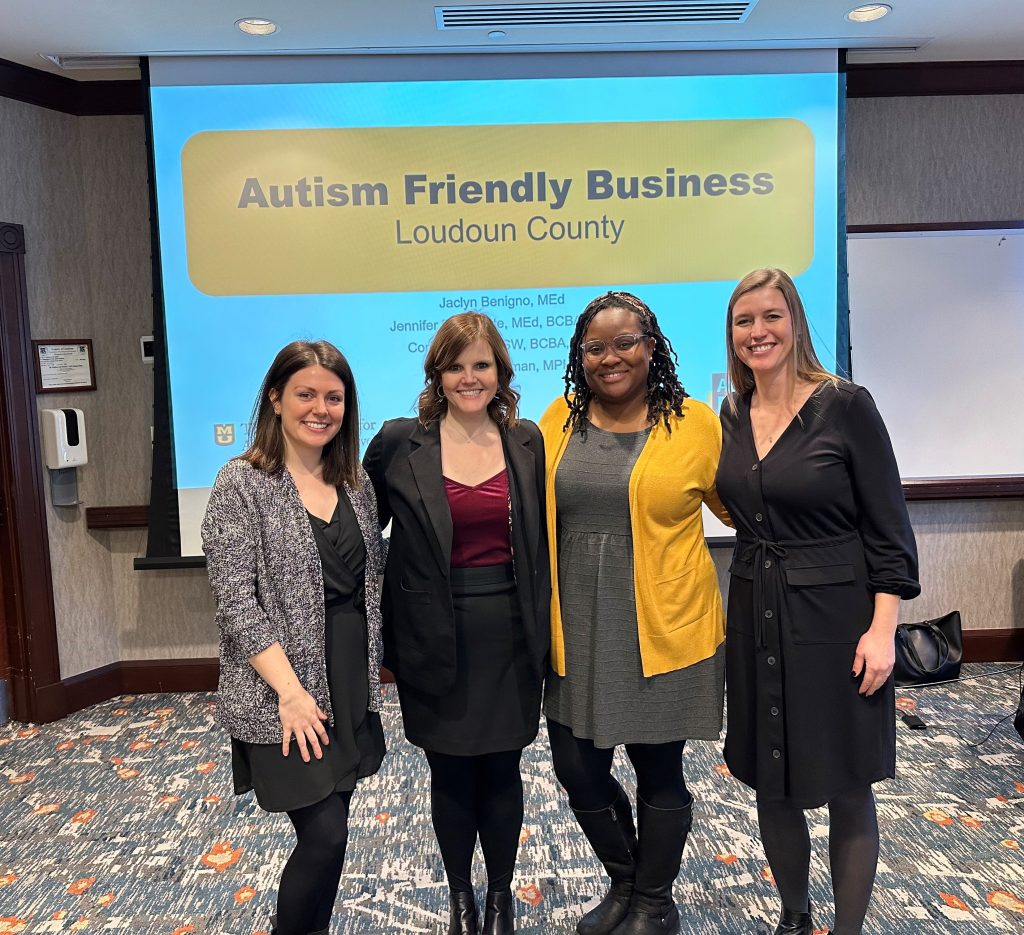
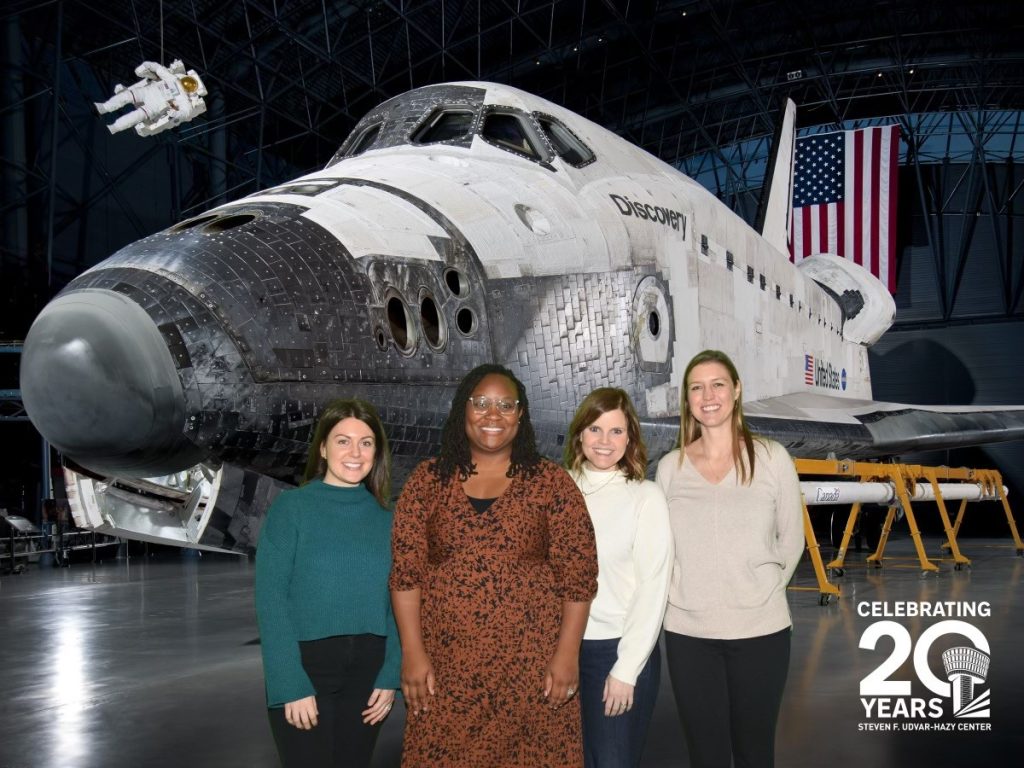
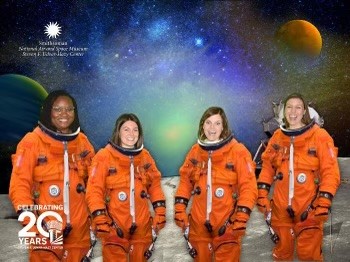
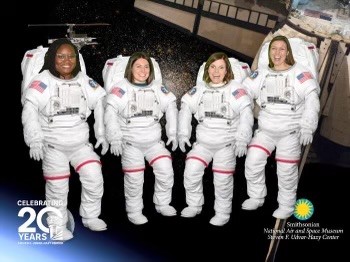
Several Thompson Center Training Core team members spent January on-the-go. To kick off 2024, Thompson Center Training Core Director Cortney Fish, Autism Training Specialists Jaclyn Benigno and Julie Muckerman, and Behavior Analyst Jennifer DeLaporte traveled to Washington, D.C. where they trained 20 businesses in Loudoun County as part of the Autism Friendly Business program. This initiative provides training for businesses so that all families in their community can feel welcomed and supported. The Thompson Center did its first training for businesses in Loudoun County back in 2015. One of the businesses they did the training for this year was the Smithsonian’s National Air and Space Museum. Check out the out-of-this-world photos they took while they were at the museum!

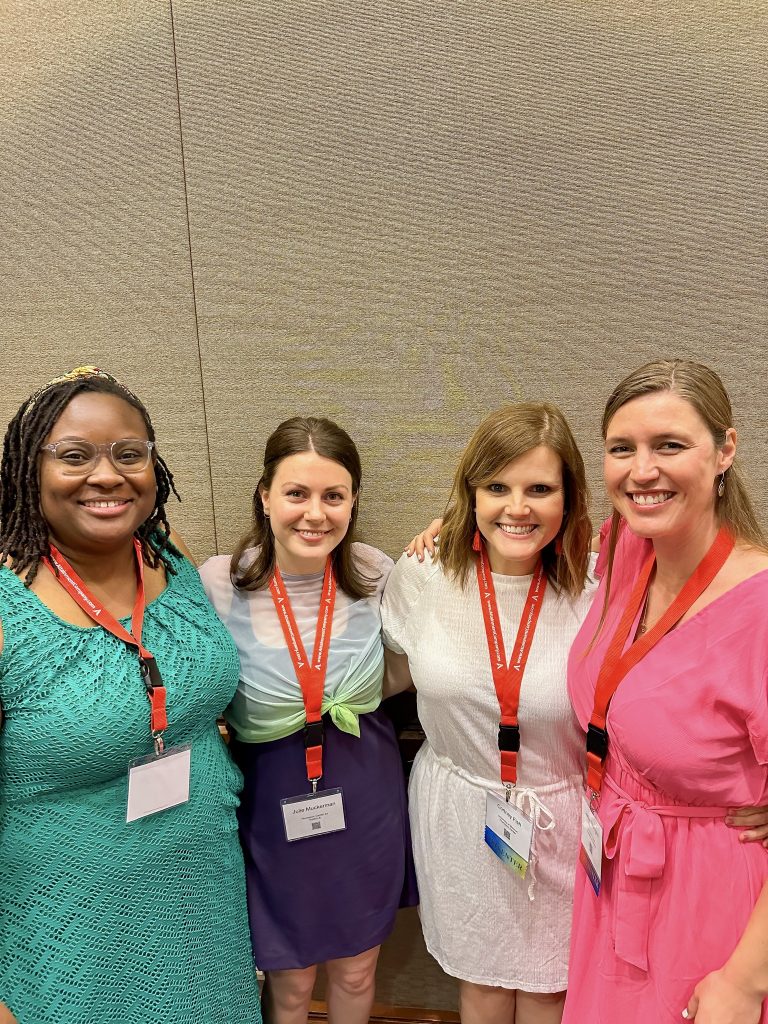
The following week, the four Training Core staff members joined Thompson Center Speech-Language Pathologist Michelle Dampf in Honolulu, Hawaii for the 25th International Conference on Autism, Intellectual Disability & Developmental Disabilities. The conference featured the most current research and practice recommendations related to improving educational outcomes for individuals with autism and intellectual and developmental disabilities. This year’s focus was on diversity, equity, inclusion, and justice with more than 400 interactive lectures, panels, roundtables, poster presentations, networking socials, and so much more to participate in.

Several of the Thompson Center representatives presented their research at this conference as well. Michelle and Mizzou faculty member Dr. Jena Randolph presented on effective speech-generating device use and autism spectrum disorder. Through their research, they gained insight into the barriers that professionals face when teaching children with complex communication needs. Overall, Michelle said that she was impressed with the quantity and quality of information provided at the conference to help improve her professional knowledge.  

Cortney and Jaclyn presented Striving For Tomorrow: Transition to Employment for Students with Autism. The presentation was about STRIVE, a post-secondary education and independence program tailored for 18- to 30-year-olds with autism or similar diagnoses. Jennifer and Julie attended the conference for professional development opportunities.

Autism Training Specialist Received MU Staff Advisory Council Award

Congratulations to Thompson Center Autism Training Specialist Julie Muckerman on receiving the MU Staff Advisory Council Spring 2024 Education Award! The intention of this award is to assist staff members’ personal and professional development by providing funding for classes and courses of higher education.
Muckerman is enrolled in the Post-Baccalaureate Communication Sciences and Disorders program at the University of Wisconsin – Eau Claire. This program is tailored for those aiming to become licensed speech-language pathologists with a non-related undergraduate background. With this award, Muckerman will receive funding to participate in a course about sign language this spring. She is passionate about accessible and varied forms of communication for autistic individuals. Through her experience at the Thompson Center, she has learned the importance of adapting her communication style to provide better support for these individuals.